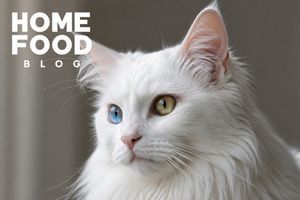
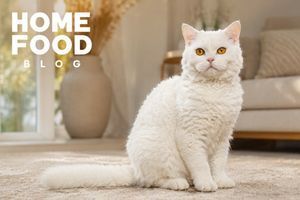
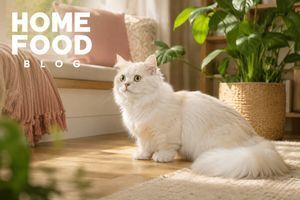
The chinchilla is not a separate independent breed, but a very rare type of coat color. Breeders first fixed this effect in Persian cats, obtaining snow-white fur with a dark tipping on the ends. The animal has a phlegmatic temperament, making it an ideal fit for a quiet city apartment.
Brief characteristics of the breed
| Country of origin | Great Britain |
| Time of origin | 19th century (1894) |
| Weight | 3.5–7 kg |
| Height | Up to 30 cm |
| Lifespan | 12–17 years |
| Coat type | Long, dense, with a thick undercoat |
| Color | White with dark tipping (1/8 of the hair length) |
| Eye color | Emerald green, with a black rim |
| Temperament | Calm, balanced, observant of the owner |
| Coat care | Daily grooming |
History of origin
The breeding of Persian chinchillas began in Great Britain in the late 19th century by crossing silver tabbies and smoke Persians (the founding cat was Silver Lambkin, 1882). In 1894, at an exhibition at London's Crystal Palace, the coat color was officially recognized as a separate class. This is the first case in the history of felinology where a color coat was created through targeted artificial selection and later fixed in the CFA and FIFe standards.
The chinchilla phenotype (color code 12) is determined by the dominant silver inhibitor gene (I, Inhibitor). It suppresses pigment synthesis in the undercoat, making it snow-white. Dark eumelanin is deposited only on the tip of the guard hair, taking up to 1/8 of its length (tipping). Later, this type of color was transferred to the British (BRI ns 12) and Scottish breeds.
Appearance features
According to felinological organization standards, the Persian chinchilla has a brachycephalic skull structure with a massive bone frame and a cobby body. The head is round, with pronounced cheek pouches, a broad domed forehead, and a stop (a sharp transition from forehead to nose). The upper edge of the nose leather is located strictly no higher than the lower eyelid line. The paws are short, powerful, with dense round tufts of hair between the toes.
The main sign of breed quality is the depth and purity of the coat color. The green color of the iris is just as important as the uniformity of the tipping on the fur. Any yellow or copper flecks in the eyes are considered a disqualifying trait at shows.
The base layer of coat and the undercoat are pure white without yellowish or rufous tones. Dark pigment (black or deep dark gray) covers strictly 1/8 of the guard hair length on the back, sides, head, and tail. The outline of the nose leather, lips, and eyelids has a distinct black pigmentation resembling an eyeliner mark. The chin, chest, belly, and inner surface of the legs remain pure white, without tipping.
The length of the guard hair can reach 15 centimeters, and a plush ruff forms around the chest. The tail is short, heavily bushed, without kinks or vertebral deformities.


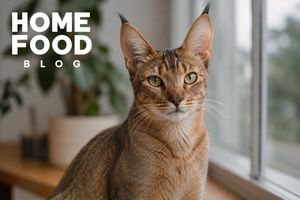
A silver tipped coat and emerald eyes are the Chinchilla’s crowning glory
Temperament and behavior
Unlike other long-haired relatives, this cat shows more interest in its surroundings. It enjoys observing household members from a safe height, but avoids intrusive behavior. The pet will not jump on high furniture, damage curtains, or dig up soil in flower pots. Chinchillas are very quiet; they rarely vocalize and communicate with soft purring. They become attached to their owner, but comfortably tolerate short-term loneliness.
Health and anatomical issues
The specific skull structure of the Persian group creates certain health risks. Due to the shortened muzzle and flat profile, jaw deformities are possible, leading to tooth and gum diseases. Narrowed nostrils and an elongated soft palate sometimes cause breathing difficulties. Cats frequently experience wet facial fur due to poor tear drainage. If the area around the eyes is not cleaned daily, skin irritation develops.
Common genetic pathologies include retinal atrophy and polycystic kidney disease. Kidney disease is inherited and leads to the formation of cysts. Responsible breeders perform mandatory DNA screening prior to breeding.
Diet
Due to a predisposition to physical inactivity and fat accumulation, chinchillas require a strictly regulated diet with a controlled level of metabolizable energy. The optimal level of animal protein should be at least 32–35%, with fat levels between 14–16%. The diet must include essential Omega-3 (EPA/DHA) and Omega-6 fatty acids to support the skin's lipid barrier and undercoat structure.
To prevent the formation of hairballs in the gastrointestinal tract (trichobezoars), indigestible fiber (beet pulp, psyllium) is introduced into the diet at a volume of 5–6%. Jaw anatomy requires the use of specially shaped and sized kibbles that are easy for the cat to grasp with flat lips.
It is important to monitor the mineral balance (calcium to phosphorus ratio of 1.2:1) to avoid triggering urolithiasis (urate or oxalate type). Drinking water should be served via fountain filters to encourage the drinking instinct.


HOME FOOD Grain-free hypoallergenic — dry food for spayed/neutered cats, duck and pear
Buy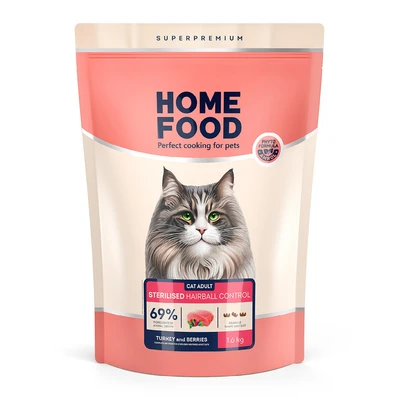
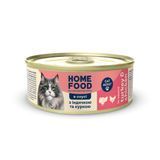
HOME FOOD Hairball control — dry food for hairball control, turkey and berries
Buy
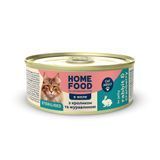
HOME FOOD For sterilised/neutered — dry food for sterilised/neutered adult cats, rabbit and cranberry
Buy
Fitomin for cats "Omega Balance" oil Omega-3, -6, -9 balance, 100 ml
Buy
Grooming rules and hygiene
Chinchilla care requires consistency, as long fur quickly forms mats. Daily hygiene procedures prevent skin issues and maintain a neat appearance. The pet should be combed with a metal comb with rounded teeth.
Bathe the cat using specialized shampoos for white coats, avoiding water getting into the ears. After washing, the undercoat must be thoroughly blow-dried on a low temperature, as damp fur leads to hypothermia. For eye care, use clean cotton pads and a specialized lotion.
Main procedures:
- Combing the coat on the belly, paws, and behind the ears daily.
- Wiping the eyes with an alcohol-free solution every morning and evening.
- Brushing teeth with specialized toothpaste at least once a week.
- Trimming claws by 1–2 millimeters every three weeks.
With good care, proper nutrition, and attention, a chinchilla lives up to 17 years. It will become a quiet, loyal, and strikingly beautiful companion.

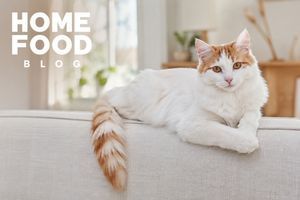
A luxurious long coat needs daily care