The Chartreux cat is considered one of the most striking European breeds, preserving its original appearance through the centuries. These animals combine a distinctive plush look, an independent character, and remarkable devotion to humans. French aristocrats valued them for their quiet demeanor and superb hunting skills.
Brief characteristics of the breed
| Country of origin | France |
| Weight | Females 3-5 kg, adult males 6-7 kg |
| Coat | Short or medium, with a double water-repellent structure |
| Color | All solid shades of blue-gray, from ash to slate |
| Eye color | From deep amber and copper to rich gold |
| Lifespan | 12-15 years |
| Activity level | Moderate, with short bursts of hunting enthusiasm |
| Grooming difficulty | Minimal, regular brushing 1-2 times a week |
History of origin
The exact origins of these cats are veiled in history. There is a common belief that the ancestors of the Chartreux were brought to France from the Middle East by seafarers as far back as the Crusades. Finding themselves in the monasteries of the Carthusian Order, the animals quickly found their calling. They protected monastic food stores from rodents without interfering with the monks' strict vow of silence.
By the beginning of the twentieth century, the breed was on the verge of extinction due to military operations and the decline of catteries. It was only thanks to the enthusiasm of French felinologists that the pure line was restored. Breeders strictly selected the remaining individuals with the correct coat type and expressive amber eyes.
Later, these cats were often crossbred with British Shorthairs to strengthen their skeletal structure. This almost led to the loss of the Chartreux's unique traits. International felinological organizations separated the breeds in time and established a distinct standard for the French line.
Physical characteristics
The Chartreux is distinguished by a robust, muscular build despite a relatively compact size. Experienced breeders playfully refer to this body structure as a "potato on toothpicks." The reason for this is their short, slender legs supporting a heavy torso with a broad chest.
The head is shaped like an inverted trapezoid with soft contours. Prominent cheeks create the illusion of a perpetual smile on the face. The nose is straight, without a harsh break, with gray nose leather.
The Chartreux's coat is double-layered and exceptionally dense. A thick undercoat makes it practically water-resistant, protecting the cat in inclement weather. The texture of the guard hairs is slightly silky, but not woolly.
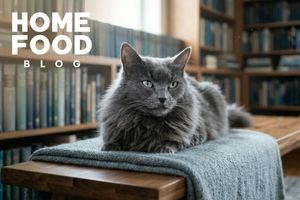
The color comes in only one variety - blue-gray. Shades can range from light ash to deep slate. The primary requirement of the standard is uniformity of tone throughout the pet's body.
The main features of the face remain the round, closely set eyes. Their color ranges from deep yellow to dark amber. Green or gray shades of the iris are considered serious faults.
The ears are set high, slightly rounded at the tips, and tilted forward. They give the cat an alert and engaged expression. The tail is medium in length, thick at the base, and gradually tapering to the tip.


A blue-grey coat and amber eyes make the Chartreux instantly recognisable
Differences from the British Shorthair
Uninitiated observers often confuse the Chartreux cat with the British Blue. A certain visual resemblance indeed exists due to a similar coat color and sturdy build. However, a closer look reveals a number of fundamental anatomical differences.
Experts highlight key indicators that help instantly recognize the French breed:
- The Chartreux skull is trapezoidal, whereas the British Shorthair skull is distinctly round.
- The ears are set higher and straighter, without tilting sideways.
- The Chartreux coat is slightly coarser and breaks into layers, lacking a purely plush texture.
- The legs appear noticeably slimmer and more delicate against the massive, deep chest.
- The chin and whisker pads form the subtle contour of the famous light smile.
These differences are clearly noticeable in the pet's dynamic movements. The Chartreux moves with greater grace and agility, displaying remarkable flexibility.
Temperament and behavior
They are distinguished by exceptional calm and gentle nature. They rarely make noise, preferring a quiet, purring whisper to loud meowing. This trait was inherited from their monastic ancestors who were accustomed to silence.
These pets bond deeply with their owners, yet they are never pushy or needy. The cat prefers to stay nearby in the room, comfortably settled on an armchair. They easily tolerate their owner's workday and are not inclined to damage household items out of boredom.
Their calm nature exists alongside the rapid reflexes of a professional mouser. A Chartreux can spend hours lazily watching a fly and then execute a single precise, decisive pounce. In play, they show tactical calculation, preferring short but intense sessions.
Toward strangers in the home, the Chartreux shows no fear, maintaining a respectful distance. The animal will calmly observe a guest from afar while retaining its dignity. They need a little time to feel confident in your friendliness before coming forward to interact.
Relationships with other animals
They get along well with feline companions and friendly dogs without any issues. The Chartreux is not inclined to fight for dominance in the household, preferring neutrality. They know how to keep their distance and avoid unnecessary territorial disputes.
However, small domestic pets remain at constant risk:
- hamsters, guinea pigs, and rats are viewed by the cat as direct prey;
- parrots and canaries trigger an immediate surge of hunting instinct;
- aquarium inhabitants require a sturdy, secure cover.
It is impossible to train out or suppress this instinct. Centuries of hunting experience are embedded at the genetic level. Therefore, the best solution is to prevent any direct contact between the cat and small rodents or birds.
Care and maintenance
Grooming the Chartreux coat will not cause much trouble for the owner. Their fur does not mat into tangles thanks to the special structure of the guard hair. To maintain a neat appearance, it is sufficient to comb the pet with a natural bristle brush once a week.
During seasonal shedding, slightly more time will need to be devoted to grooming. In spring and autumn, dead undercoat comes off very intensely. A specialized rubber grooming mitt or a furminator for shorthair breeds works well during this time.
Bathing a Chartreux frequently is not recommended. Natural coat oils protect the skin from drying out and repelling dirt. Water procedures are only necessary in cases of heavy soil or before taking part in cat shows.
Attention should be paid to ear hygiene and eye condition. Eyes are wiped with a soft cloth as needed. Claws are trimmed with a special clipper about once a month if the pet does not wear them down enough on a scratching post.
Dental care also plays a critical role in maintaining health. Brushing teeth with cat-formulated toothpaste prevents plaque accumulation. Dental treats and chew toys will help keep gums healthy and toned.
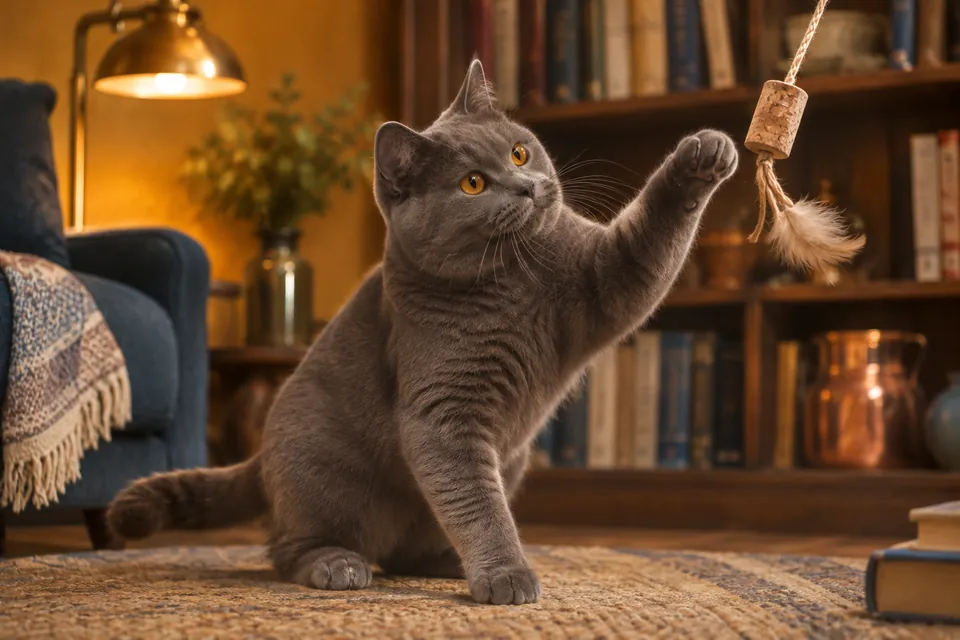
A calm, easy-going friend for those who value a quiet home
Health and diseases
The Chartreux possesses strong immunity and natural endurance. With good care, they rarely get sick and remain active into old age. However, specific genetic predispositions do occur within the breed.
Due to skeletal structure and close tooth placement, Chartreux cats sometimes develop dental crowding. This requires regular checks by a veterinary dentist for timely correction.
In mature age, certain individuals may experience joint issues. Patellar luxation or joint dysplasia requires monitoring the cat's weight. Excess weight places unnecessary stress on the musculoskeletal system.
Routine vaccinations and parasite treatments are essential for health maintenance. Even if the pet does not go outside, worms and fleas can enter the house on footwear. Annual veterinary checkups help detect any changes early on.
Quality care, a balanced diet, and attentive ownership guarantee the cat a long and happy life. The Chartreux will make a loyal, calm, and low-maintenance companion for anyone who values harmony and quiet in the home.


HOME FOOD dry food for musculoskeletal support in adult large-breed cats “Veal with salmon and sun-dried tomatoes”, 1.6 kg
Buy
HOME FOOD dry food for healthy skin and a shiny coat for adult cats Turkey and salmon, 1.6 kg
Buy
HOME FOOD For sterilised/neutered — dry food for sterilised/neutered adult cats, rabbit and cranberry
Buy
Fitomin for cats "Omega Balance" oil Omega-3, -6, -9 balance, 100 ml
Buy