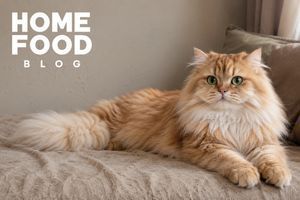
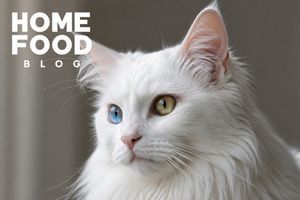
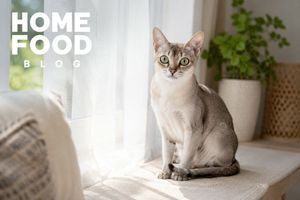
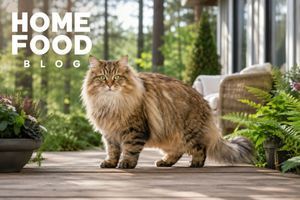
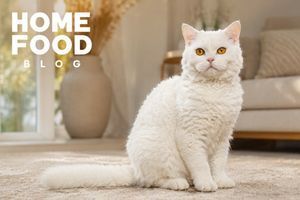
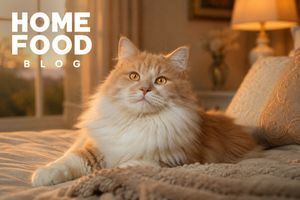
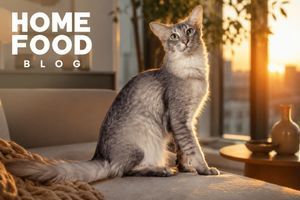
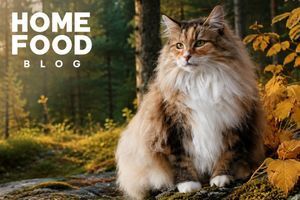
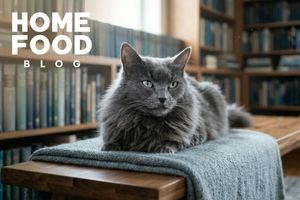
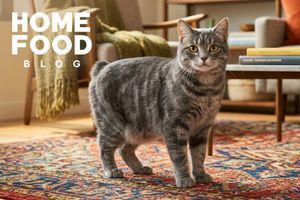
The Highland Fold wins hearts at first sight with its plush appearance and folded ears. Long, silky fur gives them a special charm, while their calm nature makes them ideal family pets. They quickly become full-fledged family members, bringing comfort and warmth to any home.
Breed overview
| Country of origin | Scotland |
| Coat type | Long / semi-long with a dense undercoat |
| Height | 28–32 cm |
| Weight | 5–8 kg |
| Lifespan | 13–16 years |
| Body type | Sturdy, muscular, compact |
| Head shape | Rounded, with a high forehead and prominent cheeks |
| Ear features | Small, wide-set, folded (bent downwards) |
| Eye shape and color | Large, round; color depends on coat color, heterochromia is possible |
| Coat color varieties | Smoke, black, tortoiseshell, tabby, bicolor (except chocolate, lilac, and colorpoint) |
History of origin
The origin of this breed began in Scotland in the early 1960s, thanks to an accidental quirk of nature. It was then that a local farmer noticed a white cat named Susie. She had unusual folded ears, which immediately appealed to him.
Breeders began crossing Susie’s lop-eared offspring with other breeds to fix the trait. Partners were most often found among Persian cats, which affected the shape of the muzzle. The official registration of the new line took place in 1970.
International associations CFA and TICA recognized folded longhair cats in the early 1980s. The standard for the semi-longhair variety was finalized closer to 1992. Since then, the breed’s popularity worldwide has continued to grow.
Appearance
The body is sturdy and compact, with well-developed musculature. The line of the shoulders and pelvis is of equal width, creating a balanced silhouette. The limbs are not overly long, but very strong and proportional.
The head is rounded, with a pronounced chin, a high forehead, and full cheeks. The nose is short, with a noticeably broader bridge. The main breed identifier is small folded ears, which have one to three cartilage folds.
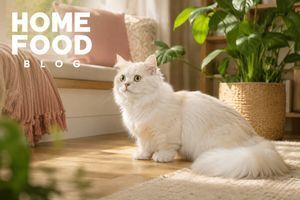
The eyes are large, expressive, and perfectly round in shape. The color of the iris harmonizes with the overall coat color, and heterochromia is occasionally observed. The coat features a dense undercoat, with the longest hair located around the neck and on the hind legs in the form of "breeches."


The Highland Fold wins hearts with its folded ears and luxurious semi-long coat
Temperament and behavior
The key characteristic of the Highland Fold is its boundless affection toward all family members. They happily settle on your lap, purr, and ask for attention. At the same time, these cats remain polite and will never bother you if you are busy.
They treat children with great patience and calm. They easily join in active games and show no aggression. However, young children should be taught right away to treat the animal gently.
Their physical structure influences their activity level. Due to a less developed vestibular apparatus, these cats rarely climb onto high cabinets. They prefer exploring the lower levels of the room and engaging in puzzle games. Any small or hazardous items are best kept far away from their curious noses.
These cats feel wonderful in a large family where someone is always around. They find loneliness difficult, so they should not be left alone for long periods. The presence of other pets usually helps them feel more at ease.
Health and genetic factors
The genetic mutation responsible for the folded ears requires attentive care regarding their health. Representatives of this breed are prone to musculoskeletal issues. In particular, osteochondrodysplasia may develop, causing bone tissue growth around the joints.
As they age, cardiovascular diseases may manifest. Due to the specific structure of the muzzle, some individuals experience brachycephalic syndrome. This can cause breathing difficulties during hot weather or active play.
Routine veterinary visits and a regular vaccination schedule are essential to maintaining a high quality of life. Proper care allows you to prolong the joy of companionship with your pet for many years. Particular attention should be paid to the flexibility of the tail and the mobility of limb joints. Any stiffness in movement should prompt a consultation with a specialist. Early diagnosis helps select supportive therapy and maintain the animal’s comfort.
Grooming and hygiene
The luxurious semi-long coat requires ongoing care and regular grooming routines. Brushing out the undercoat should be done at least once every three days. During seasonal shedding, this procedure should be carried out daily. This is necessary not only for aesthetic reasons, but also for the cat’s digestive health. Hair swallowed during self-grooming can form hairballs and cause intestinal blockages. Bathing should be done as needed or before cat shows using specialized shampoos.
The ear canals require special care due to their folded structure. They should be cleaned with a soft, damp cotton pad about once a week. Using cotton swabs is strictly prohibited to avoid damaging the ear canal.
The eyes are wiped as natural discharge appears. Teeth are brushed with special toothpaste two to three times a week to prevent tartar buildup. To keep claws in good condition, installing a convenient scratching post is sufficient. During the summer period, treating the animal against fleas and ticks is essential.
Additionally, do not forget about the regular hygiene of your pet’s sleeping area. Thick fur can accumulate dust, so bedding should be washed frequently. This helps prevent skin irritations and maintains a neat appearance.
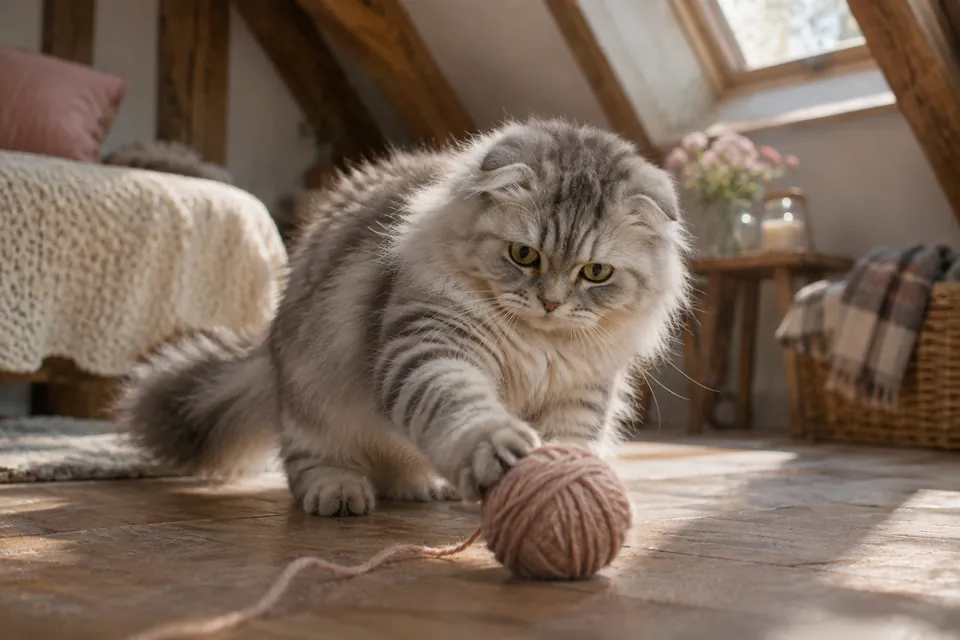
A gentle companion who feels best close to people
Dietary features
Selecting the right menu for a Highland Fold is key to its longevity, mobility, and coat quality. Due to the gene mutation responsible for folded ears, all representatives of the breed have a predisposition to osteochondrodysplasia. Every extra gram of weight places immense physical stress on the already vulnerable cartilage and joints.
The main rule for feeding a Highland Fold is strict calorie control and nutritional support for the musculoskeletal system. Glucosamine and chondroitin must be present in the composition of commercial food or veterinary supplements. They nourish joint fluid and help slow down cartilage breakdown.
No less important are omega-3 and omega-6 fatty acids (EPA and DHA from fish oil), as well as biotin and zinc. These components reduce systemic inflammation in the joints and support a thick undercoat that is prone to matting.
Key guidelines for organizing nutrition:
- Choose professional super-premium food or holistic-grade food formulated with joint supplements and weight control.
- Measure portions strictly using a kitchen scale, as these cats are low-activity and prone to overeating.
- Regularly provide malt paste – hair swallowed during grooming accumulates in the stomach and can cause blockages.
- Ensure unrestricted access to clean drinking water to prevent urolithiasis.
Selecting the right diet is the best investment in the longevity and health of a Highland Fold. Attention to the composition of cat food, weight control, and simple prevention will help your fold pet remain active, beautiful, and a source of joy for years to come.


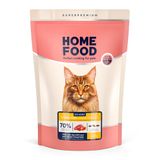
HOME FOOD dry food for adult British and Scottish breed cats “Turkey and duck”, 1.6 kg
Buy
HOME FOOD dry food for musculoskeletal support in adult large-breed cats “Veal with salmon and sun-dried tomatoes”, 1.6 kg
Buy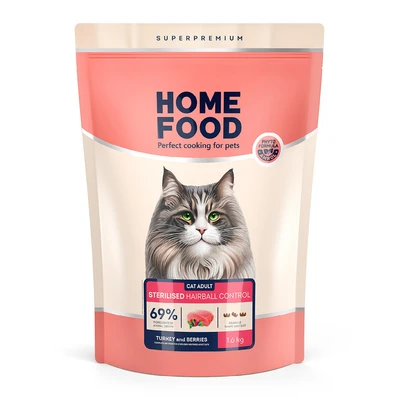
HOME FOOD Hairball control — dry food for hairball control, turkey and berries
Buy
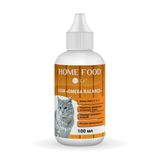
Fitomin for cats "Omega Balance" oil Omega-3, -6, -9 balance, 100 ml
Buy