Large cat and dog breeds look especially impressive, but their size comes with more than just striking beauty — it also brings certain features associated with greater physical strain. One of these is a higher likelihood of musculoskeletal problems, such as relatively rapid joint wear or degenerative conditions. That is why it is worth supporting the joints of these animals in advance, and the best approach is to choose a diet with the amount of glucosamine and chondroitin appropriate for the animal’s needs. In this article, we will help you understand how much chondroprotective support your pet needs and whether there is enough of it in the food.
What are glucosamine and chondroitin?
Glucosamine and chondroitin are natural components of cartilage tissue. In simple terms, glucosamine is a building material for cartilage, while chondroitin is needed for its elasticity and shock-absorbing properties, which are supported by moisture retention.
In general, the body can synthesize these substances on its own, but with age or high physical loads, its own chondroprotective compounds may not be sufficient. In such cases, additional musculoskeletal support should come from supplements or food. It is important to keep in mind that the effect is not immediate and requires time to build up, usually around 4–6 weeks.
Joint wear
A joint works like a shock absorber: cartilage cushions impacts, while synovial fluid ensures smooth movement of the joint surfaces and helps nourish the cartilage.
With age or excessive physical loads, changes may occur in the joints that affect the condition of cartilage tissue and lead to its gradual degeneration.

Chondroprotective compounds, including glucosamine and chondroitin, are used specifically to support the joints
Recommended glucosamine and chondroitin levels in food
Because glucosamine and chondroitin are not essential nutrients, international organizations such as FEDIAF and AAFCO do not set specific minimum levels for these chondroprotective compounds in pet food. However, in veterinary nutrition and among pet food manufacturers, a glucosamine and chondroitin content of 500 to 1,500 mg per kilogram of food may be used as a reference range — an amount that supports daily preventive care for healthy animals.
For animals with existing joint conditions, this amount of chondroprotective compounds may not be sufficient. A veterinarian should determine any additional dose, as individual needs may vary depending on age, species, breed, and other factors.
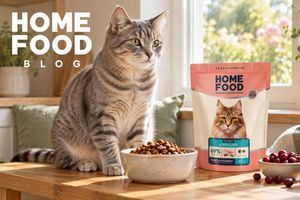
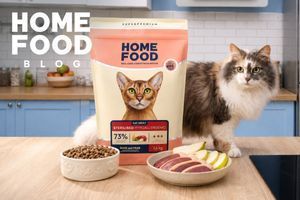
In the HOME FOOD diet for musculoskeletal support in large-breed cats, “Veal with salmon and sun-dried tomatoes,” the total glucosamine content (0.25% = 2,500 mg/kg) and chondroitin content (0.05% = 500 mg/kg) is 3,000 mg/kg. This high concentration of chondroprotective compounds helps maintain cartilage elasticity, supports the quality of joint fluid, and effectively protects joints from the high daily load typical of large cats.
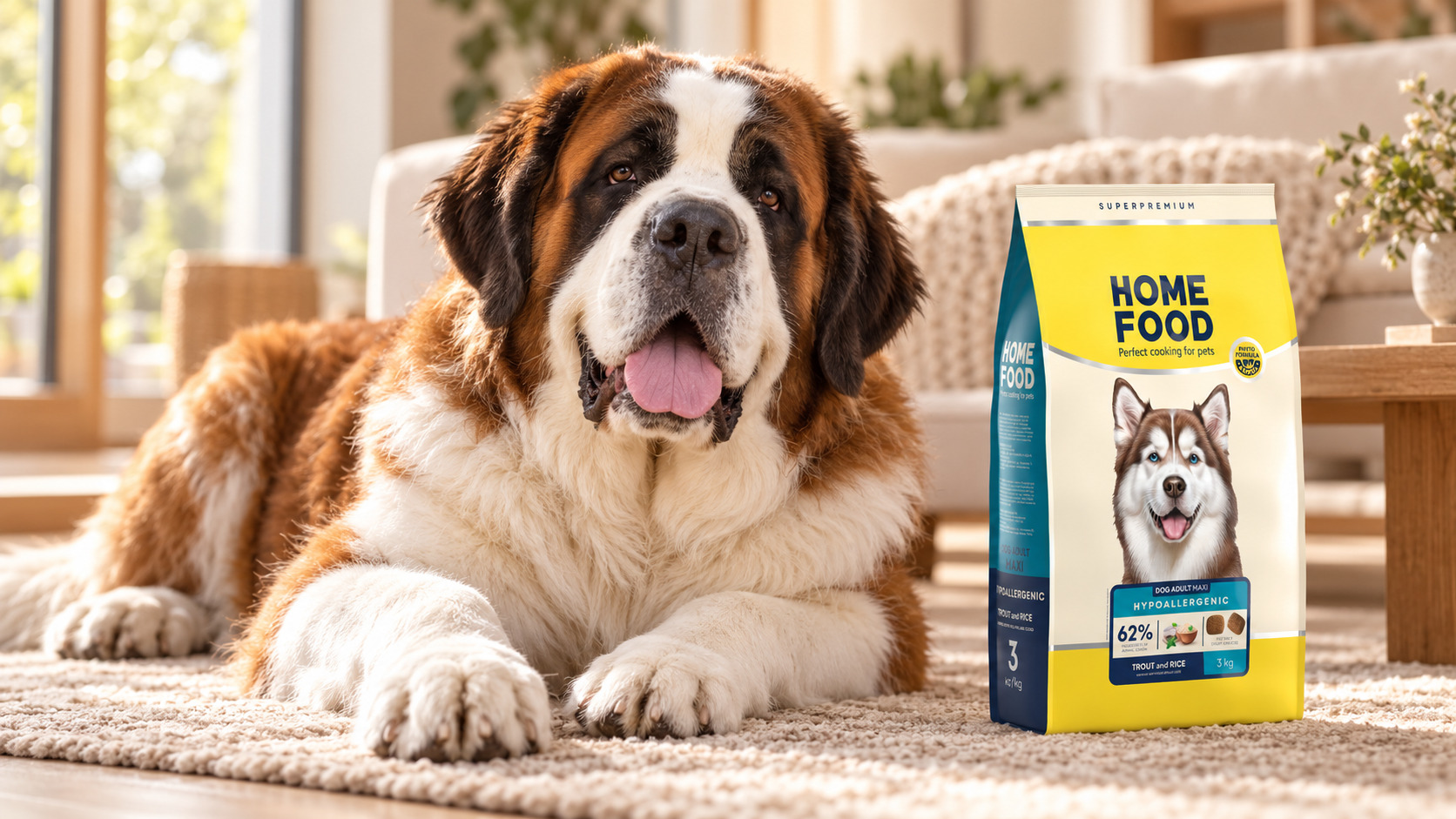
A similar approach to musculoskeletal support is also used in HOME FOOD diets for MAXI breed dogs.

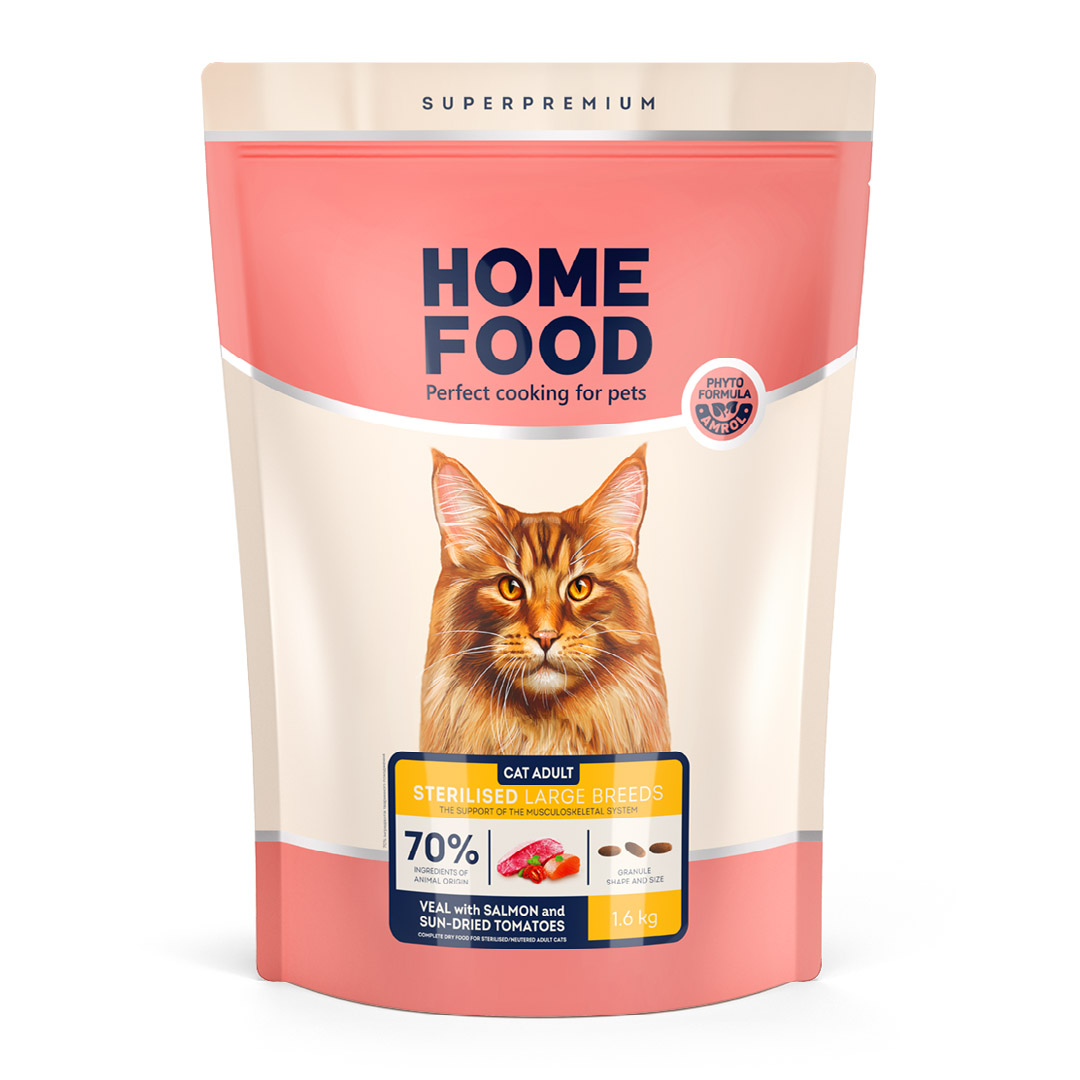
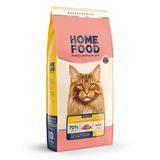
HOME FOOD dry food for musculoskeletal support in adult large-breed cats “Veal with salmon and sun-dried tomatoes”, 1.6 kg
Buy
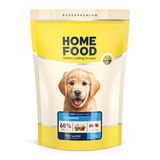
HOME FOOD dry food for active adult and junior dogs of medium and large breeds “Lamb and rice”, 1.6 kg
Buy
HOME FOOD dry food for adult British and Scottish breed cats “Turkey and duck”, 1.6 kg
Buy
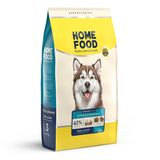
HOME FOOD “Healthy Skin and Shiny Coat” dry food for adult large-breed dogs “Turkey and salmon”, 3 kg
Buy
Combinations: MSM, collagen, Omega-3
To enhance the effects of chondroitin and glucosamine, other functional supplements aimed at supporting the musculoskeletal system can also be used.
For connective tissue support and a rapid anti-inflammatory effect, MSM — organic sulfur — can also be used.
Adding collagen can also be a good option. It complements the action of chondroprotective compounds by providing ready-to-use amino acid material to support ligament recovery and joint elasticity.
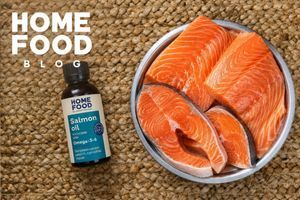
The fatty acids found in Omega-3 (especially EPA) block enzymes that “break down” cartilage during inflammation and create favorable conditions for glucosamine and chondroitin to do their work. Salmon oil is a natural source of these fatty acids.
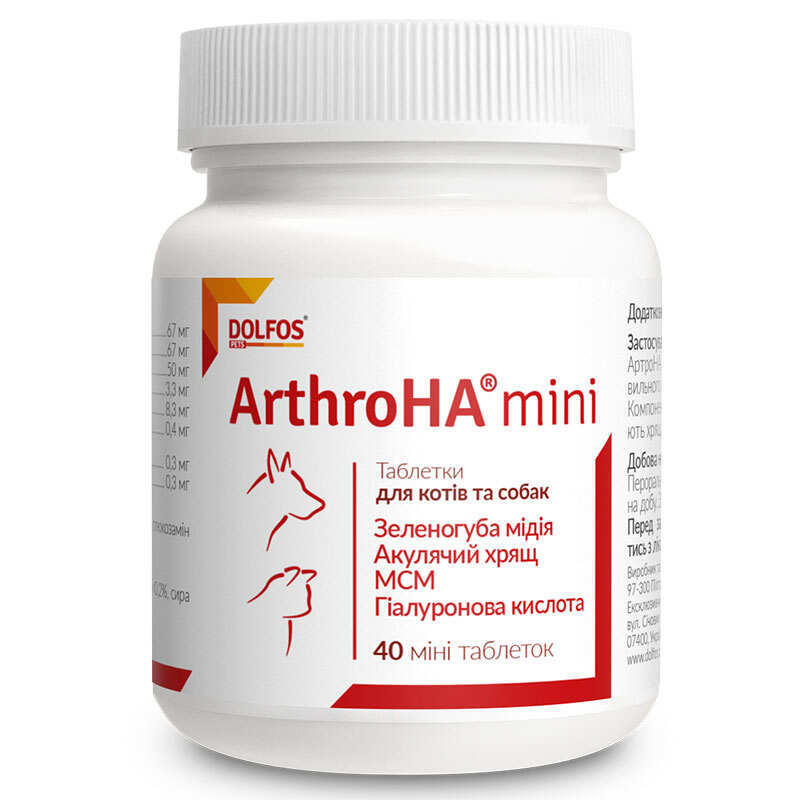
Dolfos ArthroHa mini — chondroprotective supplement for cats and small-breed dogs, 40 tablets
Buy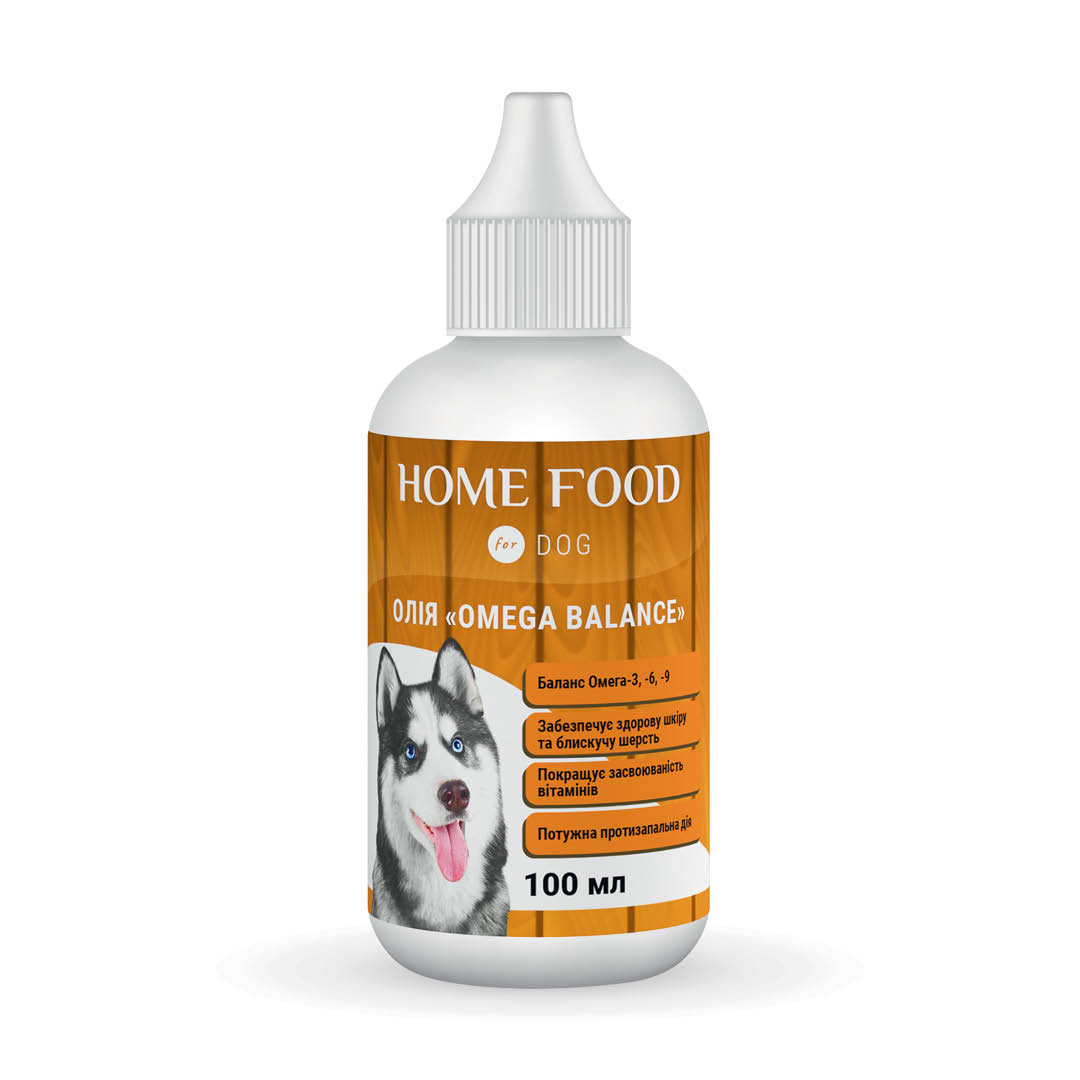
HOME FOOD Phytomin oil for dogs “Omega Balance” Omega-3, -6, -9 Balance, 100 ml
Buy
Breeds and animals at increased risk
Any pet can experience joint problems, but some animals are at increased risk.
This primarily applies to large and giant breeds such as Great Danes, shepherd dogs, Labradors, Cane Corsos, Irish Wolfhounds, and others, and among cats, of course, Maine Coons.
You should also be especially attentive if your pet is brachycephalic: these animals are genetically predisposed to spinal abnormalities and specific limb structure. For the same reason, Dachshunds and Corgis are also in the risk group, while among cats, British and Scottish Fold cats are at risk due to a cartilage tissue mutation.
Senior animals and pets with excess weight also require special attention. With age, the body’s own collagen synthesis slows down, and every extra kilogram adds further strain.
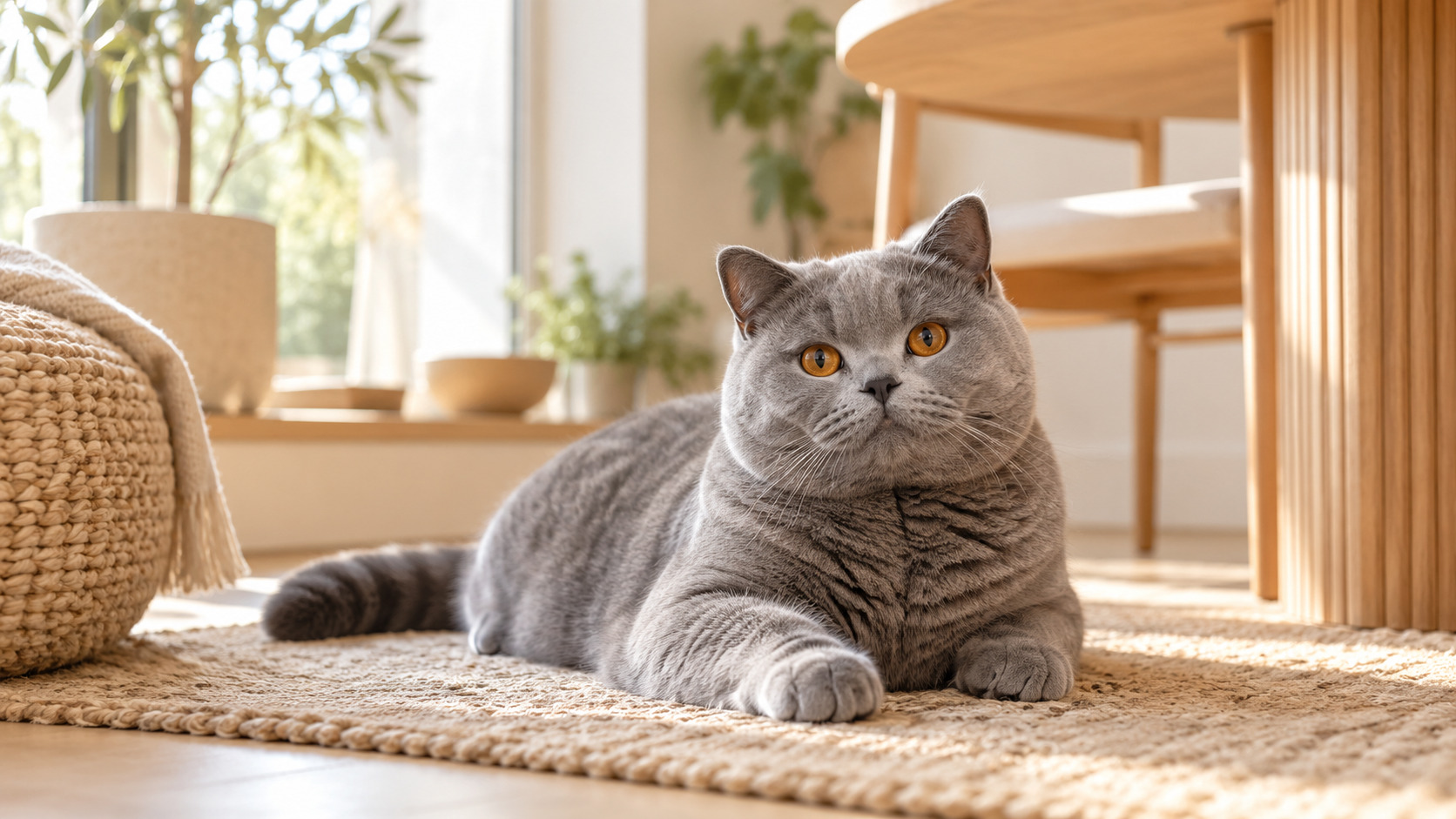
Because of rapid growth and substantial body weight, their joints are exposed to enormous daily strain
When to start joint support
Owners of animals in the risk group should be prepared in advance, before symptoms appear, and begin preventive support in a timely manner. This requires choosing an optimal diet with a good level of chondroitin and glucosamine.
Warning signs of possible joint problems may include stiffness after sleep, reluctance to jump or move actively, and limping while walking. If you notice these signs, you should contact a veterinarian promptly.
Chondroprotective compounds in HOME FOOD diets
In HOME FOOD diets, we have already taken care to ensure that your pets’ joints receive continuous support without extra hassle. Our range includes specialized foods for both large-breed cats and Maxi dogs. They are all enriched with high levels of glucosamine, chondroitin, and Omega-3 fatty acids, because prevention and daily care for your pets’ health are our top priority.
Frequently asked questions (FAQ)
Why is glucosamine included in pet food?
It is the main “building material” for cartilage and joint fluid. It is included in food so that cartilage tissue can renew itself every day and withstand wear from physical loads.
How much chondroitin is needed?
The average daily amount is approximately 15–20 mg for dogs and 20–25 mg for cats per 1 kg of body weight. In specialized diets for joint support, an optimal chondroitin content is 300–500 mg per 1 kg of food (0.03–0.05%) — this is sufficient for daily protection of cartilage tissue.
Is there enough chondroprotective support in pet food?
With a properly selected diet, yes. High-quality food fully covers the daily nutritional needs of healthy cartilage. However, in cases of serious joint disorders or acute joint conditions, it is advisable to consult a veterinarian.
When should joint support begin?
The earlier, the better — this is preventive care. Large pets need support from a young age for proper growth, while older animals need it to help reduce joint wear.