We all know pumpkin as a tasty and healthy food. In the diets of dogs and cats, it appears in different forms — as flesh, seeds, or seed oil. And each part of the pumpkin has its own value.
The flesh is rich in dietary fiber, the seeds in protein, healthy fats, and minerals, and pumpkin oil in unsaturated fatty acids. Yet it is the seeds that traditionally raise the most questions. After all, many people have heard that they help get rid of worms. Let’s figure out what’s true here and what’s a myth.
Small seeds with a big supply of beneficial nutrients
Pumpkin seeds are a very nutritious part of the plant. They contain plant protein, dietary fiber, linoleic omega-6 and oleic omega-9 fatty acids, vitamin E, magnesium, zinc, iron, copper, manganese, phosphorus, and potassium.
The seeds are especially notable for their high magnesium content. This mineral is needed for muscle and nervous system function, energy production, and maintaining strong bones. Zinc is important for skin renewal, the skin’s natural protection, and the growth of a healthy coat.
That is why pumpkin seeds should be seen first and foremost as a valuable food ingredient. And their long-standing reputation as a natural remedy for worms has an interesting scientific explanation.
Do pumpkin seeds really help against worms?
This story didn’t come out of nowhere. Pumpkin seeds contain cucurbitin — a natural substance studied for its ability to affect intestinal parasites.
In studies, seed extracts reduced the motility of certain worm species and affected their eggs and immature stages. This effect has been studied against some roundworms and tapeworms.
Studies use precisely measured amounts of seeds or concentrated extracts. So pumpkin seeds are interesting as a natural dietary component with antiparasitic properties under study, but if worms are detected, it’s best to discuss how to get rid of them with a veterinarian.
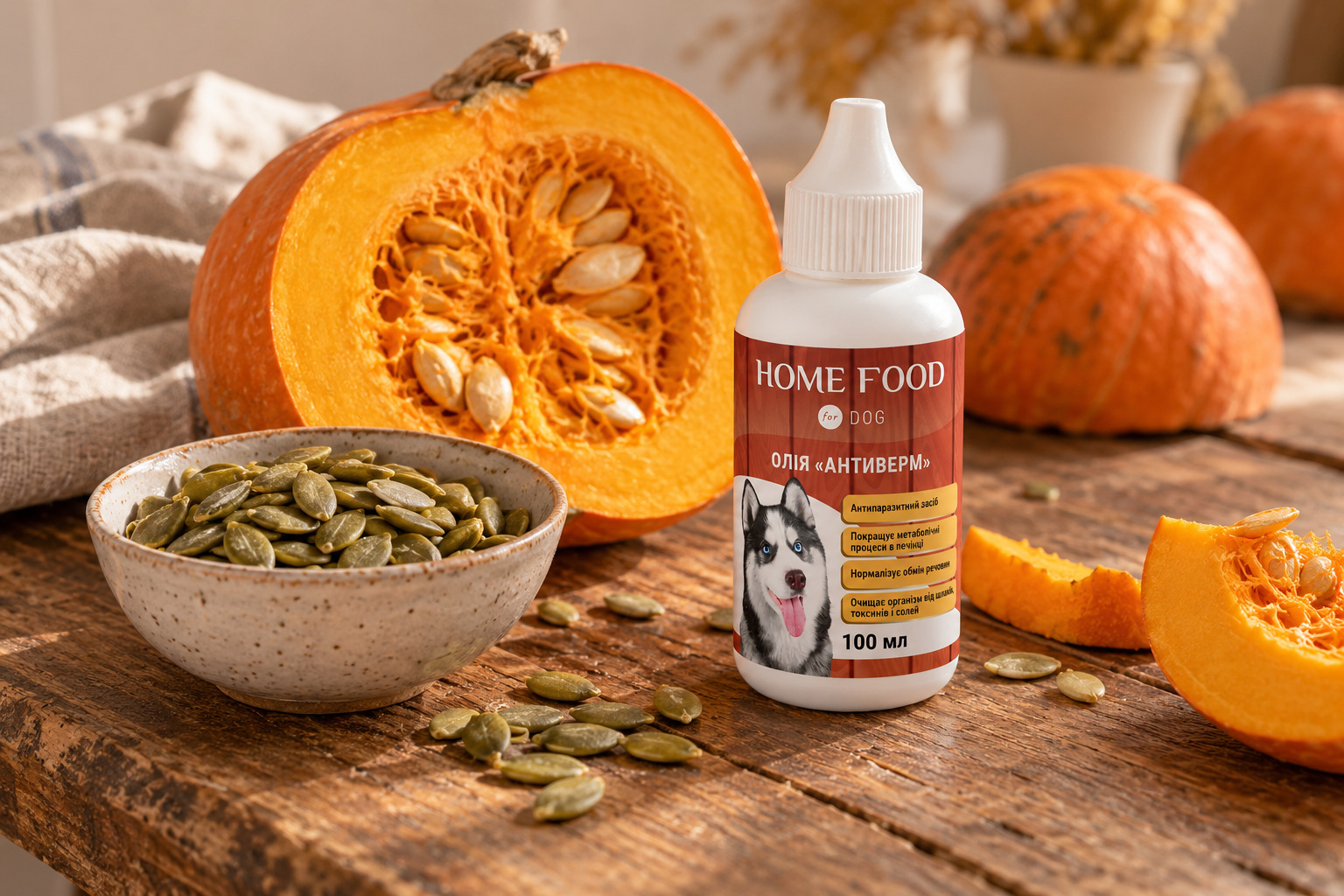

Still, a few seeds in the bowl are not the same as a proper worm treatment
And what are the benefits of pumpkin flesh?
The flesh works in a completely different way. It is rich in fiber, pectins, potassium, and carotenoids, including the well-known β-carotene.
Dietary fibers support intestinal function and normal stool consistency, while some of the fiber becomes food for beneficial gut bacteria.
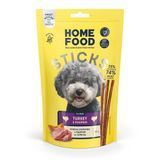
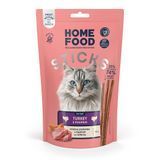
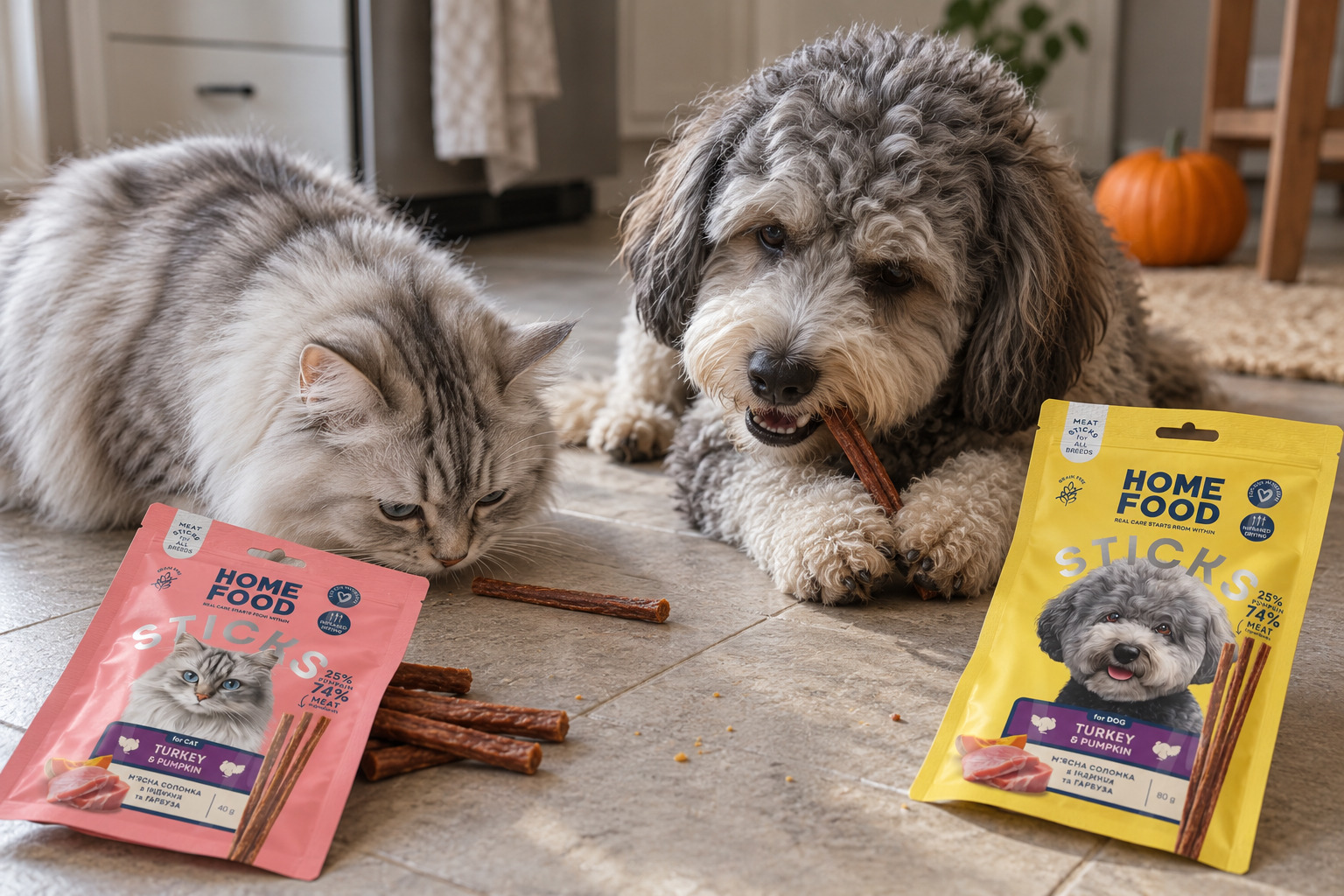
That is exactly why pumpkin is often included not only in pet foods but also in treats. At HOME FOOD, this includes the “Veal with vegetables and aromatic herbs” dog food, where pumpkin is part of a vegetable mix with beets, carrots, and sweet potato. HOME FOOD Protein Cookies with turkey and pumpkin for dogs, made to support immunity and healthy digestion, contain 7% baked pumpkin, while HOME FOOD Meat Sticks with turkey and pumpkin dog treats contain 25% pumpkin flesh.


HOME FOOD Meat Sticks treats for dogs “Turkey and pumpkin”, 80 g
Buy
HOME FOOD Meat Sticks treats for cats “Turkey and pumpkin”, 40 g
Buy
Dried pumpkin pieces — a convenient form of pumpkin flesh
In dry food, pumpkin is conveniently used as dried pumpkin pieces — small dehydrated bits of the flesh. They provide the diet with plant fibers, minerals, and natural pigments.
Dried pumpkin pieces are included in several HOME FOOD diets at once:
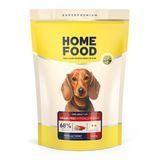
- For small-breed dogs, grain-free hypoallergenic “Duck and turkey” (Grain Free Hypoallergenic) — 2% dehydrated pumpkin.
- For medium- and large-breed dogs, grain-free hypoallergenic “Duck and chickpeas” (Grain Free Hypoallergenic) — 3%.
- For small-breed dogs, “Healthy skin and shiny coat. Turkey and salmon.”
- For medium-breed dogs, “Healthy skin and shiny coat. Turkey and salmon.”
- For sterilized/neutered cats, Chicken & Liver. Foodies (“Chicken and liver”).
So in HOME FOOD dry foods, the share of dehydrated pumpkin reaches 2–3% of the recipe.
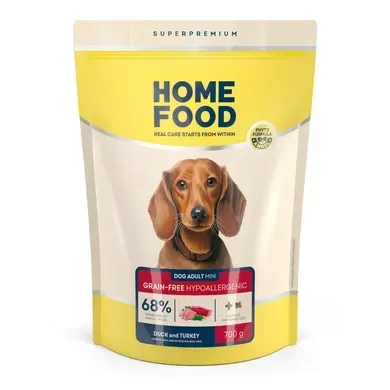
HOME FOOD grain-free hypoallergenic dry food for adult small-breed dogs “Duck and turkey”, 700 g
Buy
HOME FOOD grain-free hypoallergenic dry food for adult medium- and large-breed dogs “Duck and chickpeas”, 10 kg
Buy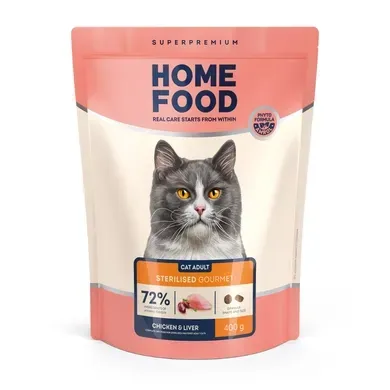
HOME FOOD dry food for picky sterilised/neutered adult cats Chicken & Liver, 400 g
Buy
HOME FOOD dry food for adult British and Scottish cats “Turkey and duck”, 400 g
Buy
Pumpkin seed oil — benefits in a single drop
The oil differs from both the flesh and the seeds. It doesn’t contain the same amount of fiber, but it concentrates healthy fats. Linoleic omega-6 and oleic omega-9 fatty acids are especially valuable. Dogs and cats need linoleic acid for healthy skin and coat.
Pumpkin oil also contains vitamin E, phytosterols, squalene, and other natural protective substances. At the same time, it doesn’t replace fish oil, since the omega-3s EPA and DHA come mainly from marine sources.
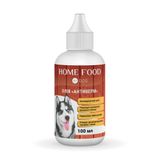
Pumpkin seed oil is featured in HOME FOOD Phytomin for dogs “Antiverm” oil.
Fun fact — pumpkin and fresh breath
Pumpkin isn’t found only in pet foods. Its flesh, powder, and seeds are added to functional treats and comprehensive oral care products. Such products are designed to help keep teeth clean and breath fresher.
In these products, it works together with other ingredients, and in chew treats, shape and texture also play an important role. So this is yet another interesting example of how versatile an ingredient ordinary pumpkin has become in pet nutrition.
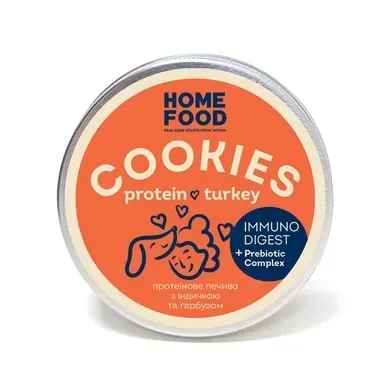
HOME FOOD Protein Cookies with turkey and pumpkin for dogs, 80 g
Buy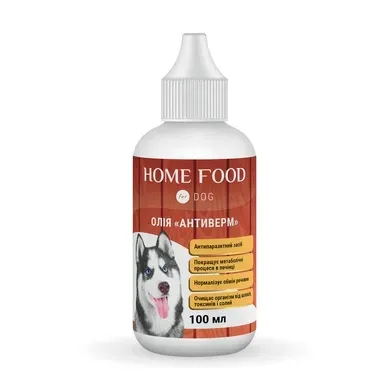
HOME FOOD Phytomin for dogs “Antiverm” oil, 100 ml
Buy
Pumpkin on its own doesn’t remove tartar or bad breath
Is pumpkin suitable for every pet?
Pumpkin, its seeds, and its oil are generally well suited to dogs and cats. Yes, cats can have pumpkin too. However, every pet is unique. After trying a new product, soft stools, bloating, vomiting, or reluctance to eat sometimes occur.
Seeds and oil are much fattier than the flesh, so they should be introduced especially sparingly. This is particularly relevant for animals with sensitive digestion. For puppies, kittens, pregnant and senior animals, as well as lactating animals, it’s best to agree on the amount of any additional food with a veterinarian.
As for worms, it’s important to remember one simple thing: today there is no scientifically established home regimen in which a certain amount of seeds or oil is guaranteed to rid a dog or cat of parasites.
Conclusion
Practically every part of the pumpkin is interesting in its own way. The flesh provides fiber and supports digestion, the seeds are rich in magnesium, zinc, protein, and healthy fats, and the oil concentrates valuable fatty acids.
Even the well-known story about seeds “against worms” has a scientific basis. However, it’s best to think of pumpkin not as medicine, but as a natural ingredient that makes your pet’s diet more varied and nutritious.
Frequently asked questions
Do pumpkin seeds get rid of worms?
Their antiparasitic properties have been confirmed by experimental studies. However, a regular serving of seeds doesn’t guarantee complete freedom from worms.
How much pumpkin or pumpkin seed should I give?
In complete food, the amount is already accounted for in the recipe. In HOME FOOD foods, dried pumpkin pieces are present, in particular, at 2–3%. When adding pumpkin or seeds separately, start with a small amount and keep an eye on how your pet feels.
What are the benefits of magnesium from pumpkin seeds?
Pumpkin seeds are rich in magnesium. It is needed for normal muscle and nervous system function and is involved in energy production and maintaining strong bones. Their high magnesium content is precisely one of the reasons pumpkin seeds are considered a valuable nutritional component of the diet.
Pumpkin or seeds — which is better?
There’s no need to choose. The flesh and dried pumpkin pieces are valued primarily for their fiber, while the seeds are valued for protein, healthy fats, magnesium, zinc, and other nutrients. In a balanced diet, different parts of the pumpkin complement each other perfectly.