📌 HOME FOOD Blog: care, health and nutrition tips for cats and dogs. 🩺 Relevant articles for caring pet owners ❤️
Munchkin: breed origin, appearance, character, health, care, nutrition, features of short legs and tips on how to create a safe home environment for this active cat
The Munchkin is immediately recognizable by its short legs, elongated body and very lively, mobile character. Despite unusual proportions, this is not a 'decorative sofa cat', but an active, curious and very affectionate pet that fits well into family life.
It is the combination of cute appearance and intelligent, sociable behavior that made the breed very popular. But along with affection for Munchkins, it is important to speak honestly about responsible breeding, weight control, safe living conditions and careful attention to the musculoskeletal system.
In this article, we'll explore where the Munchkin comes from, what character it has, what is known about the health of short-legged lines, how to properly organize care and what nutrition this small but very energetic cat should have.
Brief breed characteristics
| Origin | USA; the modern history of the breed began in 1983 |
| Alternative name | Munchkin |
| Breed type | Short-legged domestic breed associated with a natural genetic mutation |
| Size and weight | Small size; typically around 2.2–4 kg |
| Lifespan | On average 13–16 years |
| Coloring | Almost any coat colors and patterns are possible |
| Coat type | Short or long, with undercoat |
| Character | Curious, friendly, playful, intelligent |
| Care | Regular brushing, nail care, dental care, weight management and a safe home environment |
| Suitable for | Families and people who want an active home companion and are ready to monitor weight and movement comfort |
History of origin
The modern history of the Munchkin began in 1983 in the USA, when Sandra Hochenedel found a short-legged cat named Blackberry. Some of her kittens also had short legs, and from that moment it became clear that this was not the result of a random injury or illness, but a stable hereditary trait.
According to TICA, in 1994 the Munchkin was accepted into the new breed development program. At the same time, the breed sparked discussions from the beginning: some feline experts believed that short legs could affect animal welfare, so the question of health, functionality and responsible breeding remains important today.
Despite the controversy, the Munchkin quickly became popular due to its temperament: it is a cheerful, active and very sociable cat that feels comfortable around people. But that's exactly why it's important not to idealize the breed's appearance, but to view it through the lens of quality of life and health.
- The modern development of the Munchkin breed began in the USA in 1983.
- TICA included the Munchkin in the new breed development program in 1994.
- The question of health and ethics of breeding short-legged cats still requires careful attention.
Appearance
The most noticeable feature of the Munchkin is short legs combined with a body of relatively normal length. That's why it's often compared to a Dachshund, although the comparison is quite conditional: the Munchkin remains a cat with feline flexibility, interest in vertical space and a well-developed hunting instinct.
The breed comes in short-haired and long-haired varieties, and coloring can be very diverse: solid, striped, spotted, tortoiseshell, white or combined. This makes the Munchkin not only recognizable by its silhouette, but also very visually diverse.
A healthy cat of this breed should look not helpless or deformed, but strong, proportionate and functional. This is important to remember when choosing a kitten: cute short legs should not overshadow the assessment of overall posture, movement and breathing.
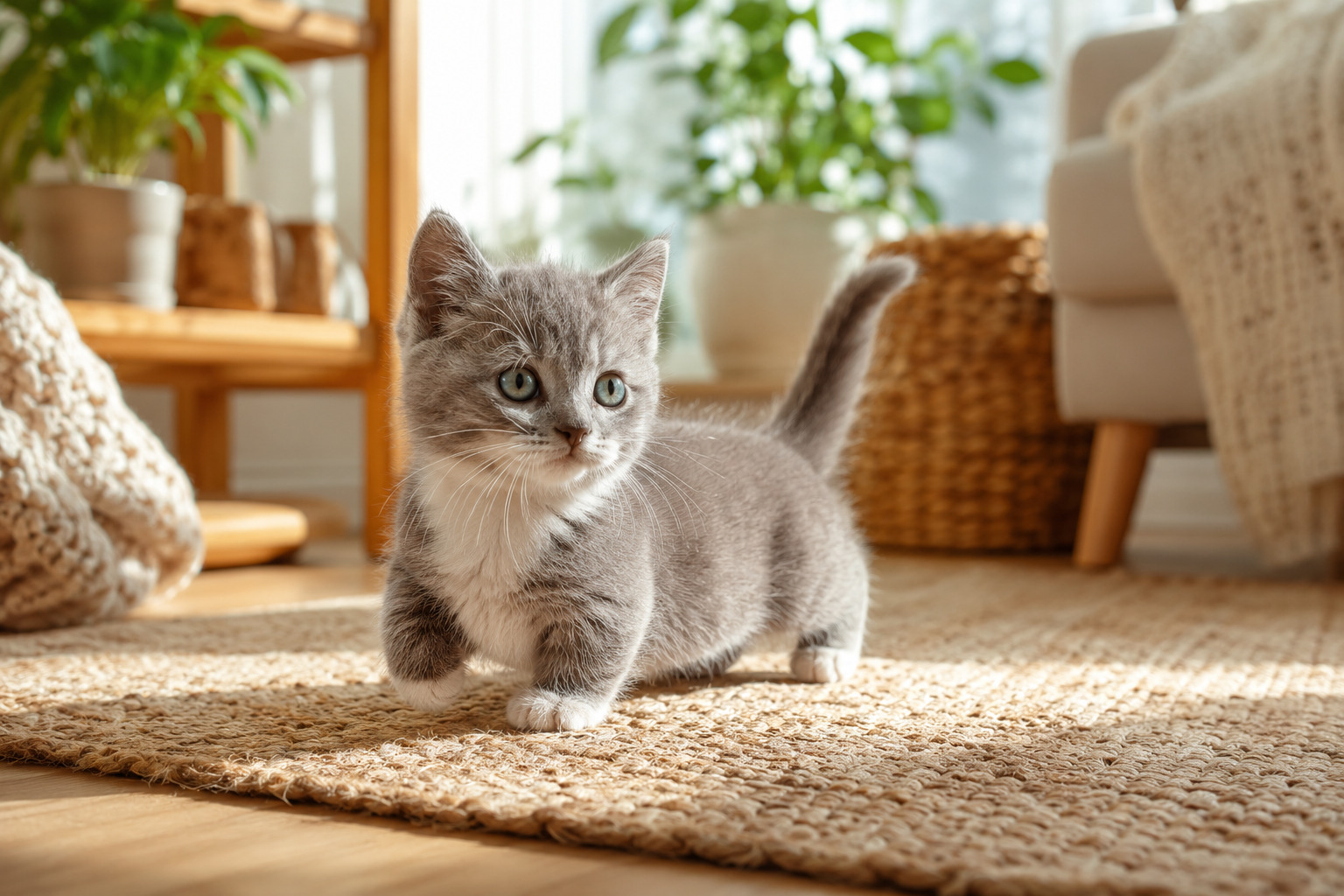

The Munchkin is easily recognized by its short legs, longer body and very mobile, attentive gaze
Character and temperament
Munchkins are usually very sociable, friendly and curious. They readily interact with people, enjoy observing household activities and often literally follow their owner from room to room. At the same time, this is not usually an intrusive breed: many Munchkins sense boundaries well and choose the moment for active interaction themselves.
The breed is known for playfulness and ingenuity. Munchkins love hide-and-seek, small toys, interactive tasks and observation from elevated points. They are often described as cats that can create 'hiding spots' and carry small things there.
Despite short legs, the Munchkin is not lazy. This is a lively home cat that needs games, mental stimulation and the opportunity to explore space in a safe format.
Attitude towards children and other animals
Munchkins usually get along well with children if they interact with the cat gently. Its playfulness and patient character make the breed convenient for family life, but like any animal, children need to be taught that a cat should not be pulled, squeezed or forced into contact.
Munchkins also often get along well with other pets, especially if the introduction happens gradually. They rarely seek to dominate at any cost and with normal socialization coexist comfortably with other cats or balanced dogs.
- The Munchkin is usually friendly, affectionate and adapts well to family life.
- The breed loves games, exploring space and short active sessions throughout the day.
- This is a cat that needs not only the warmth of home, but also daily mental and physical stimulation.
Behavior in an apartment
For an apartment, the Munchkin is well-suited if the space is organized intelligently. It needs not extreme heights, but convenient movement routes: lower beds, low-height complexes, stable steps, safe windowsills and play areas that can be reached without risky jumps.
According to PetMD, short legs in themselves do not mean that a cat is doomed to problems, but the Munchkin really does need to avoid gaining excess weight and living in an environment where everything is built around high jumps. Excessive strain on the back and joints is much more undesirable here than in an average domestic cat.
The Munchkin feels best where there is a combination of activity and safety: interesting toys, social interaction, feeding routine and space where short legs don't become a problem due to poorly organized living conditions.
Health and possible risks
Many Munchkins do remain healthy provided quality breeding, but this does not mean that short legs should be viewed only as a cute decorative feature. In sources, the need to carefully monitor posture, movement, weight gain and overall condition of the musculoskeletal system is most often mentioned.
In articles about the breed and veterinary reviews, lordosis is often mentioned as one of the possible risks. In addition, like any small active cat, the Munchkin needs regular check-ups, vaccinations, parasite control and maintenance of muscle tone without overexertion.
Therefore, it's more honest to speak not of an 'absolutely problem-free breed', but of a cat that needs a competent breeder, normal body condition and an environment without constant risk to the back and joints. If a cat starts moving less, jumps cautiously, changes gait or gains weight quickly, this is a reason not to wait, but to show it to a veterinarian.
- For a Munchkin, weight control, quality breeding, and monitoring mobility are especially important.
- Short legs don't cancel out activity, but they require a safer living environment without excessive strain.
- Changes in gait, caution in movement, reluctance to jump, or rapid weight gain require veterinary attention.
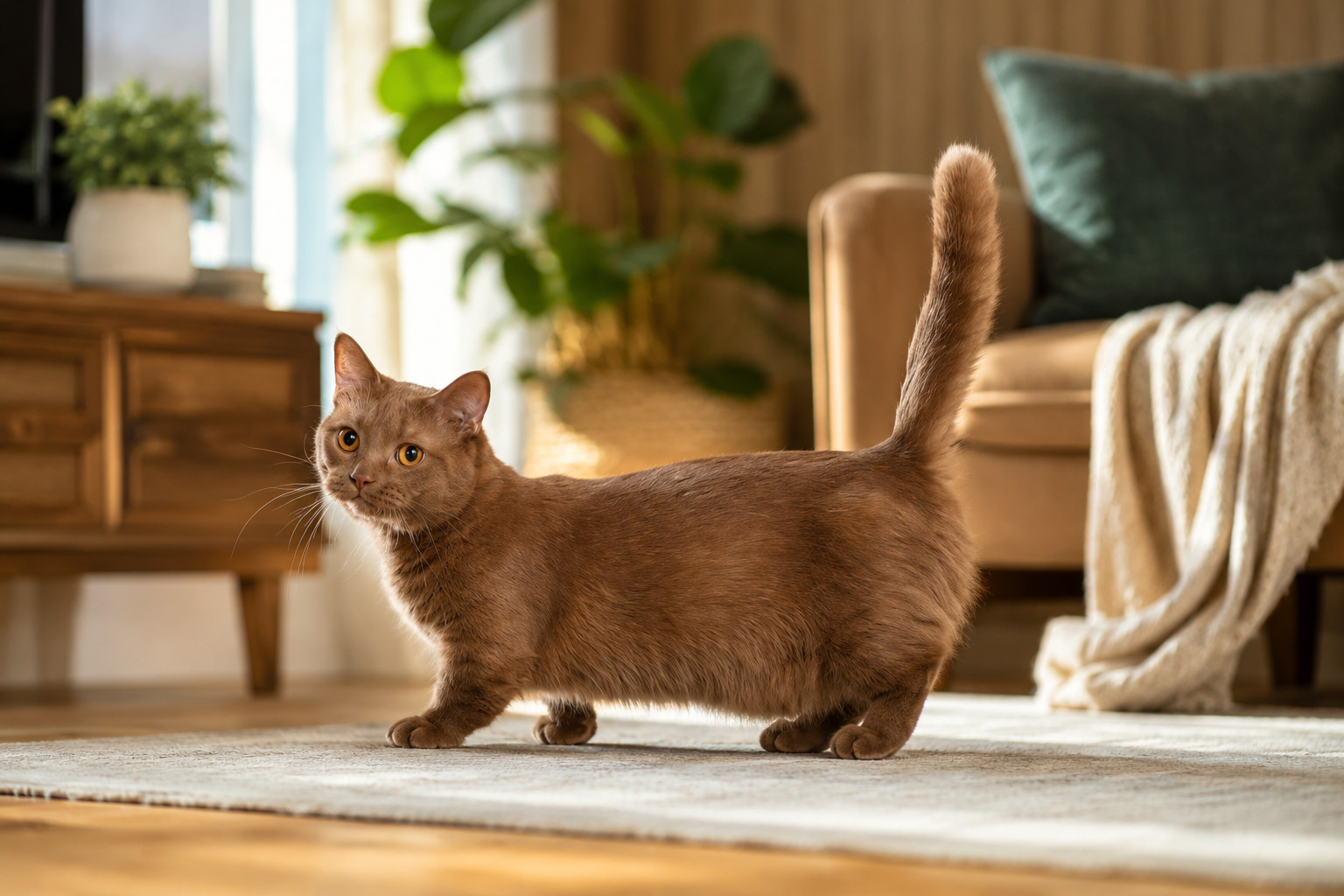
For a Munchkin, the most important things are weight control, safe movement routes, and daily activity without overexertion.
Care
Munchkin care depends largely on coat length. Short-haired cats are usually brushed once every 1–2 weeks, while long-haired cats are brushed much more frequently, sometimes daily during shedding season. This helps remove dead hair, reduce the amount of fur in the home, and prevent matting.
It's also important to regularly check the condition of ears, eyes, nails, and teeth. Nails should be trimmed as they grow, and teeth should be cleaned at least once a week with special cat products. All of this helps prevent a minor hygiene issue from developing into pain, stress, or inflammation.
It's worth separately monitoring household habits: Munchkins benefit from short active games, puzzles, soft routes to elevated areas, and regular social interaction. These daily rituals support both physical fitness and psychological comfort for the breed.

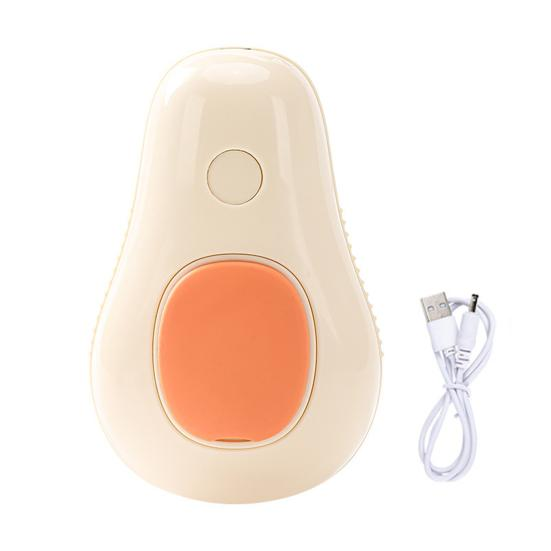
Steam massage brush 3 in 1 – 'Avocado' for coat care for dogs and cats
Buy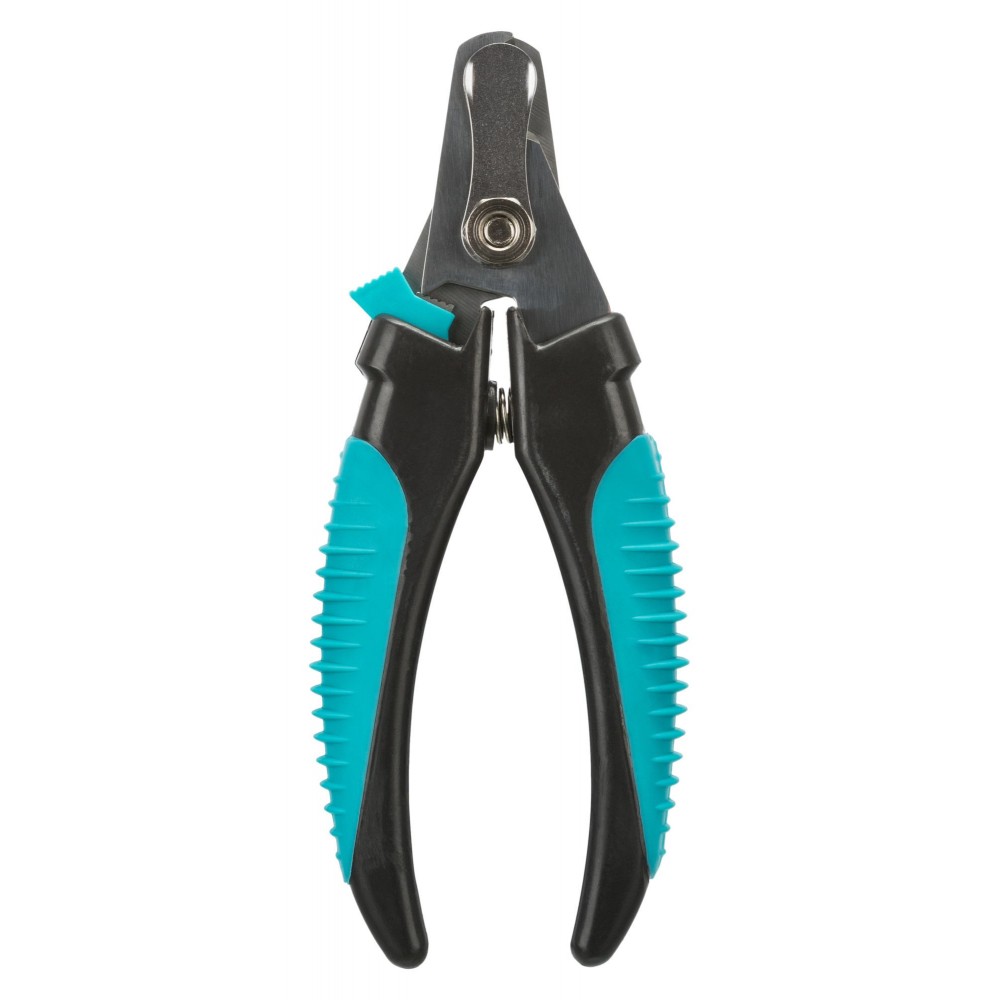
Trixie Luxe – nail clipper for pets, large, 16 cm
Buy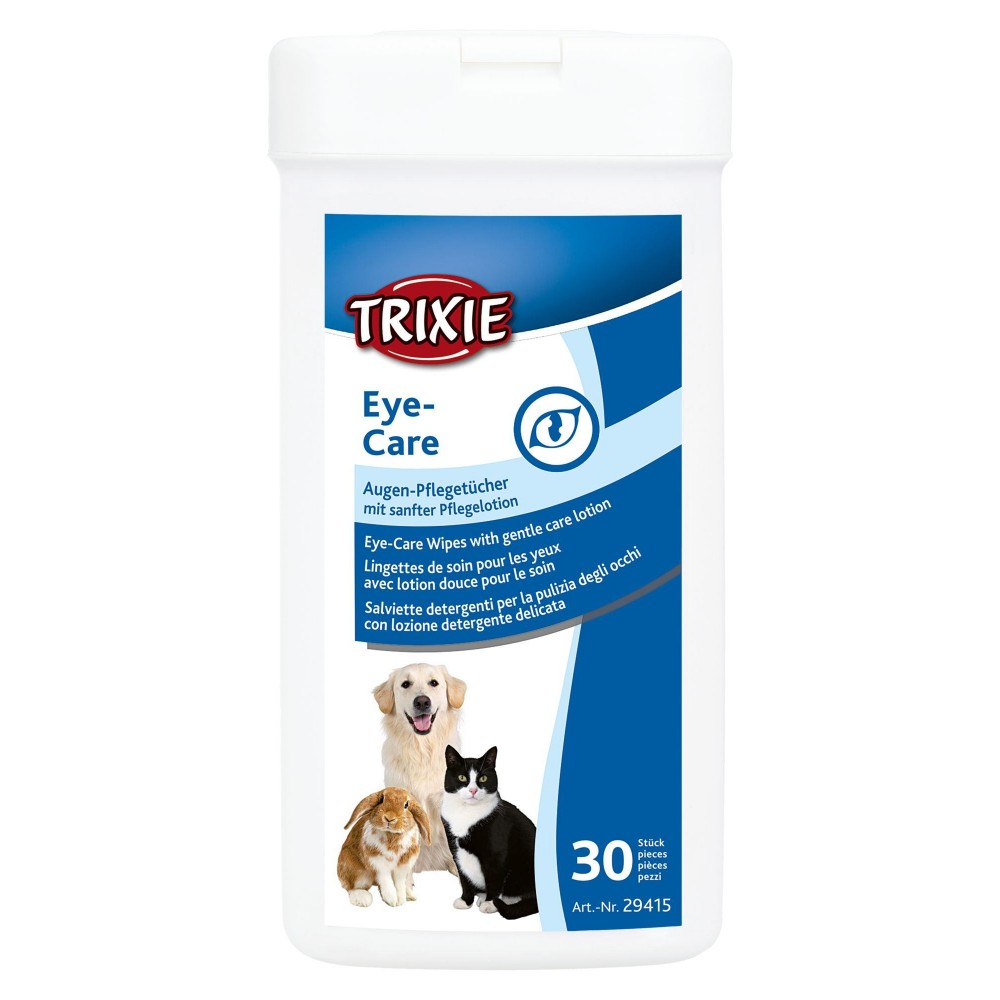
Trixie – eye care wipes for dogs and cats, 30 pcs
Buy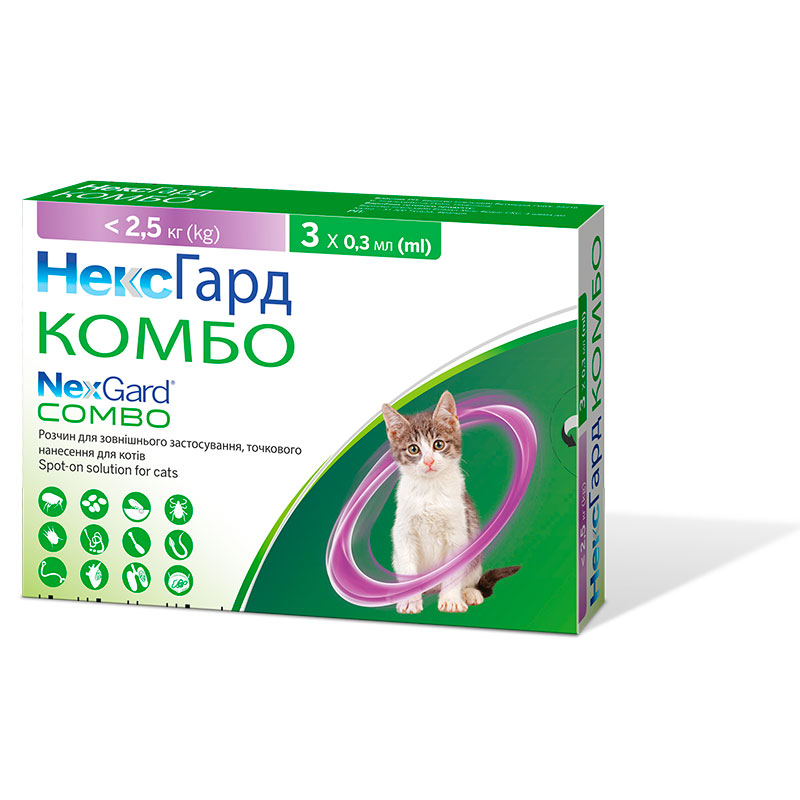
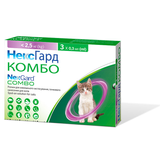
NexGard Combo – antiparasitic drops for topical application against fleas, ticks, and worms for cats
Buy
Nutrition
Munchkin nutrition should be balanced and controlled for calorie content. Due to their body structure, weight gain is particularly undesirable for this breed: even slight obesity creates additional strain on the back and joints and reduces the desire to move.
The diet should be based on complete animal proteins, sufficient taurine, fatty acids, vitamins, and minerals. If the owner chooses natural feeding, it's important not to do it 'by eye': without veterinary dietology, it's easy to develop deficiencies or an imbalance in fats and calories.
For most owners, a practical solution is quality commercial food with clear dosing. The feeding routine should be built taking into account age, activity level, sterilization, and current body condition, rather than waiting until weight or lethargy becomes a noticeable problem.
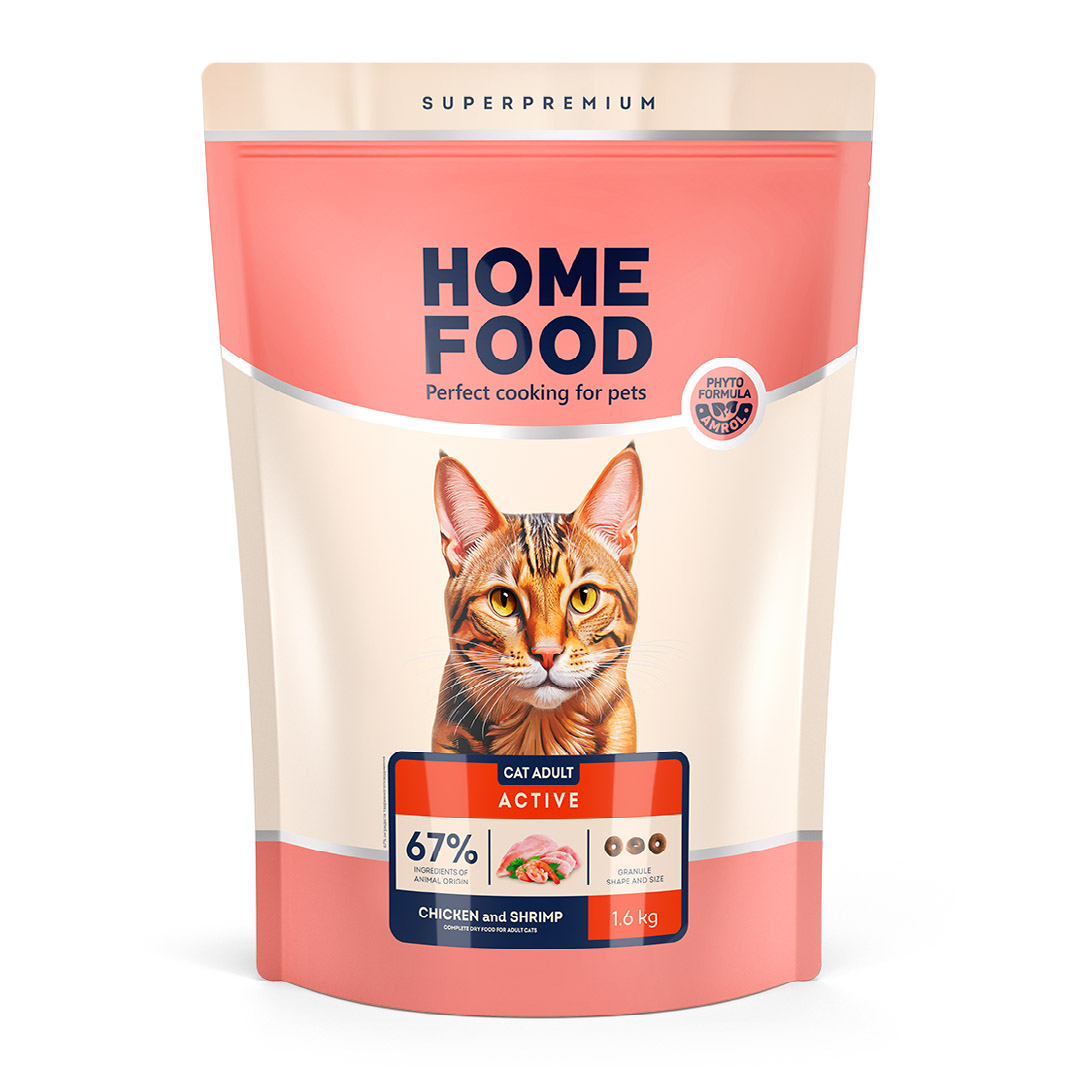
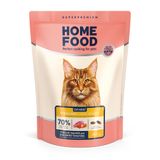
HOME FOOD For active – dry food for active adult cats, chicken and shrimp
Buy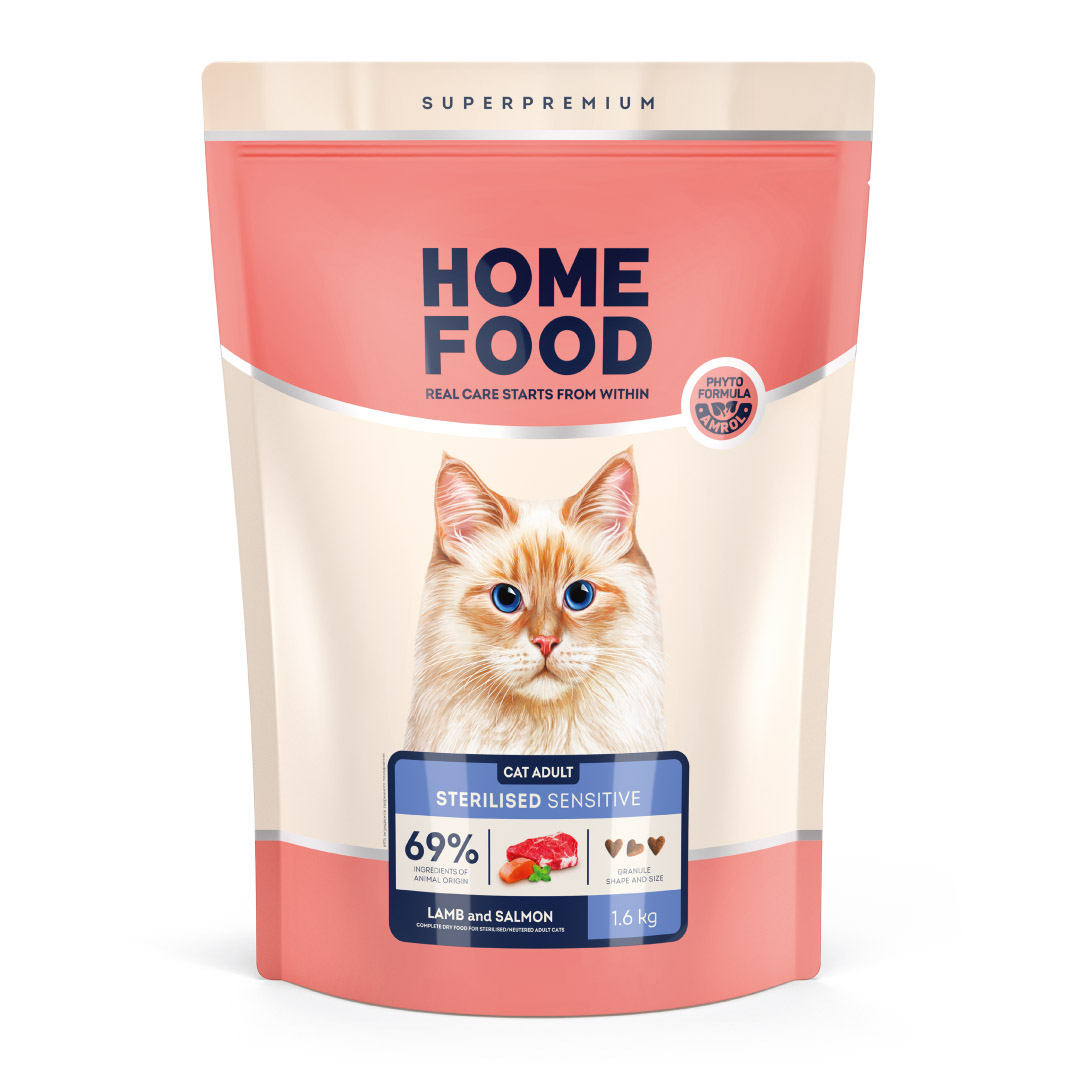
HOME FOOD With sensitive digestion. For sterilised/neutered – dry food for sterilized/neutered adult cats with sensitive digestion, lamb and salmon
Buy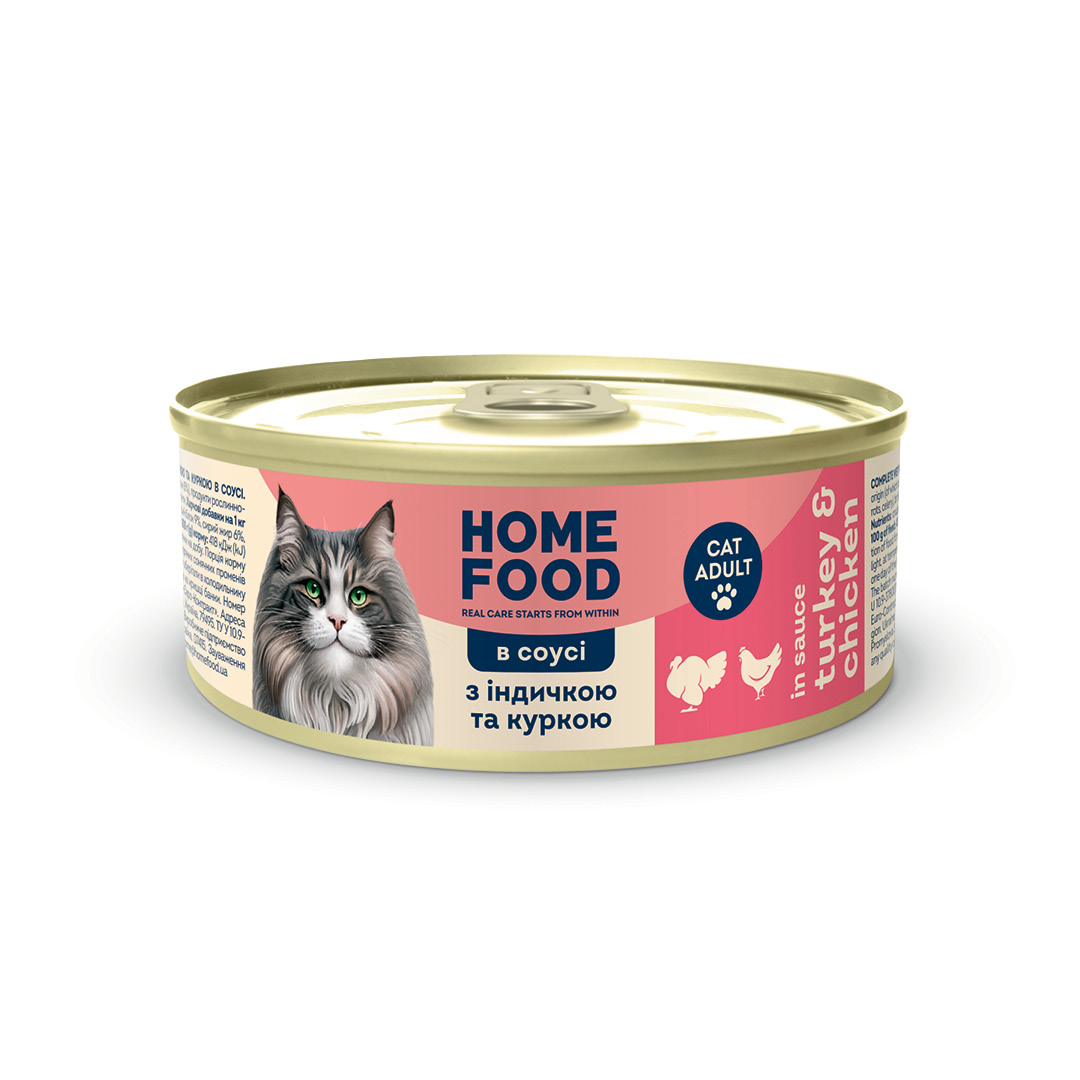
HOME FOOD – complete canned food for adult cats with turkey and chicken in sauce
Buy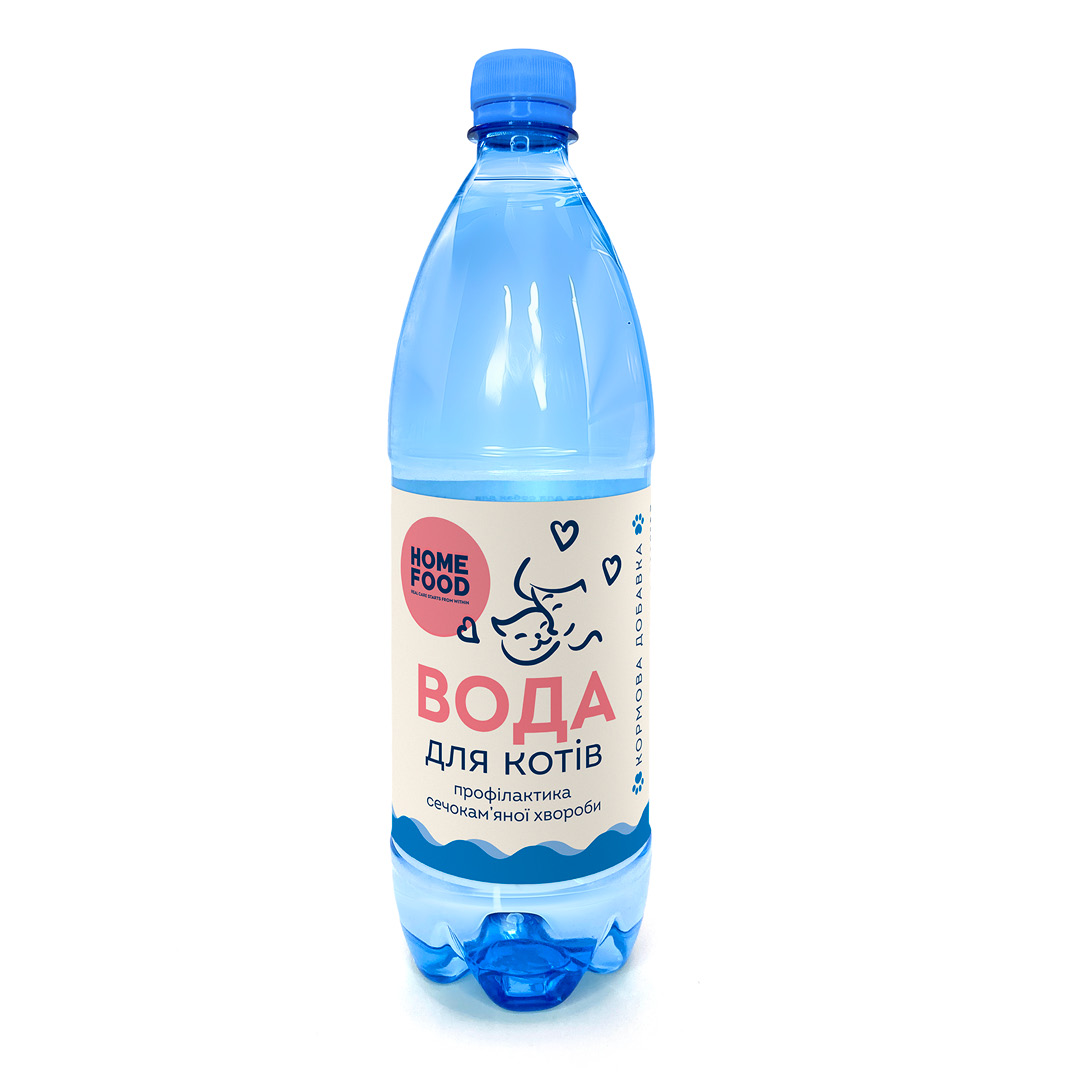
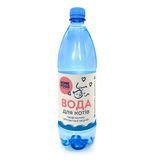
HOME FOOD – drinking water for cats for the prevention of urolithiasis, 1 l
Buy
Pros and cons of the breed
Before choosing a Munchkin, it's important to evaluate not only its charming appearance but also the breed's household characteristics.
- The pros include a friendly temperament, playfulness, good adaptation to apartment living, and close contact with the family.
- Munchkins typically get along well with children and other pets.
- The cons include the need for careful weight control, a safe environment, and responsible breeder selection.
- For people who want the breed only for its cute appearance without being prepared to invest in proper care, a Munchkin is not suitable.
How to choose a healthy Munchkin kitten
You should buy a kitten only from a verified breeder who is willing to discuss not only the cute appearance but also health, socialization, and living conditions. It's important to see the mother, assess the cleanliness, behavior of the kittens, and the condition of their coat, eyes, ears, and mucous membranes.
A healthy kitten should be active, curious, without obvious stiffness in movement or shortness of breath. It's good if the breeder shows veterinary documents, explains the breed's characteristics, and doesn't downplay the importance of future weight control and mobility monitoring.
Frequently asked questions
- Why munchkins have short legs: this is the result of a natural genetic mutation that became the foundation of the breed.
- Can you let a munchkin outside: for this breed, indoor housing without free outdoor access is safer.
- How often do you need to brush their coat: short-haired cats usually once every 1–2 weeks, long-haired cats much more frequently.
- Does a munchkin need special toys: yes, interactive games, low climbing structures, and activities that stimulate thinking without risky jumps are beneficial.
Conclusion
A munchkin is not just a cat with short legs, but an intelligent, active, and very pleasant home companion. Its appearance is truly unusual, but the main value of the breed lies in its character, curiosity, and ability to become a full-fledged family member.
If you combine careful kitten selection, weight control, quality nutrition, daily play, and a well-organized space, a munchkin can live a long, active, and comfortable life. This very approach allows you to see in the breed not just a cute peculiarity, but a living creature that needs care, a healthy lifestyle, and responsible treatment.