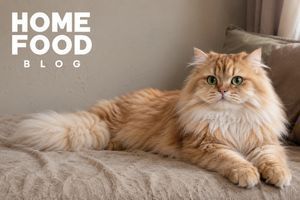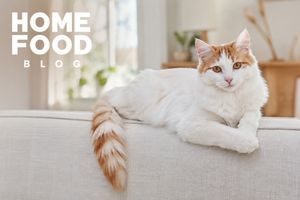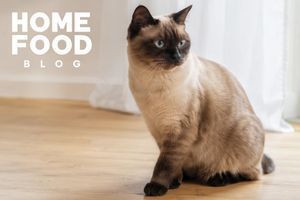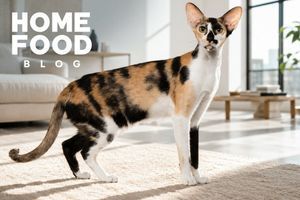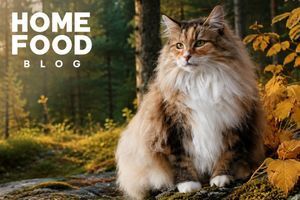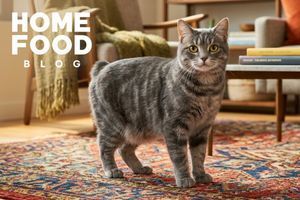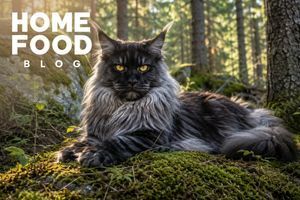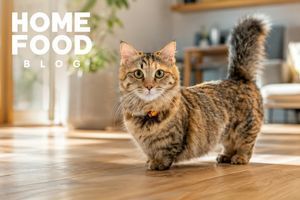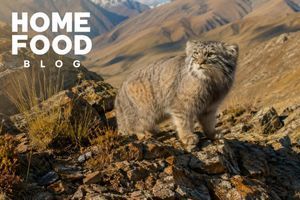
The Pixie-bob looks as if a small lynx accidentally wandered into your home: short tail, strong paws, massive muzzle and a slightly wild expression in the eyes. It's because of this appearance that the breed was long surrounded by legends. But in reality, it's a completely domestic cat, created through selective breeding, with no confirmed wild DNA.
The most interesting thing about the Pixie-bob is that behind the appearance of a predator lies a very human-oriented temperament. These cats are often called 'dog-like' for their loyalty, ability to learn and desire to be near their owner. It's this very contrast that makes the breed so appealing.
In this article, we'll explore where the Pixie-bob comes from, what its appearance is like, why polydactyly is allowed in the breed, what temperament these cats have, what conditions they need at home and what to pay attention to regarding care, activity and health.
Quick breed characteristics
| Origin | USA, 1980s |
| Alternative name | Pixie-bob |
| Breed type | Short-haired or semi-long-haired selectively bred domestic cat |
| Size and weight | Medium or large frame; approximately 4–9 kg |
| Lifespan | On average 13–16 years |
| Coloring | Spotted or striped tabby, predominantly in brown natural tones |
| Coat type | Short or semi-long, dense, with undercoat |
| Temperament | Calm, loyal, balanced, very human-oriented |
| Care | Moderate grooming, claw control, weight and joint monitoring and sufficient activity level |
| Suitable for | Families and people who want a calm, intelligent and social companion cat |
Breed origin
The history of the Pixie-bob was long shrouded in legend about natural crossbreeding of domestic cats with American bobcats. This version sounded beautiful and well explained the breed's appearance, but genetic research did not confirm the presence of wild blood. Modern feline references consider the Pixie-bob a completely domestic selective breed.
The breed's development is associated with breeder Carol Ann Brewer, who in the 1980s worked with cats that had a distinctive 'wild' appearance, short tail and strong build. The cat Pixie is considered the founder of the line, after which the breed got its name. In the mid-1990s, the Pixie-bob received official recognition from TICA.
So, the main idea of the breed lies not in exotic origins, but in successful selective breeding: the appearance of a small lynx without the behavioral difficulties of keeping a wild animal.
- The Pixie-bob was created in the USA in the 1980s as a domestic breed with a 'wild' appearance.
- There is no confirmed bobcat DNA in the breed.
- The breed received official recognition in the mid-1990s.
Appearance
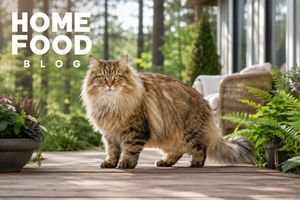
The Pixie-bob is an athletically built cat with heavy bone structure, well-developed musculature and very confident movement. The head is pear-shaped, with a strong chin, expressive whisker pads and deep-set eyes, which give a characteristic 'scowling' look.
One of the most important traits of the breed is the short tail. Its length can vary significantly, and this is normal for the standard. Also, polydactyly is officially allowed in Pixie-bobs, meaning the presence of extra toes. This is a rare situation for pedigree cats and one of the distinctive features of the breed.
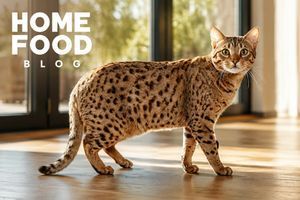
The Pixie-bob's coat can be short or semi-long, but is always quite dense. Coloring is predominantly spotted tabby in natural brown shades, with darker zones on individual hairs. It's the combination of the short tail, heavy build and 'domestic lynx' mask that makes the breed so recognizable.
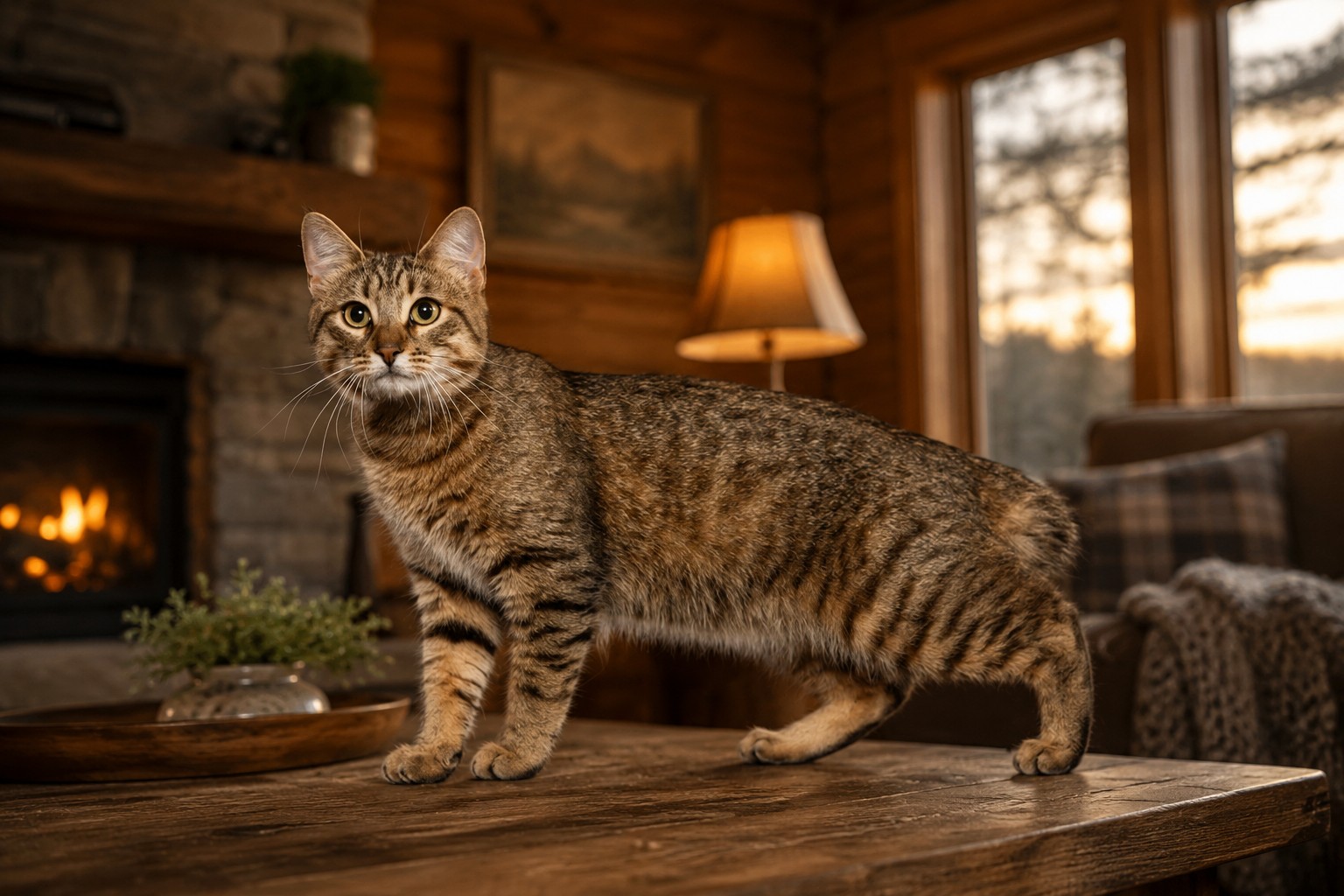

The Pixie-bob is easily recognized by its short tail, massive muzzle, strong body and tabby pattern in natural tones
Temperament
Despite their stern appearance, Pixie-bobs are known as very affectionate and socially oriented cats. They often become strongly attached to people, love being nearby, follow their owner around the house and respond well to interaction. Many owners truly describe them as cats with a 'dog-like' temperament.
The Pixie-bob is usually balanced and not prone to chaotic fussiness. But this is not a passive breed. They love play, learn well, willingly interact in the format of fetch, harness walks or shared outings. They also enjoy exploring space and solving small household 'tasks'.
With children and other animals, Pixie-bobs usually get along well if the household respects the animal's boundaries and provides it with sufficient stability. It's the combination of patience, intelligence and loyalty that makes the breed very convenient for family life.
Training and intellectual development
The Pixie-bob belongs to those breeds that truly enjoy learning. With positive reinforcement, they easily remember household rules, commands like 'come' or 'sit', and fetch becomes a favorite game for many of them. This is why the breed is well suited to people who want to actively interact with their cat, not just observe it.
Brute force or shouting don't work for such animals. Pixie-bobs are quite sensitive to tone and respond better to calmness, praise, consistency and treats. With this approach, they are capable of amazing understanding and behavioral stability.
- The Pixie-bob loves interaction with people and responds well to learning through play.
- The breed needs not only physical but also mental stimulation.
- Gentle training with positive reinforcement works best.
Housing and care features
The Pixie-bob's coat is usually not among the most difficult to maintain. Even semi-long-haired animals often don't form severe mats if brushed regularly 1–2 times a week. During periods of seasonal shedding, grooming should be intensified.
Special attention is needed for claws, especially in polydactyl cats. Extra toes are an acceptable trait of the breed, but claws on them may wear down worse, so it's important to regularly check that they don't grow in and don't cause discomfort. This is one of those things that's easy to miss without a habit of checking paws.
The Pixie-bob needs space to move: tall complexes, sturdy scratching posts, games that simulate hunting, puzzle toys, and for some cats—even harness walks. This is what helps maintain muscle tone and prevent boredom.


Steam massage brush 3 in 1 — "Avocado" for coat care for dogs and cats
Buy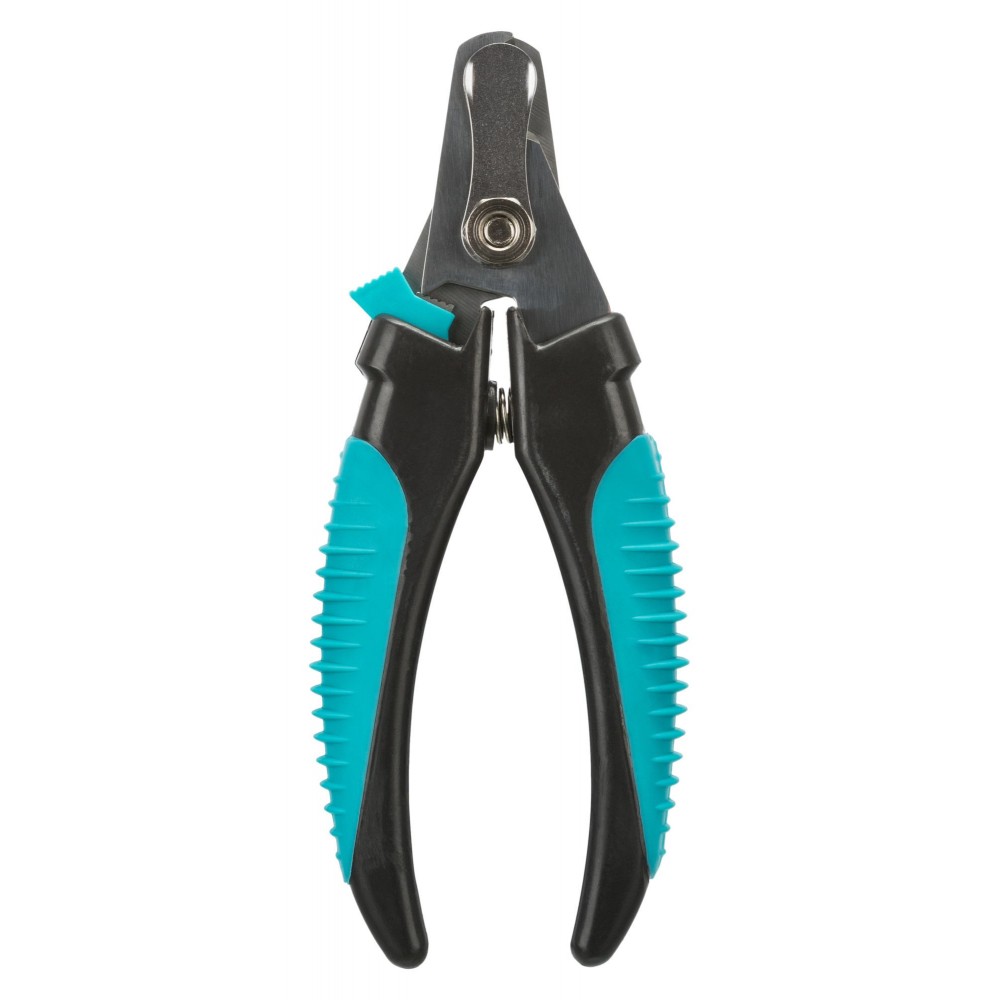
Trixie Luxe — nail clipper for pets, large, 16 cm
Buy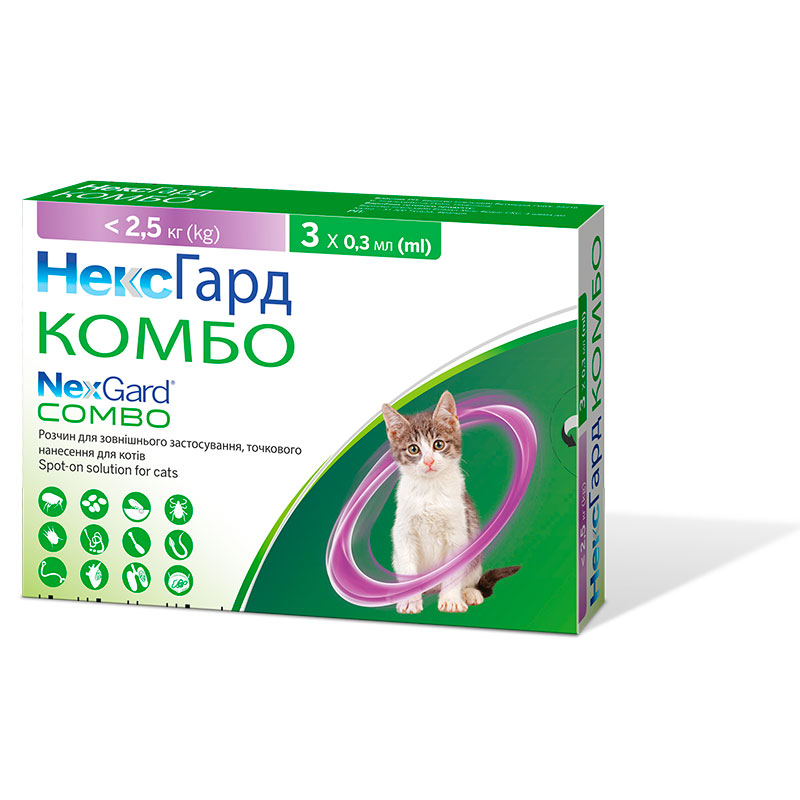
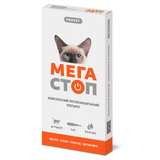
NexGard Combo — spot-on antiparasitic drops against fleas, ticks and worms for cats
Buy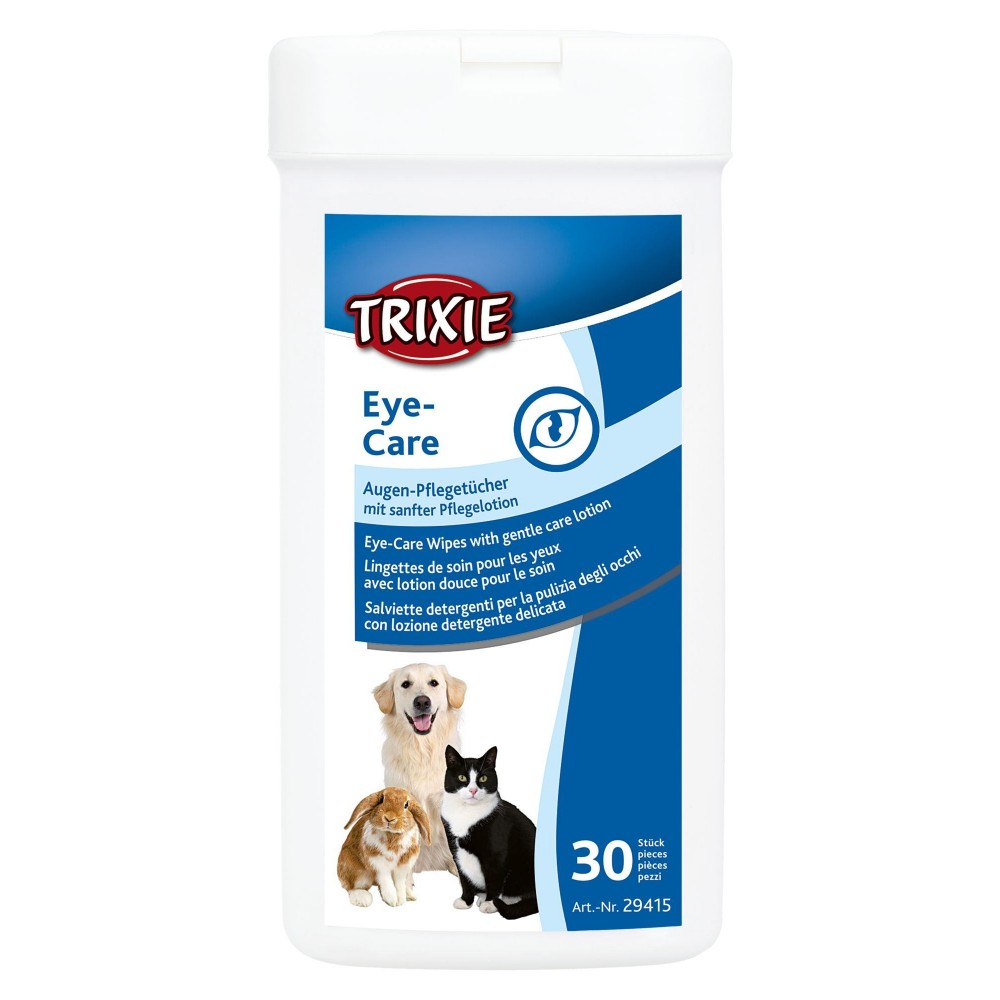
Trixie — eye care wipes for dogs and cats, 30 pcs
Buy
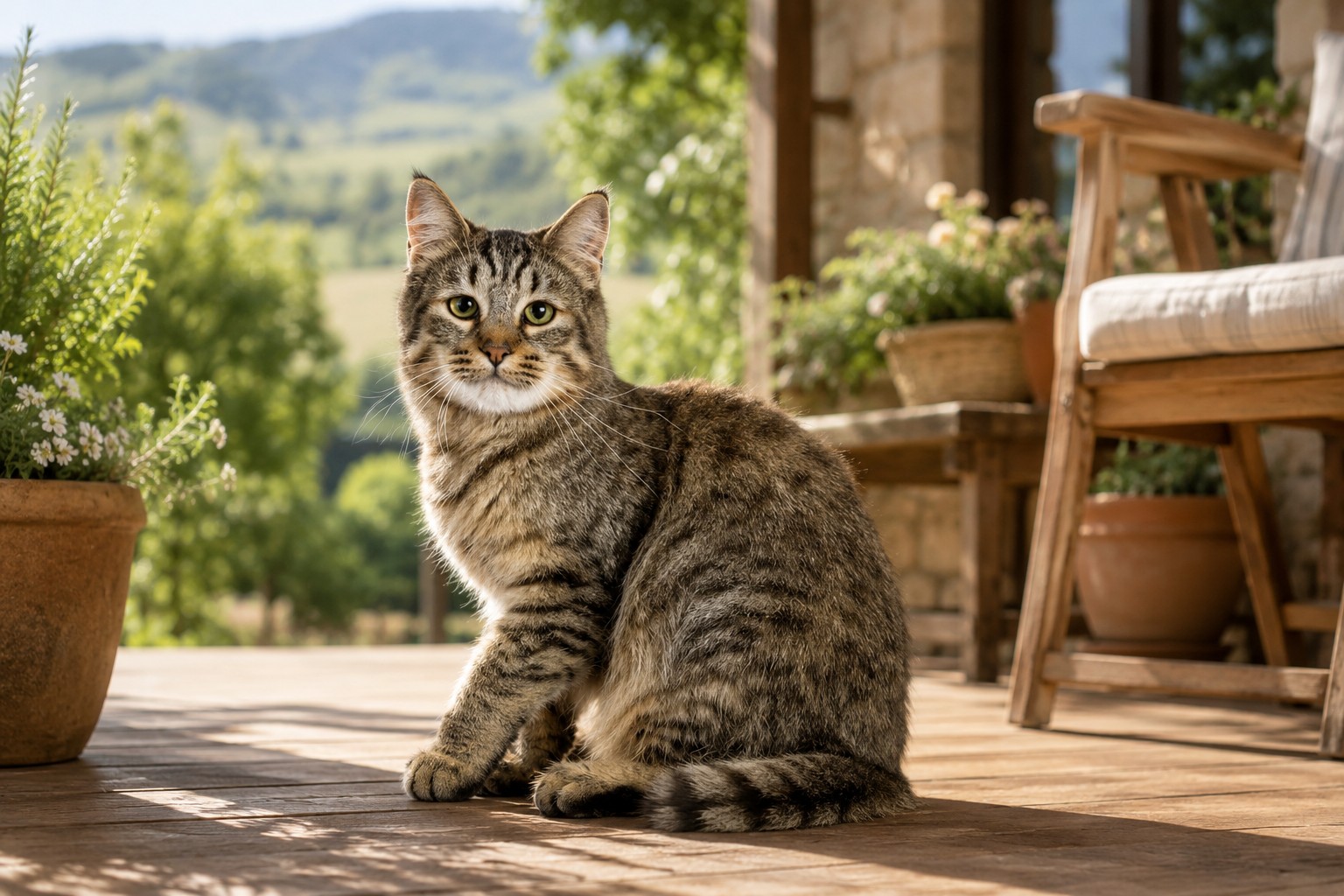
For a pixiebob, movement, strong muscle tone, paw control and daily interaction with people are most important
Health and nutrition
Overall, pixiebobs are considered healthy and hardy cats. This is partly because the breed was developed not as an extremely decorative type, but as a functional one. However, this does not eliminate the need to monitor weight, joints, paw condition and the overall fitness of the animal.
Due to their large size and good muscle mass, a pixiebob needs a diet with sufficient animal protein. But it is important not to overfeed such a cat. Excess weight creates unnecessary strain on the joints, spine and paws, which is especially undesirable for a massive breed.
Some sources also mention the sensitivity of some pixiebobs to certain medications, so preventive schemes, deworming and other veterinary matters are better coordinated with a veterinarian who carefully evaluates the individual characteristics of the animal.
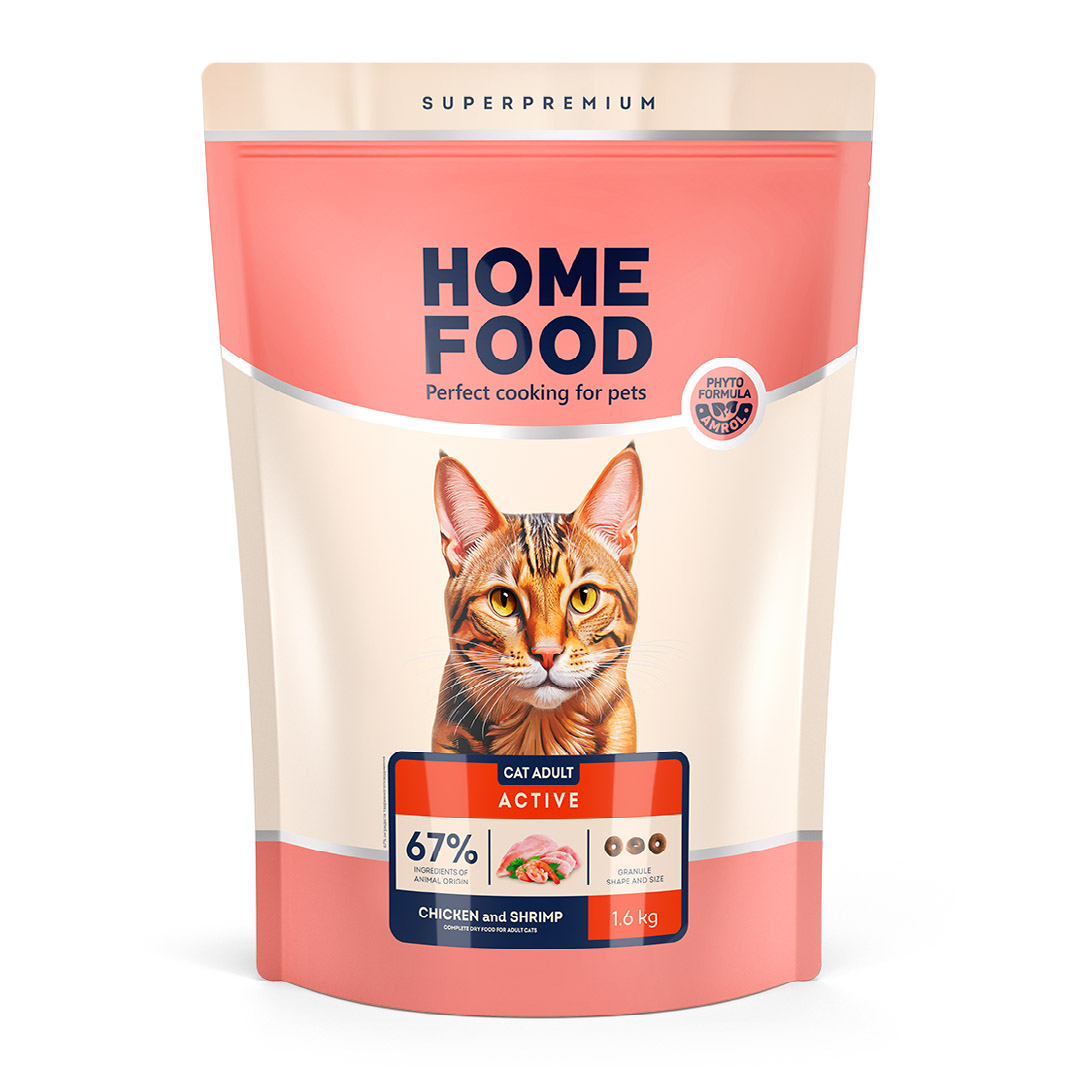
HOME FOOD For active — dry food for active adult cats, chicken and shrimp
Buy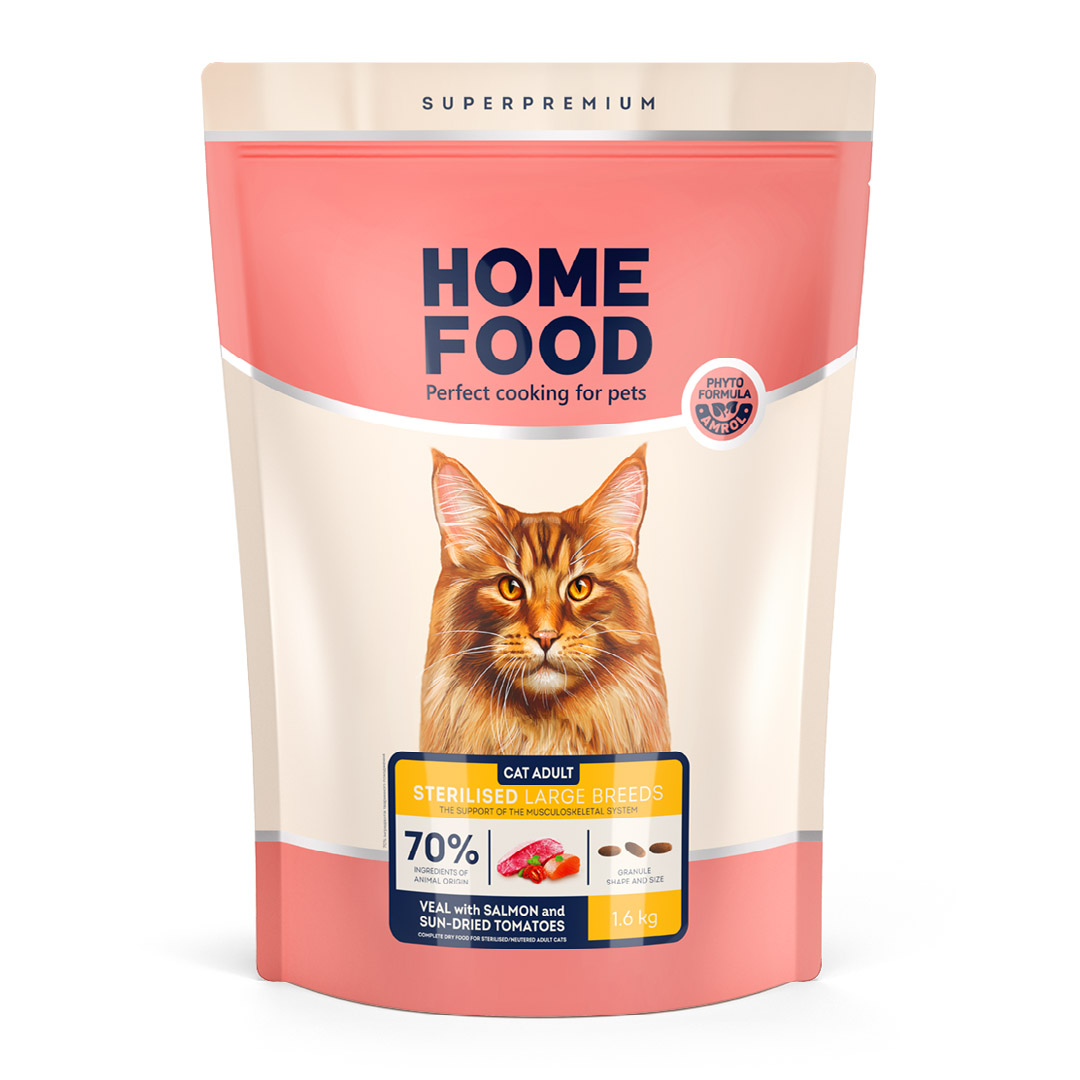
HOME FOOD For the support of the musculoskeletal system — dry food for musculoskeletal system support for spayed/neutered adult cats of large breeds, veal with salmon and sun-dried tomatoes
Buy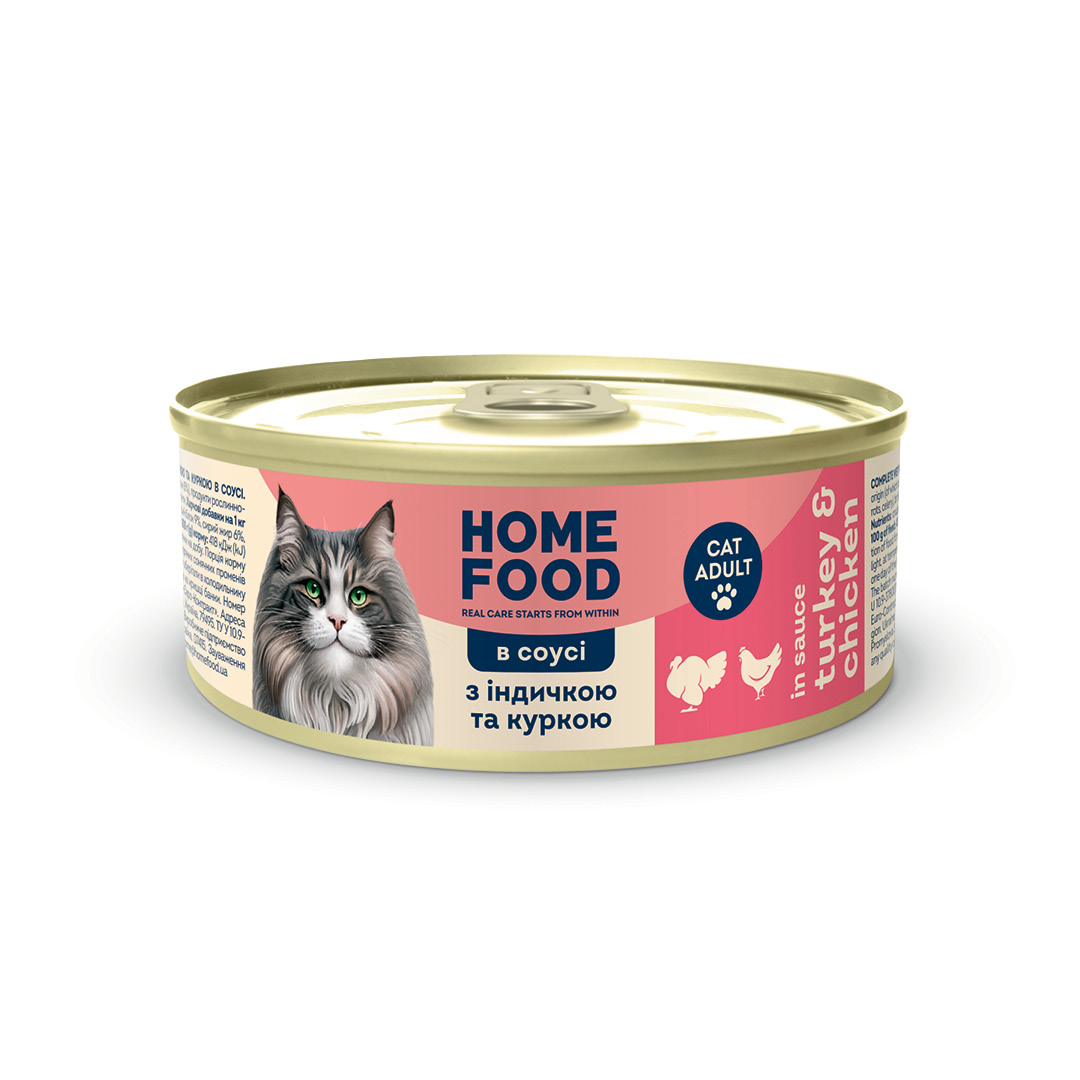
HOME FOOD — complete canned food for adult cats with turkey and chicken in sauce
Buy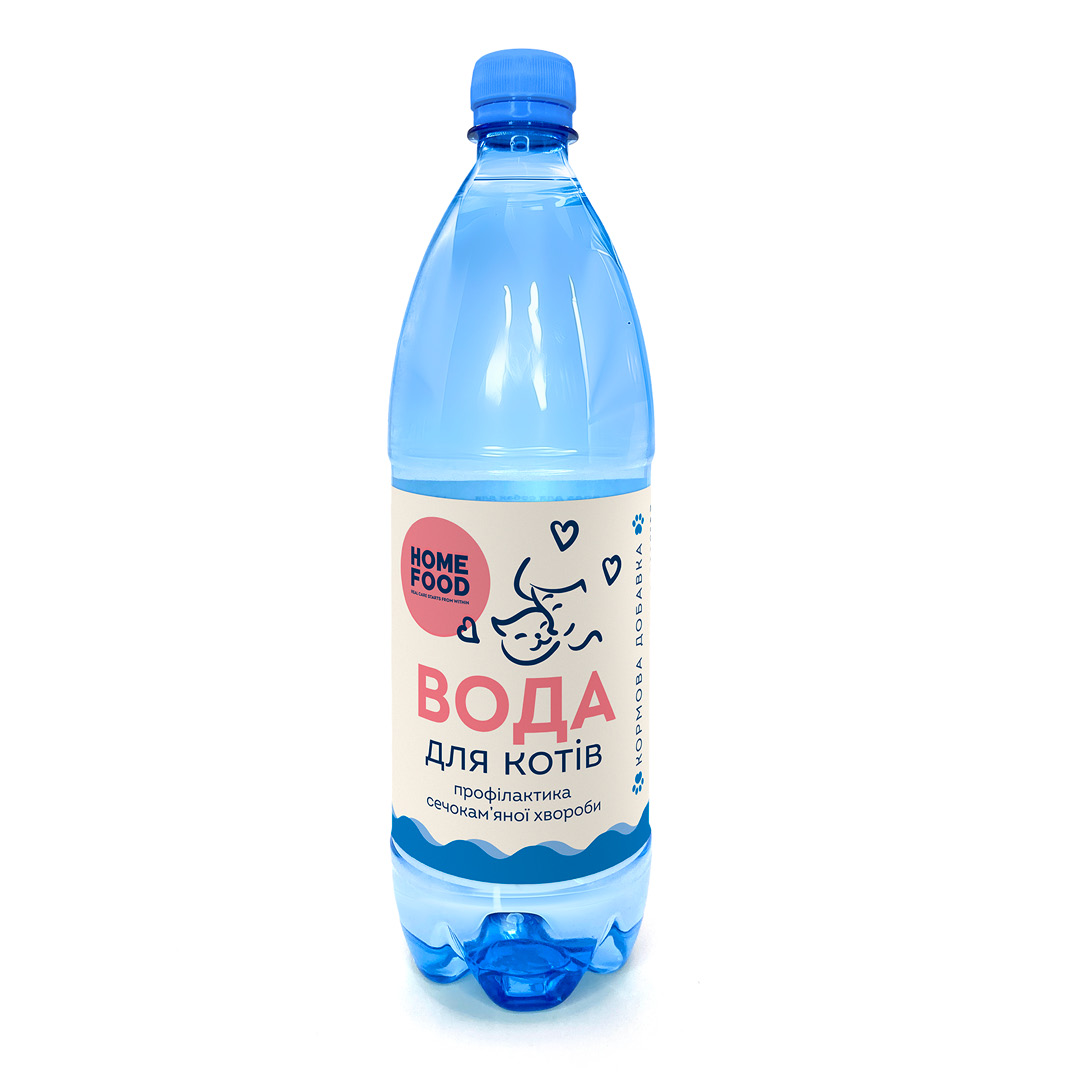
HOME FOOD — drinking water for cats to help prevent urinary stone disease, 1 l
Buy
Pros and cons of the breed
Before choosing a pixiebob, it is important to evaluate not only its exotic appearance, but also the real needs of this social and active breed.
- The advantages include loyalty, high intelligence, friendliness and striking appearance.
- Pixiebobs often get along well with children, cats and dogs.
- The disadvantages include the need for an active environment, paw control and regular mental stimulation.
- The breed is not very suitable for people who want a maximally independent and passive cat.
Similar breeds
Pixiebobs are sometimes compared to Maine Coons or Kurilian Bobtails because of their strong build, shorter tail and the impression of a "forest" cat. But the pixiebob has its own type: characteristic muzzle shape, polydactyl allowance and a specific balance between lynx-like appearance and the behavior of a very devoted home companion.
Conclusion
The pixiebob is a breed for those who want to have a cat with a striking appearance at home, but with a soft and very humane character. It looks like a wild animal, but behaves like an attentive, intelligent and calm family member.
If you combine sufficient activity, proper diet, regular paw and coat care and daily communication, a pixiebob can become an extraordinarily harmonious and devoted companion for many years.