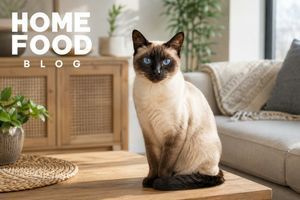
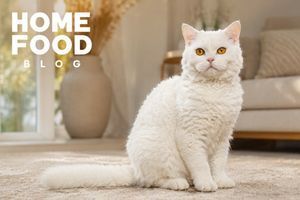
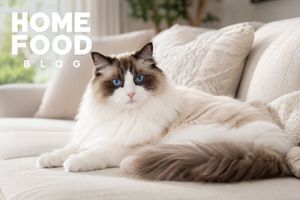
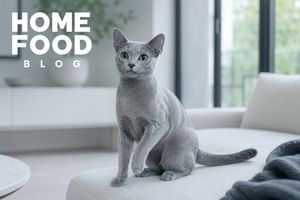
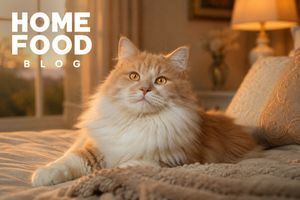
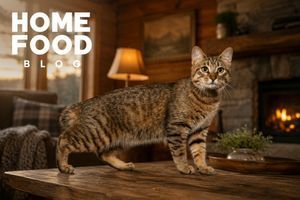
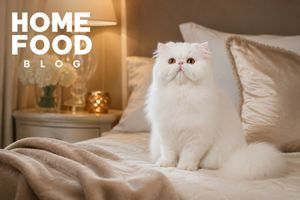
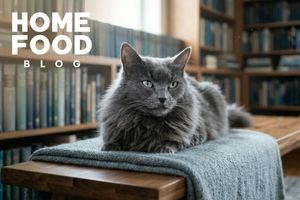
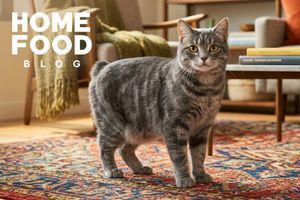
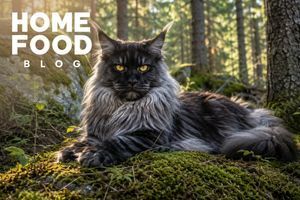
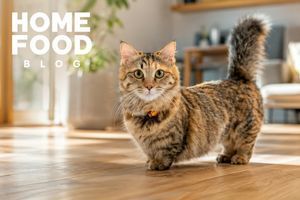
The Scottish Straight is a charming pet with expressive eyes, a soft coat, and a balanced temperament. In appearance, it resembles the Scottish Fold, but differs in its straight ears, which give the face a uniquely open and naturally harmonious look. Representatives of this breed are valued for their friendliness, intelligence, and ability to easily adapt to family life.
But is the Scottish Straight suitable for apartment living, how attached does it become to its owners, and is it difficult to care for? In this article, we will break down the features of the Scottish Straight's appearance and character, discuss its nutrition, health, and care, as well as discover what to look for when choosing a kitten.
Brief breed characteristics
| Origin | Scotland, United Kingdom |
| Other name | Scottish Straight |
| Coat type | Shorthair; there is also a longhair variety, the Scottish Straight Longhair |
| Size | Medium |
| Weight | Usually around 3–5 kg, males are often larger than females |
| Body shape | Rounded, solid, muscular, well-proportioned |
| Head | Rounded, with full cheeks and well-defined whisker pads |
| Ears | Erect, medium or small in size, set wide apart, with rounded tips |
| Eyes | Large, round, set wide apart |
| Coat | Short, dense, soft, with a well-developed undercoat |
| Colors | Diverse: solid, tabby, tortoiseshell, bicolor, colorpoint, and others |
| Temperament | Balanced, curious, social, unobtrusive |
| Activity level | Moderate |
| Lifespan | Can be 11–15 years or more with proper care |
| Care requirements | Regular grooming, weight control, care for eyes, ears, claws, and teeth |
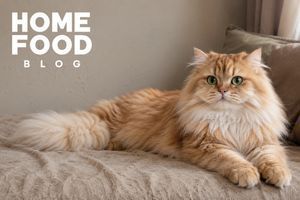
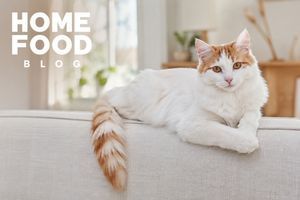
The Scottish Straight is easy to recognize by its rounded head, large expressive eyes, and small, upward-pointing ears. Visually, it resembles a plush toy, but behind its soft appearance lies a fully independent feline nature: Scottish Straights are curious, clever, and adapt well to living alongside humans.
Breed history
The history of the Scottish Straight is inextricably linked with the Scottish Fold. The starting point for the formation of the Scottish group is considered to be the appearance of a cat with unusually folded ears in Scotland in the early 1960s. Breeders subsequently began working with the offspring of such animals, aiming to fix the distinct physical features while preserving the cats' health.
Over time, it became clear that straight ears are a normal phenotype variant within this breed group, and straight-eared kittens could be used in breeding programs. Initially, they received less attention, as ears folded forward were considered the main distinguishing trait. However, it eventually became evident that a straight ear is not a flaw, but a natural part of the Scottish group's genetic diversity.
This was of fundamental importance for breeding. The folded ear shape is associated with a dominant variant of the TRPV4 gene, which is also linked to Scottish Fold osteochondrodysplasia. For this reason, breeding work relies on genetic testing rather than visual inspection of the ears alone. Straight ears by themselves do not always reliably determine an animal's genotype.
In the TICA system, the Scottish Straight belongs to the Scottish breed group and represents its straight-eared variety. Both shorthair and longhair straight-eared cats exist – Scottish Straight and Scottish Straight Longhair.
Appearance
The primary impression of the Scottish Straight is roundness. The head, eyes, facial contours, and paws form a soft, harmonious silhouette without sharp lines. At the same time, the body should not appear heavy or clumsy.
The body in these cats is medium-sized, solid, and well-developed. The back and chest are fairly broad, and the limbs are proportional to the body and of medium length. The paws are rounded with neatly compact toes. The tail is of medium to substantial length, flexible, and proportional to the body. Special attention is paid to its mobility: it must not be stiff or deformed.
The head is rounded, with a strong chin and well-developed cheeks. In adult males, the cheeks are usually more prominent, making the face appear broader. The nose is short and fairly wide, with a smooth profile. The whisker pads are rounded, further emphasizing the characteristic shape of the face.
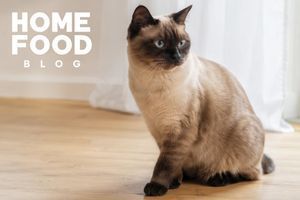
The ears are the most obvious feature distinguishing the Scottish Straight from the Fold. They are erect, set wide enough apart, and should not disrupt the rounded contour of the head. The tips are gently rounded, and the size may vary within the breed standard. The ears are covered with short hair.
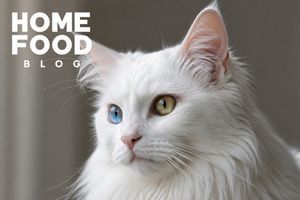
The eyes are large and round, set wide apart. Thanks to this placement, the gaze appears open and expressive. The iris color depends on the coat color. In pedigree cats, it must meet the standard requirements for that specific coat color.
The coat of a shorthair Scottish Straight is thick, soft, and dense, with a developed undercoat. It should not lie flat against the body: it is precisely this density that gives the coat its characteristic "plush" texture. The longhair variety is known as the Highland Straight. It has a longer and softer coat, and grooming it requires more time.
A wide variety of colors and patterns is permitted for Scottish Straights. These include solid, tabby, tortoiseshell, bicolor, colorpoint, and other variations. Therefore, color is not the primary criterion for evaluating breed type.
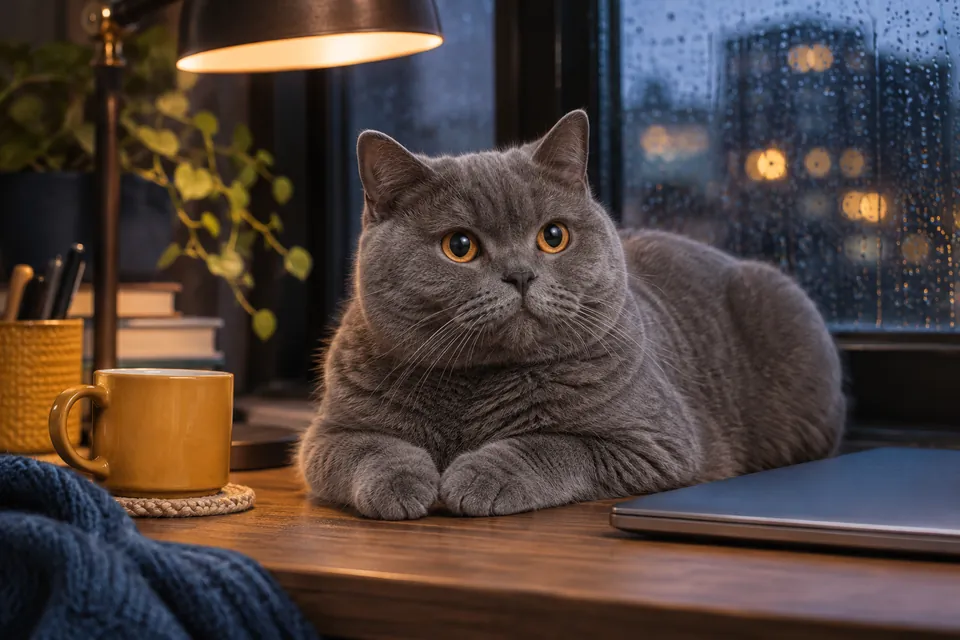

Round shapes and full cheeks make the Scottish Straight look like a plush toy
Temperament
The Scottish Straight usually combines calmness with a lively interest in its surroundings. Such a cat can rest in its favorite spot for hours, then suddenly join in play or set off to explore a new room. It is this ability to switch between rest and activity that makes the breed so comfortable for home life.
Representatives of the breed generally get along well with people and can form strong attachments to their families. However, they do not constantly need to be held. Many prefer lying nearby, following their owner around the apartment, or observing activities from a short distance.
Not all Scottish Straights should be considered equally calm or, conversely, highly active. Temperament depends on the individual animal, its age, experience interacting with humans, and living conditions. One cat may be a true explorer, while another is a more cautious observer. In both cases, having the option to choose their own social distance is important.
Scottish Straights usually get along well with children, provided the child understands how to handle animals properly. The same applies to other pets: introductions should be gradual, without forcing interaction or expecting the animals to become instant close friends.
Behavior and intelligence
Scottish Straights are capable of mastering household rules through consistent guidance. A kitten can be systematically trained to use the litter box, scratching post, and follow a feeding schedule. More important than punishing unwanted behavior is a clear system: a suitable location, consistency, and rewarding the desired response.
Play helps maintain not only physical fitness, but also the cat's interest in its environment. Feather wands, balls, interactive toys, and puzzle feeders allow you to give your pet various engaging tasks.
Health
Most Scottish Straights do not carry the TRPV4 variant associated with the folded ears of the Scottish Fold. However, ear shape alone cannot reliably determine the genotype, which is why genetic testing is essential in breeding work. Therefore, risks characteristic of the Scottish Fold should not be automatically applied to all Scottish Straights. At the same time, ear shape itself is not a substitute for genetic testing.
Like other cats, Scottish Straights are susceptible to health conditions that can occur across various breeds. TICA specifically recommends considering the risk of hypertrophic cardiomyopathy and polycystic kidney disease during veterinary and genetic screening.
As with other domestic cats, Scottish Straights may develop dental, ocular, digestive, and urinary system conditions. These issues should not be considered breed-specific traits.
Prevention includes scheduled vaccinations, regular parasite treatments, veterinary check-ups, and weight management. If there are changes in appetite, water intake, urination, activity, or behavior, you should not try to determine the cause on your own – it is best to consult a veterinarian.
Physical activity
The Scottish Straight does not require hours of intense exercise, but a completely sedentary lifestyle is not suitable for it. Short daily play sessions help maintain muscle tone and prevent boredom. Games where the cat can chase a toy, search for an object, or solve a simple task are especially beneficial. Exercise intensity should be tailored to the cat's age and physical condition.
Nutrition
Controlling food intake is particularly important for the Scottish Straight. Due to its rounded body shape, a slight weight gain is not always easy to notice visually, so body condition is best assessed not only by appearance, but also by weight dynamics and body condition scoring.
The diet should match the cat's age, activity level, and health status. When feeding complete commercial pet food, it is important to follow the manufacturer's recommended feeding guidelines and factor in the calories from treats. Free-choice feeding does not suit every cat, especially those prone to overeating.
A natural diet also requires careful formulation. Simply combining meat, porridge, and vegetables is not enough: the diet must meet the cat's requirements for protein, fats, essential amino acids, vitamins, and minerals. When transitioning to a homemade diet, it is advisable to consult a veterinary nutritionist.
Water is of special importance. The cat must have constant access to fresh drinking water. If your pet consumes mostly dry food and drinks little water, discuss ways to increase fluid intake with your veterinarian.


HOME FOOD dry food for adult British and Scottish breed cats “Turkey and duck”, 1.6 kg
Buy
HOME FOOD For sterilised/neutered — dry food for sterilised/neutered adult cats, rabbit and cranberry
Buy
HOME FOOD dry food for healthy skin and a shiny coat for adult cats Turkey and salmon, 1.6 kg
Buy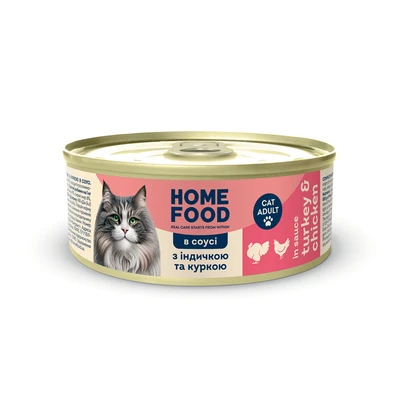
HOME FOOD — complete food for adult cats with turkey and chicken in sauce
Buy
Care
The shorthair Scottish Straight does not require complex grooming routines. Usually, regular brushing is sufficient to remove loose hair and keep the coat in good condition. During shedding periods, the frequency of brushing can be increased. Highland Straights require more thorough grooming due to their longer hair.
Bathing should be done as needed rather than on a strict schedule. Use products specifically formulated for cats. After washing, it is important to dry the coat thoroughly and prevent chilling.
Claws should be trimmed as they grow if the cat does not wear them down naturally. Ears should be inspected periodically, but deep cleaning is unnecessary unless required. Eyes should be checked regularly. Small amounts of normal discharge can be removed with a soft, clean cloth, but if there is redness, excessive tearing, or changes in discharge, consult a veterinarian.
Teeth also require attention. Gradual acclimatization to brushing with a specialized toothbrush and toothpaste helps maintain oral hygiene. Additional care products should be selected based on your veterinarian's recommendations.
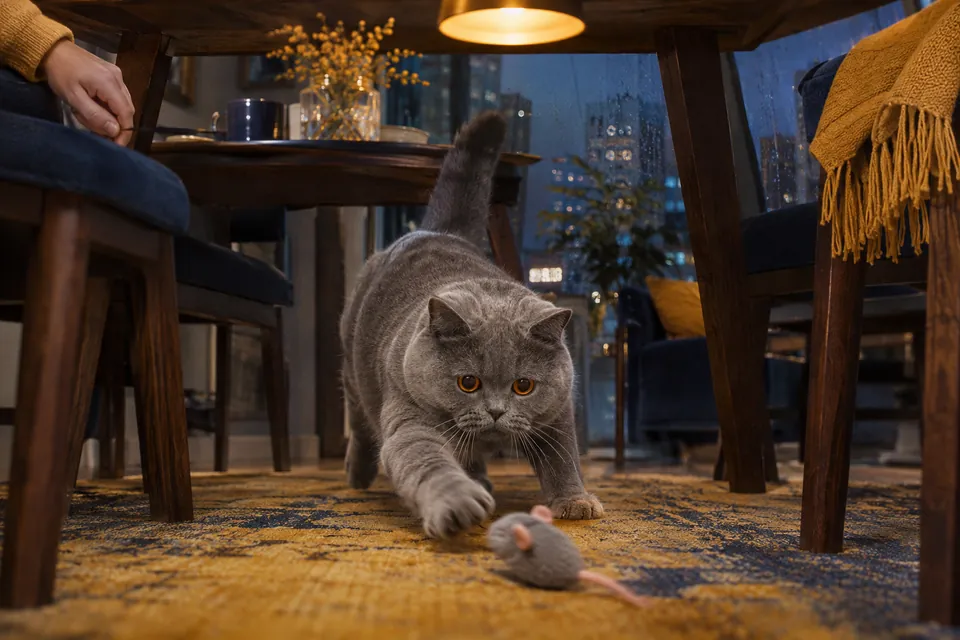
A balanced temperament suits a calm home routine