Cranberry, bilberry, rosehip, turmeric… Today, these ingredients are appearing increasingly often in foods for dogs and cats. Some manufacturers call them superfoods, while others call them functional ingredients. But do they truly benefit animals, or are they merely attractive words on the packaging?
In fact, there is no official scientific definition of the term “superfood”. In modern nutrition science, it generally refers to foods rich in natural bioactive compounds: polyphenols, flavonoids, anthocyanins, carotenoids, organic acids and other components capable of supporting the body’s normal functioning. It is therefore more accurate to speak not of “miracle foods”, but of functional ingredients in pet food.
Unlike essential nutrients — proteins, fats, carbohydrates, vitamins and minerals — superfoods are not indispensable components of the diet. However, they can supplement it with natural antioxidants and other bioactive compounds, supporting physiological processes in the body.
Why is there so much discussion about antioxidants today?
One of the most widely discussed topics in modern veterinary medicine is oxidative stress. It occurs when the body produces more free radicals than its own antioxidant system can neutralise. As a result, cell membranes, proteins, DNA and mitochondria are damaged, ageing processes accelerate, immune system efficiency declines and the risk of chronic disease increases.
Ageing, obesity, chronic inflammatory processes, environmental pollution, stress, intensive physical activity and an unbalanced diet all contribute to increased oxidative stress. This is why veterinary nutrition has increasingly embraced the concept of functional nutrition in recent years, using selected plant ingredients as natural sources of antioxidants.

It is more accurate to speak not of “miracle foods”, but of functional ingredients in pet food
Cranberry for cats: natural support for the urinary system
Cranberry (Vaccinium macrocarpon) is one of the most extensively studied functional ingredients in veterinary nutrition. Its value lies not in a high vitamin content, but in a complex of bioactive substances — A-type proanthocyanidins (PAC-A), anthocyanins, flavonoids and phenolic acids — that provide antioxidant and protective effects.
The best-known property of cranberry is its support for lower urinary tract health. Proanthocyanidins can reduce the adhesion of certain bacteria, including Escherichia coli, to the bladder lining. It is important to understand that cranberry is not an antibiotic and does not treat infections, but it helps support the urinary system’s natural defence mechanisms.
Its antioxidant action is equally important. Polyphenols and anthocyanins neutralise excess free radicals.
Is cranberry beneficial for cats?
Yes, especially for neutered cats, which face a higher risk of lower urinary tract disorders after surgery and experience changes in metabolic intensity.
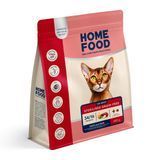
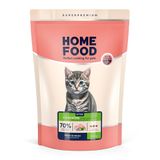
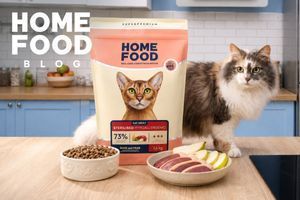
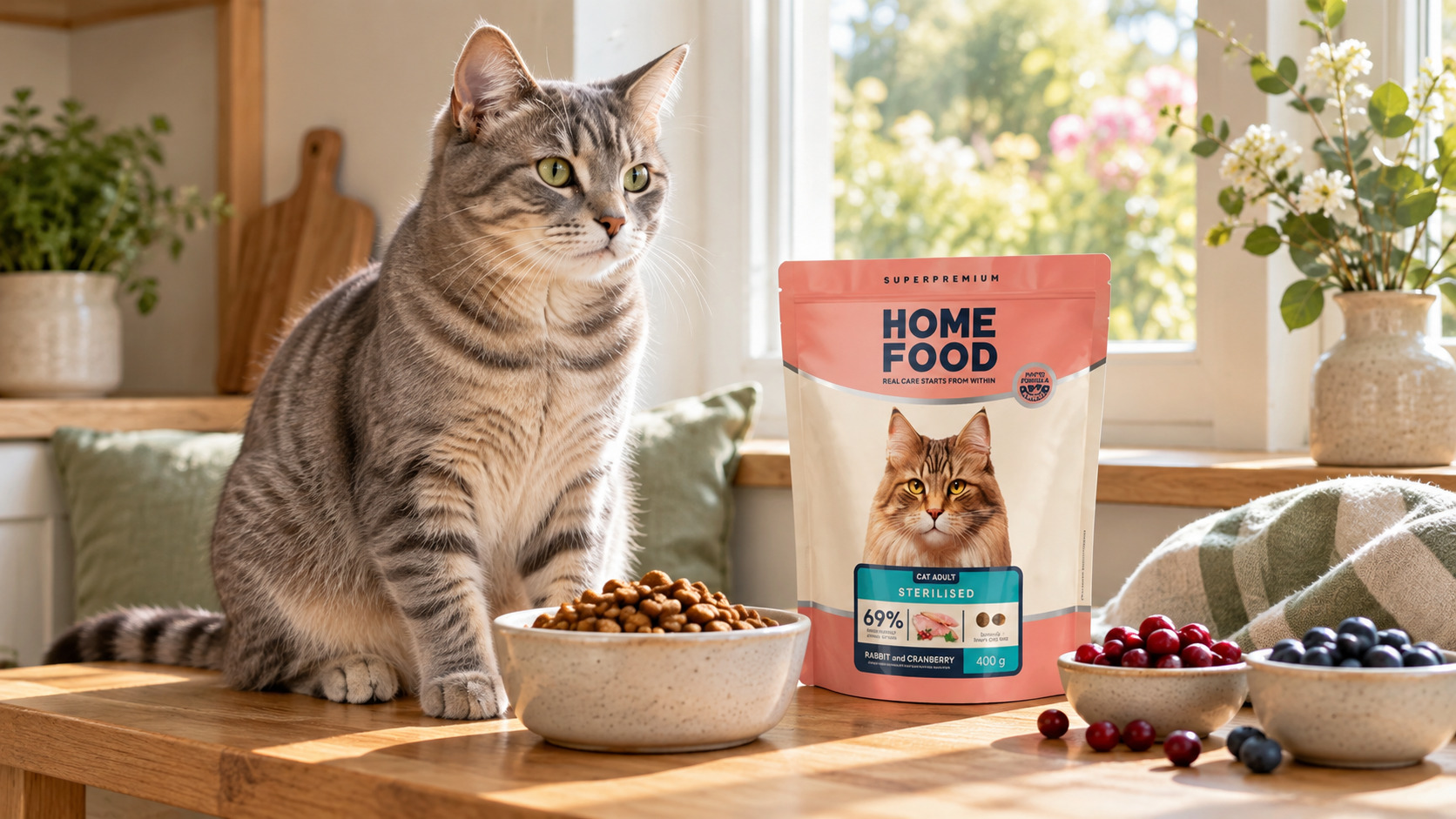
In the HOME FOOD “Rabbit and cranberry” recipe for sterilised and neutered cats, cranberry is combined with a balanced mineral profile, controlled magnesium levels and L-methionine. This comprehensive approach helps support urinary health, the body’s antioxidant status and the animal’s overall physiological well-being.
Cranberry is associated primarily with urinary health. Another well-known berry — bilberry — is valued for entirely different properties. Its main advantage is its exceptionally high anthocyanin content: natural antioxidants that support eye, vascular and nervous system health.
Bilberry and blueberry — a natural antioxidant complex for dogs and cats
Bilberry (Vaccinium myrtillus) and blueberry (Vaccinium corymbosum) are among the richest natural sources of anthocyanins, polyphenols and flavonoids. These bioactive compounds give the berries their characteristic blue-purple colour and powerful antioxidant potential. Phenolic acids, carotenoids, natural organic acids and other phytonutrients complement this complex and work synergistically.
The principal biological feature of bilberries and blueberries is their protection of tissues with a high metabolic rate. Anthocyanins help maintain cell membrane integrity, promote normal microcirculation, reduce lipid peroxidation and help neutralise excess free radicals. This is why these berries are now regarded as important natural sources of antioxidants that support the health of the eyes, blood vessels, nervous system and immune system.
For dogs, a regular intake of bilberry and blueberry polyphenols provides additional support for the body’s antioxidant system, especially in old age, during intense physical activity or while recovering from illness.
Antioxidant protection is no less important for cats. After sterilisation, metabolism slows, while the risk of excess body weight and chronic metabolic disorders accompanied by increased oxidative stress rises. This is why modern diets for sterilised cats increasingly contain natural berry complexes as an additional source of polyphenols and flavonoids.
In the HOME FOOD Hairball Control “Turkey and berries” recipe for sterilised and neutered cats, berries, including blueberry, work together with cranberry, raspberry and other plant ingredients. Combined with increased dietary fibre, L-carnitine, taurine and a balanced mineral profile, they support the body’s antioxidant protection, natural immune response mechanisms, skin and coat health, and complement a comprehensive programme for weight control and the elimination of swallowed hair from the gastrointestinal tract.

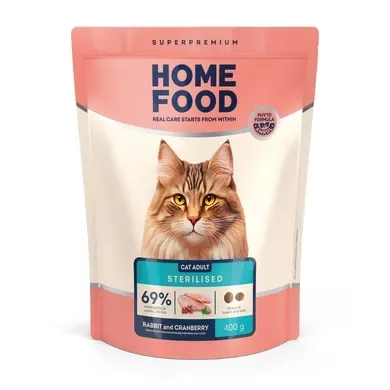
HOME FOOD dry food for sterilised/neutered adult cats “Rabbit and cranberry”, 400 g
Buy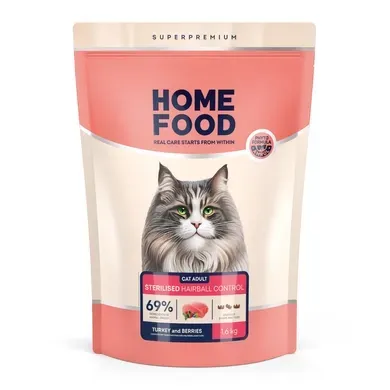
HOME FOOD dry food for removing hair from the stomach of sterilised/neutered adult cats “Turkey and berries” Hairball Control, 1.6 kg
Buy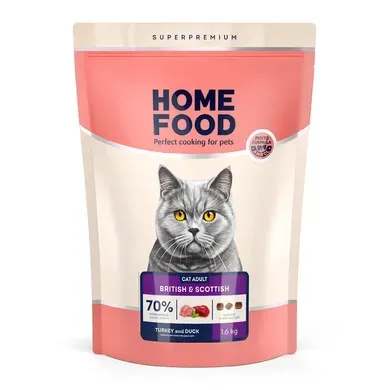
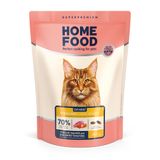
HOME FOOD dry food for adult British and Scottish cats “Turkey and duck”, 1.6 kg
Buy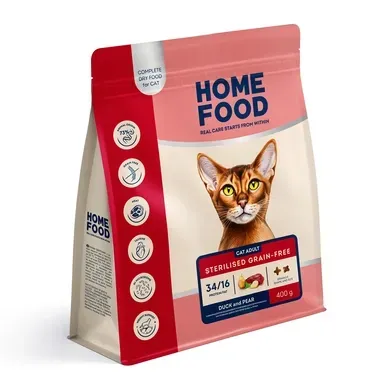
HOME FOOD grain-free dry food for sterilised/neutered adult cats “Duck and pear”, 400 g
BuyThe antioxidant action of bilberries and blueberries is primarily associated with their high anthocyanin content. However, some plants have a much broader range of biological activity. One of these is rosehip — a natural source of polyphenols, carotenoids, galactolipids and vitamin C that supports not only the body’s antioxidant protection, but also the health of connective tissue, joints and the immune system.
Rosehip — natural support for immunity, joints and connective tissue
Rosehip (Rosa canina) is one of the most valuable functional ingredients in modern nutrition science. Unlike many other berries, its benefits are determined not by a single component, but by a combination of polyphenols, flavonoids, carotenoids, galactolipids, organic acids and natural vitamin C. This complex provides a broad spectrum of biological activity and powerful antioxidant potential.
How does rosehip benefit dogs?
For dogs, rosehip is of greatest interest as a component of diets for active, large and senior animals. Constant strain on the musculoskeletal system, age-related joint changes and high levels of physical activity are accompanied by increased free-radical formation. Rosehip’s bioactive substances support the body’s natural antioxidant defences, connective tissue health and normal joint function, complementing the action of glucosamine, chondroitin and Omega-3 fatty acids.
How does rosehip benefit cats?
For cats, especially sterilised and neutered animals, rosehip is primarily a source of natural antioxidants. It helps support normal immune system activity, protects cells from oxidative stress and complements a complex of functional ingredients aimed at maintaining healthy metabolism.
In HOME FOOD recipes, rosehip shells are used as part of functional botanical formulas and work in combination with other natural antioxidants. One clear example is HOME FOOD grain-free “Duck and pear” food for sterilised and neutered cats, in which rosehip is combined with cranberry, chia seeds, milk thistle, amaranth, flax and other plant ingredients. This composition supplies the body with a variety of polyphenols, flavonoids, carotenoids and other natural antioxidants that complement one another.
This is particularly relevant for sterilised cats because after neutering metabolic intensity decreases, the risk of excess body weight rises and susceptibility to chronic low-grade inflammation increases. Under these conditions, functional plant ingredients do not replace complete nutrition or veterinary treatment, but they help support natural antioxidant defences, normal immune system function and overall metabolic health.
Cranberry, bilberry, blueberry and rosehip share one important property — a high content of natural antioxidants that help support the body’s own defence system against oxidative stress. However, some functional ingredients work somewhat differently. They not only neutralise free radicals, but can also influence the molecular mechanisms involved in the inflammatory response.
Turmeric is one such ingredient.
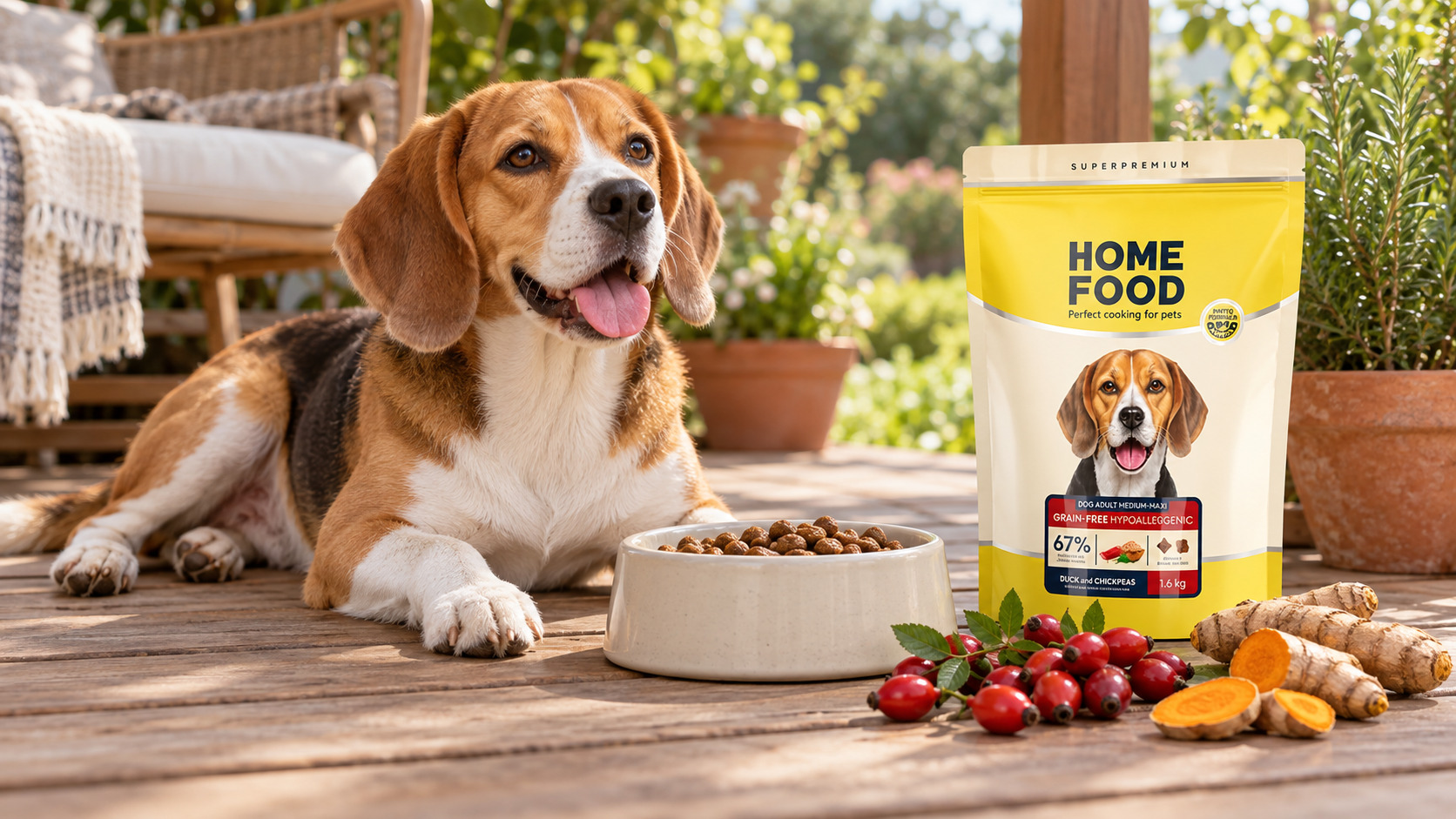
Functional plant ingredients do not replace complete nutrition or veterinary treatment, but they help support natural antioxidant defences
Turmeric — natural support for antioxidant protection and the physiological inflammatory response
Turmeric (Curcuma longa) is one of the most extensively studied functional ingredients in modern nutrition science. Its main bioactive substance is curcumin, a natural polyphenol that, together with other curcuminoids and essential oils, forms a powerful complex of antioxidant compounds.
Unlike most plant antioxidants, curcumin not only neutralises free radicals but also participates in the regulation of cellular signalling pathways associated with the physiological inflammatory response. This is why it has become the subject of numerous studies in veterinary medicine in recent years. Turmeric is of greatest interest for supporting joint and musculoskeletal health, normal recovery after physical activity and the body’s overall antioxidant status.
Is turmeric beneficial for dogs?
For dogs, turmeric is primarily a functional dietary ingredient. It is particularly relevant for large breeds, active animals, sporting dogs and older dogs, when the natural level of oxidative stress gradually increases.
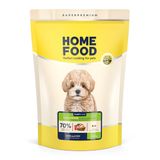
This is why turmeric is used as one component of a comprehensive functional formula in HOME FOOD grain-free diets for adult dogs of small, medium and large breeds. Combined with Omega-3 fatty acids, glucosamine, chondroitin, chia seeds, milk thistle, amaranth, flax, spinach and other plant ingredients, it forms a multi-level support system for the body. This approach delivers not the effect of a single “superfood”, but a synergistic effect of functional ingredients aimed at supporting joint health, normal metabolism, antioxidant protection and the dog’s overall physiological well-being.

HOME FOOD grain-free dry food for adult small-breed dogs “Duck and turkey”, 1.6 kg
Buy
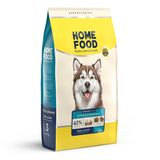
HOME FOOD grain-free dry food for adult medium- and large-breed dogs “Duck and chickpeas”, 1.6 kg
Buy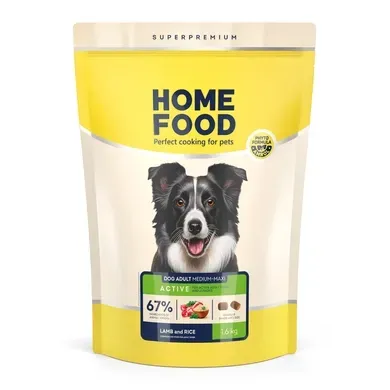
HOME FOOD dry food for active adult and junior medium- and large-breed dogs “Lamb and rice”, 1.6 kg
Buy
HOME FOOD “Healthy skin and shiny coat” dry food for adult medium-breed dogs “Turkey and salmon”, 1.6 kg
Buy
Do superfoods work in the quantities found in prepared pet food?
The answer is yes, but not in the way advertising often portrays it.
A complete pet food is not a veterinary medicine or a dietary supplement. Its primary purpose is to supply the body with all essential nutrients every day and support the normal course of physiological processes. This is why the amount of functional ingredients in pet food is substantially lower than in specialised supplements or medicines.
However, this does not mean that superfoods do not work. On the contrary, their main advantage lies in the regular intake of small quantities of bioactive substances as part of the everyday diet.

The answer is yes, but not in the way advertising often portrays it
Frequently asked questions
Are superfoods beneficial in food for dogs and cats?
Yes, when they are regarded as functional ingredients rather than medicines. Cranberry, bilberry, rosehip, turmeric and other plant ingredients contain polyphenols, anthocyanins, flavonoids and carotenoids that help support the body’s antioxidant protection and complement a balanced diet. They provide the greatest benefit when consumed regularly as part of a complete pet food.
Can cranberry cure cystitis or urolithiasis in a cat?
No. Cranberry is not a medicine and cannot replace veterinary treatment. Its value lies in its high content of proanthocyanidins and other polyphenols that support the natural defence mechanisms of the lower urinary tract. It is most effective as part of a comprehensive diet.
Does turmeric work for dogs’ joints?
Turmeric contains curcumin, a natural polyphenol that participates in regulating the physiological inflammatory response and has antioxidant properties. In a complete pet food, its role is to support musculoskeletal health, not to treat joint disease.
Why are berries added to food for carnivorous animals?
Dogs and cats remain carnivorous animals, but a small amount of functional plant ingredients does not conflict with their physiology. Berries are a source of natural antioxidants, polyphenols and flavonoids that are virtually absent from meat ingredients. They are therefore used to supplement the diet with bioactive compounds, not as a source of essential nutrients.
Superfoods are not a marketing miracle or a universal cure. Their true value lies in their high content of natural bioactive substances that support physiological processes in the body and complement the action of the diet’s essential nutritional components.
Modern veterinary nutrition is increasingly moving away from assessing individual ingredients and towards the concept of functional nutrition, where the decisive factor is not one “superfood”, but the balanced interaction of proteins, fats, minerals, vitamins, prebiotics, Omega-3 fatty acids and natural plant ingredients.
This is the principle followed in HOME FOOD recipes: each ingredient performs its own biological function, while their combination forms a comprehensive system for supporting the health of dogs and cats. After all, the best diet is not the one with the longest list of fashionable ingredients, but the one in which every component is in its proper place and works in harmony with the others.