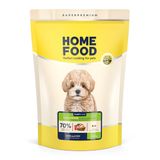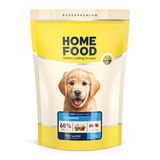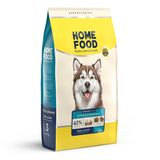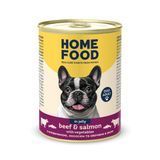
A dog's health begins not only with the right diet, but also with how that diet is stored after opening. Even high-quality food can lose taste, aroma, and nutritional value if it constantly comes into contact with air, moisture, or heat.
Proper storage helps reduce fat oxidation, slow vitamin loss, and lower the risk of mold or bacterial growth. This directly affects both feeding safety and the pet's digestive comfort.
In this article, we will look at what happens to dry and wet food after opening, how to preserve their freshness longer, and why bowl cleanliness and proper serving matter just as much as the product's composition.
Why food has different shelf life
To understand why dry and wet food behave differently after opening, it helps to briefly recall the manufacturing technology. It determines the moisture level, the product's resistance to bacteria, and how quickly it loses its properties.
Dry food
Dry food is made by extrusion: the ingredient mix is processed under pressure and heat, after which the kibble is cooled and packed. Low moisture helps restrain bacterial growth, but fats remain sensitive to oxygen, light, and heat.
Wet food
Cans and pouches undergo heat treatment in sealed packaging. While closed, this allows aroma and texture to be preserved for a long time, but after opening the high moisture content makes the food much more vulnerable to bacterial growth.
The role of formulation and brand
Premium and super-premium diets with natural ingredients and milder preservation systems often have a shorter shelf life than mass-market products with additional stabilizers. That is why it is always important to follow the manufacturer's recommendations on the specific package.
- Dry food in sealed packaging usually lasts longer thanks to low moisture.
- Wet food in a sealed can or pouch stores well before opening, but after that it needs to be used much faster.
- Shelf life depends not only on packaging, but also on formulation, moisture level, and preservation method.


HOME FOOD dry food for active adult dogs and juniors of medium and large breeds «Lamb and Rice», 1.6 kg
Buy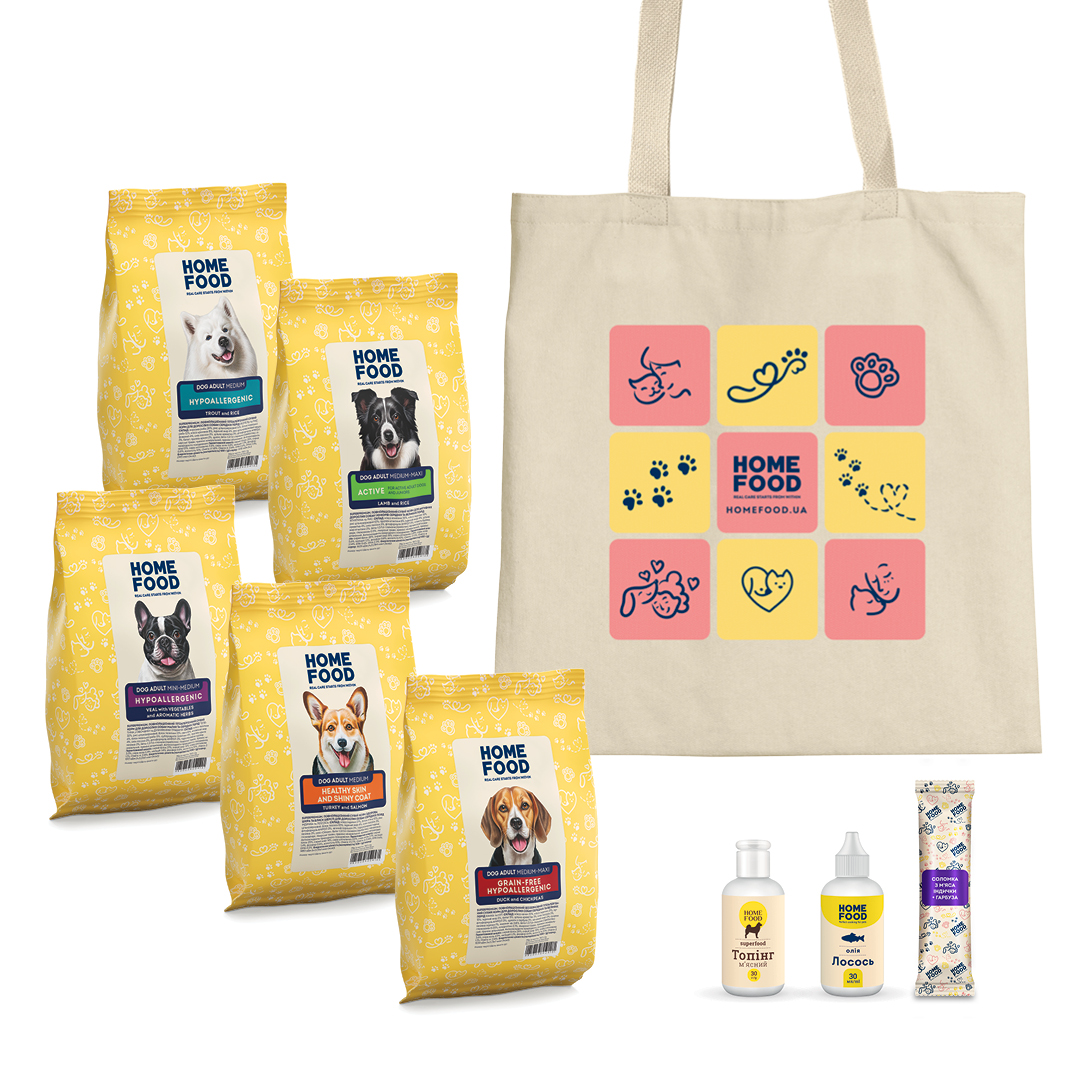
HOME FOOD tasting box for adult dogs of medium and large breeds
Buy
| Factor | Dry food | Wet food |
|---|---|---|
| Air | Fat oxidation, aroma loss | Oxidation of fats and proteins happens faster |
| Humidity | Risk of mold, bacteria, and kibble clumping | Rapid bacterial growth and mold |
| Temperature | Accelerates the breakdown of vitamins and fats | Promotes rapid spoilage |
| Light | Destroys some vitamins, especially fat-soluble ones | May change taste and color after opening |
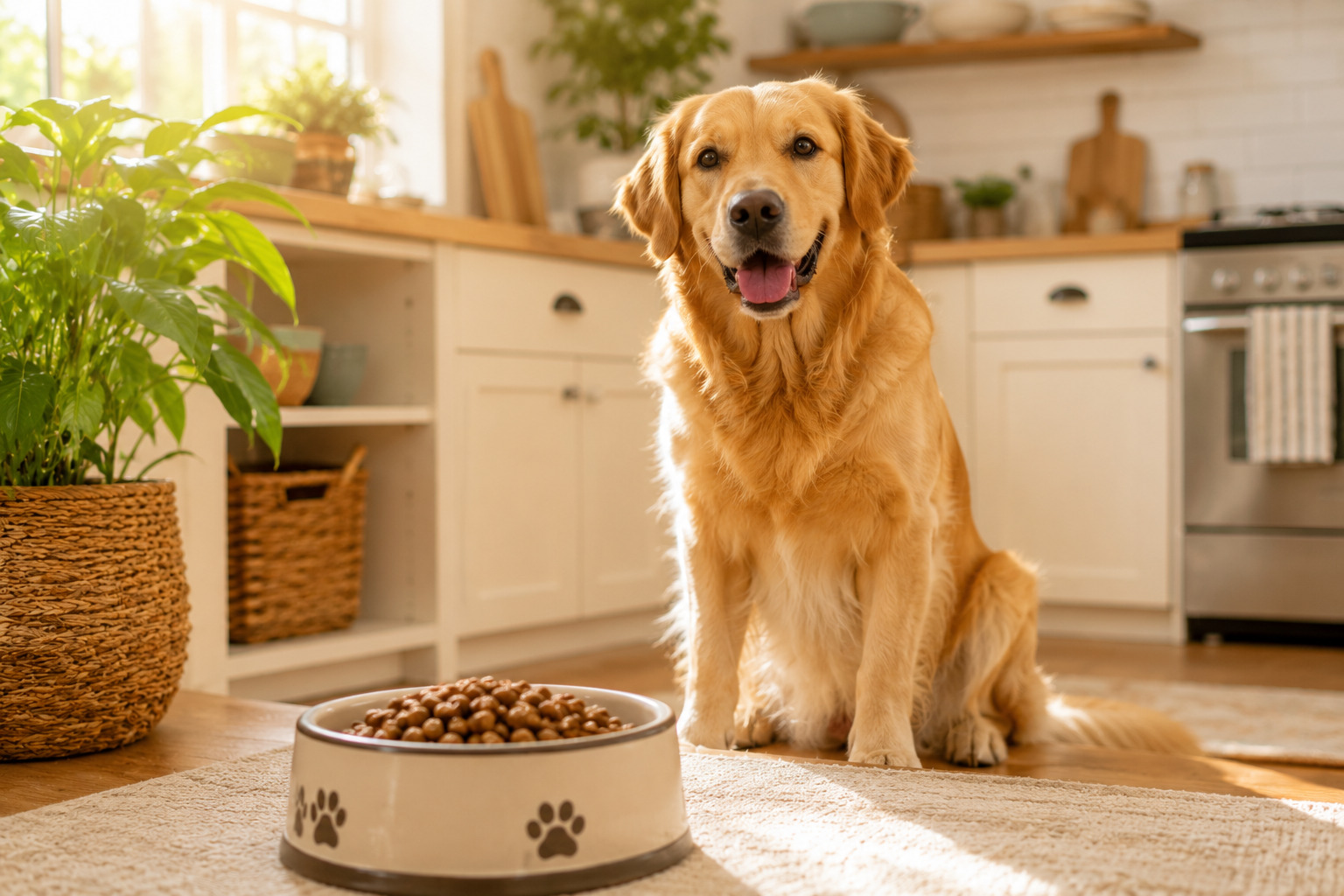
After opening the package, food loses its airtight protection, so air, moisture, temperature, and light begin to gradually change its taste, aroma, and nutritional value
How to store dry and wet food properly after opening
To keep food fresh, safe, and beneficial for the dog, it is enough to follow a few basic rules. Some of them apply specifically to dry food and some to wet food, but the general principle is the same: minimize contact with the outside environment and do not keep food open longer than necessary.
Transfer dry food to an airtight container
A tightly closed container reduces contact between the kibble and air and moisture, which slows fat oxidation. For large packs, vacuum containers are especially convenient because they limit oxygen contact even better.
Store dry food in a cool, dry place
Optimally, this means around 18–22 °C, away from direct sunlight and not next to radiators or household appliances that generate heat.
Do not leave kibble exposed for too long
Dry food easily absorbs moisture and foreign odors. For portioning, it is better to use a clean dry scoop or spoon, and the product itself should ideally be used within 6–8 weeks after opening.
Put wet food in the refrigerator right away
After opening, a can or pouch should be stored at 2–6 °C. If the package is large, it is better to transfer the remainder to a clean airtight glass or food-grade plastic container.
Do not keep opened wet food at room temperature
Without refrigeration, wet food should not be left out longer than 2 hours, and in the bowl no longer than 30–60 minutes. After opening, it is best used within 1–2 days.
Watch the smell, color, and opening date
If the food has changed aroma, become sticky, darkened, or looks unusual, it is better not to use it. A simple habit also works well: mark the opening date on the package or container.
- Dry food keeps its properties better in an airtight or vacuum container.
- Wet food needs refrigeration and quick use after opening.
- New and old food should not be mixed in one container, as this speeds up spoilage of leftovers.

Complete wet HOME FOOD for adult dogs — Beef and Chicken Pate, 360 g
Buy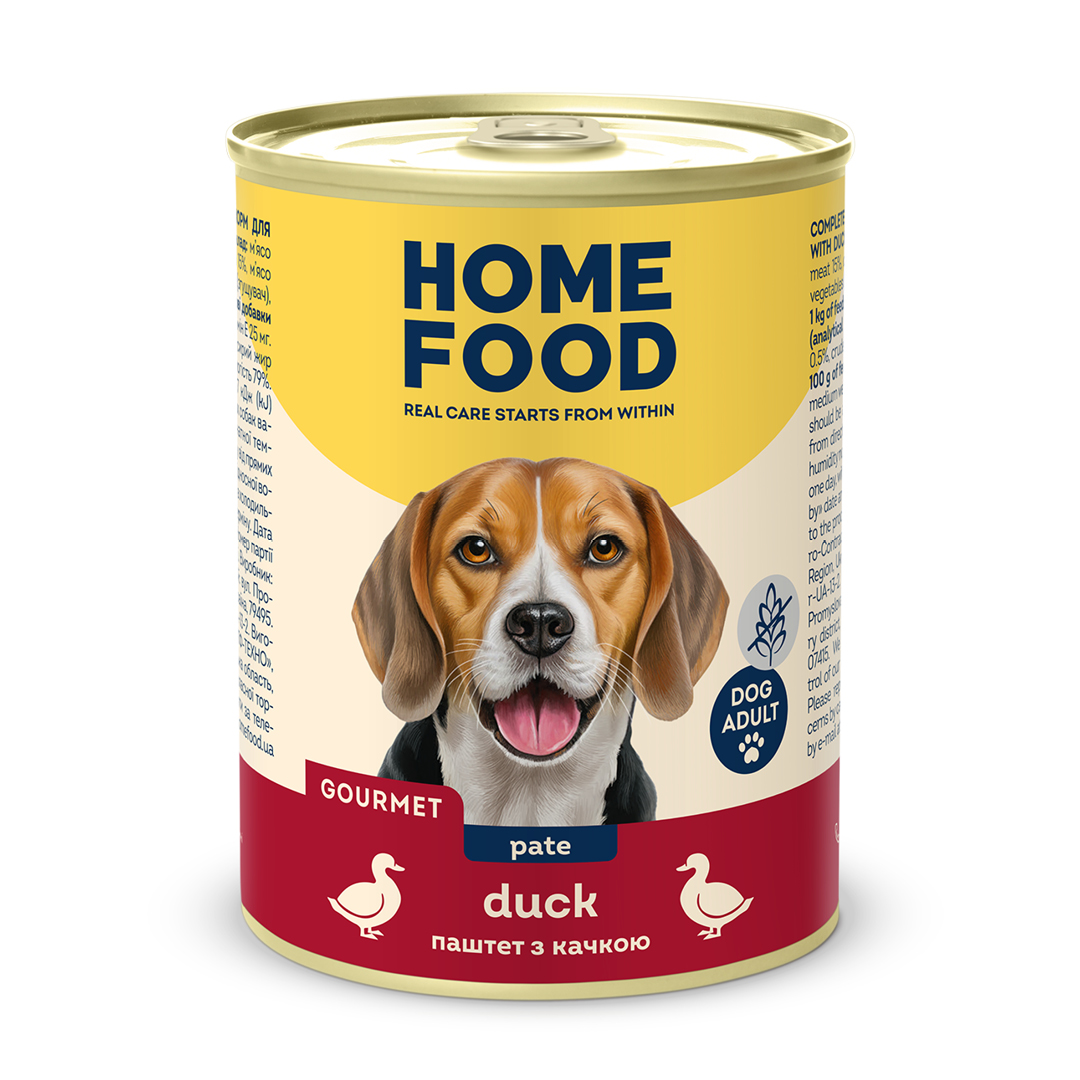
Grain-free wet HOME FOOD for dogs — Duck Pate, 360 g
Buy
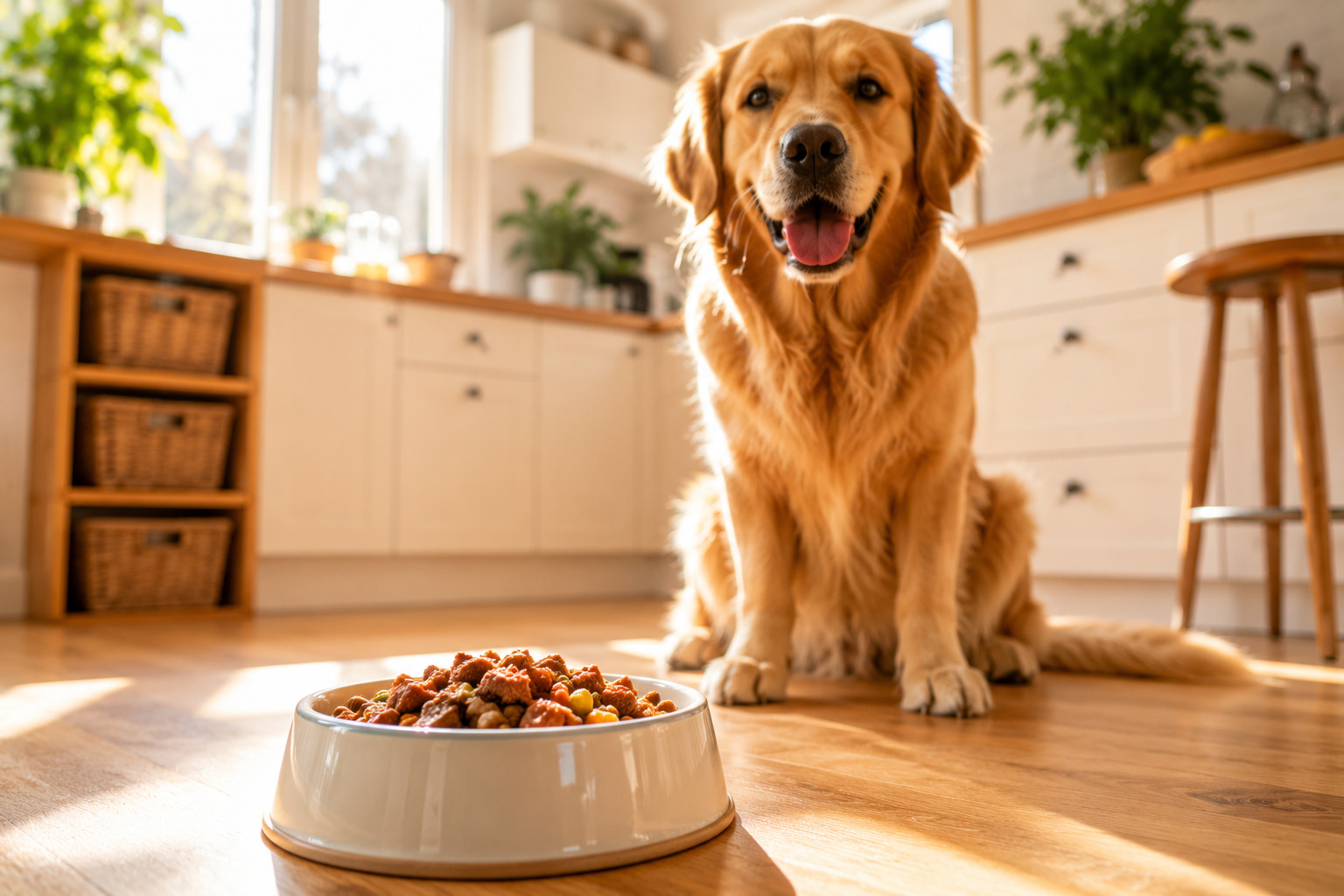
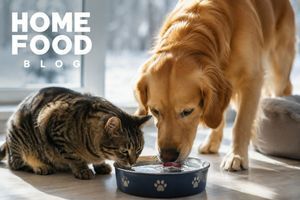
Even properly stored food loses its point if it is served in a dirty bowl or left open for too long in a warm room
Bowl cleanliness and proper serving
A clean bowl is not a small detail but part of everyday feeding safety. This is especially true for wet food, whose leftovers spoil quickly, but dry food should not be left in the bowl all day without control either.
Wash the bowl regularly
A food bowl should be washed daily, and after wet food after every meal. Warm water and a mild detergent with thorough rinsing are enough.
Choose materials that are easy to keep clean
Ceramic and stainless steel retain fewer odors and are easier to wash than plastic, which gets scratched over time and can trap bacteria.
Do not leave food in the bowl too long
Dry food should preferably not be kept in an open bowl longer than 12–24 hours, and wet food no longer than 30–60 minutes at room temperature.
Automatic devices also need care
Drinking fountains and other automatic accessories are convenient, but their containers and parts should also be washed regularly. This helps avoid buildup of slime, bacteria, and unpleasant odor.
- A clean bowl is just as important as the fresh food in it.
- Ceramic and metal are usually more practical for daily care than plastic.
- Automatic accessories do not replace hygiene, they only make serving more convenient.
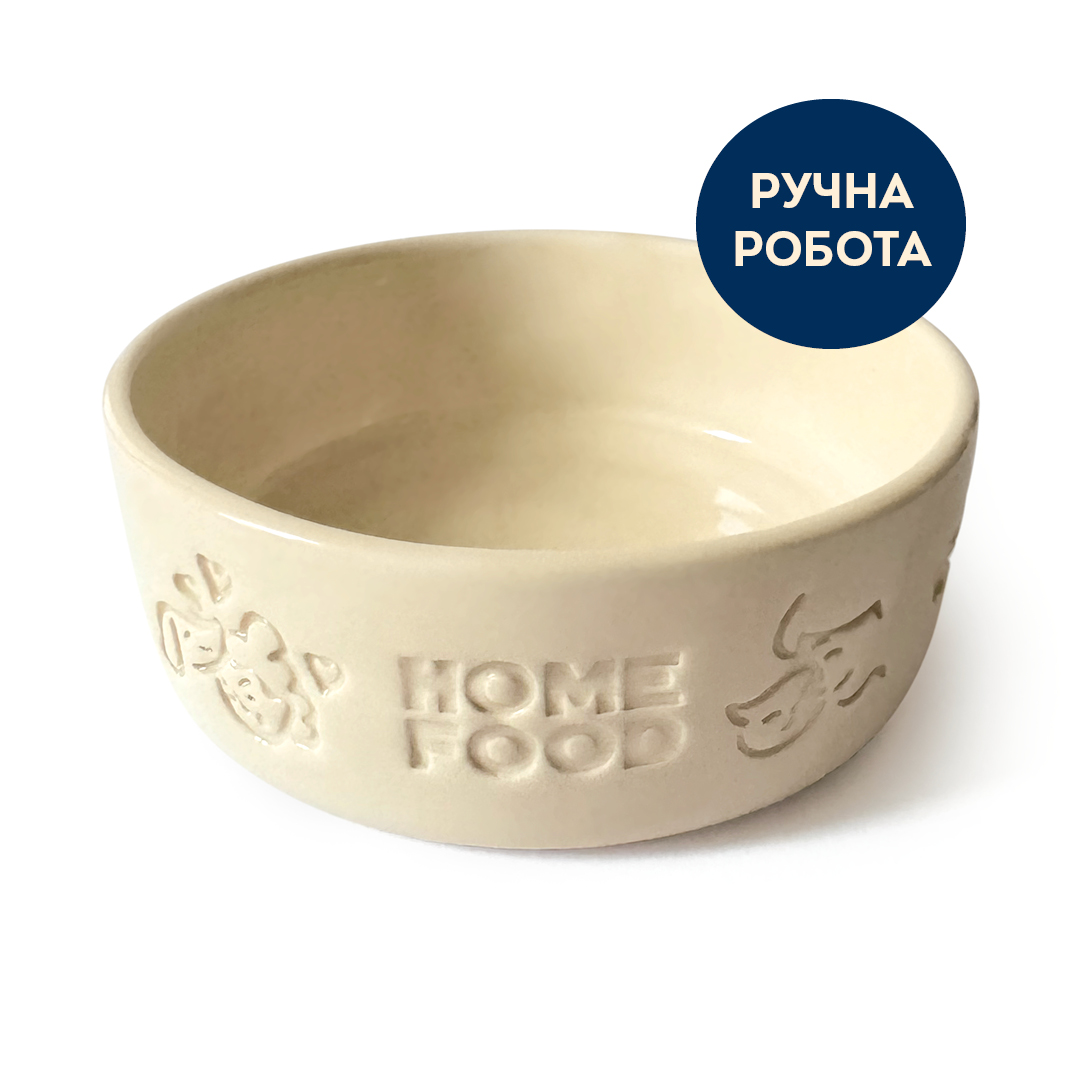
Handmade ceramic bowl for dogs and cats, beige
Buy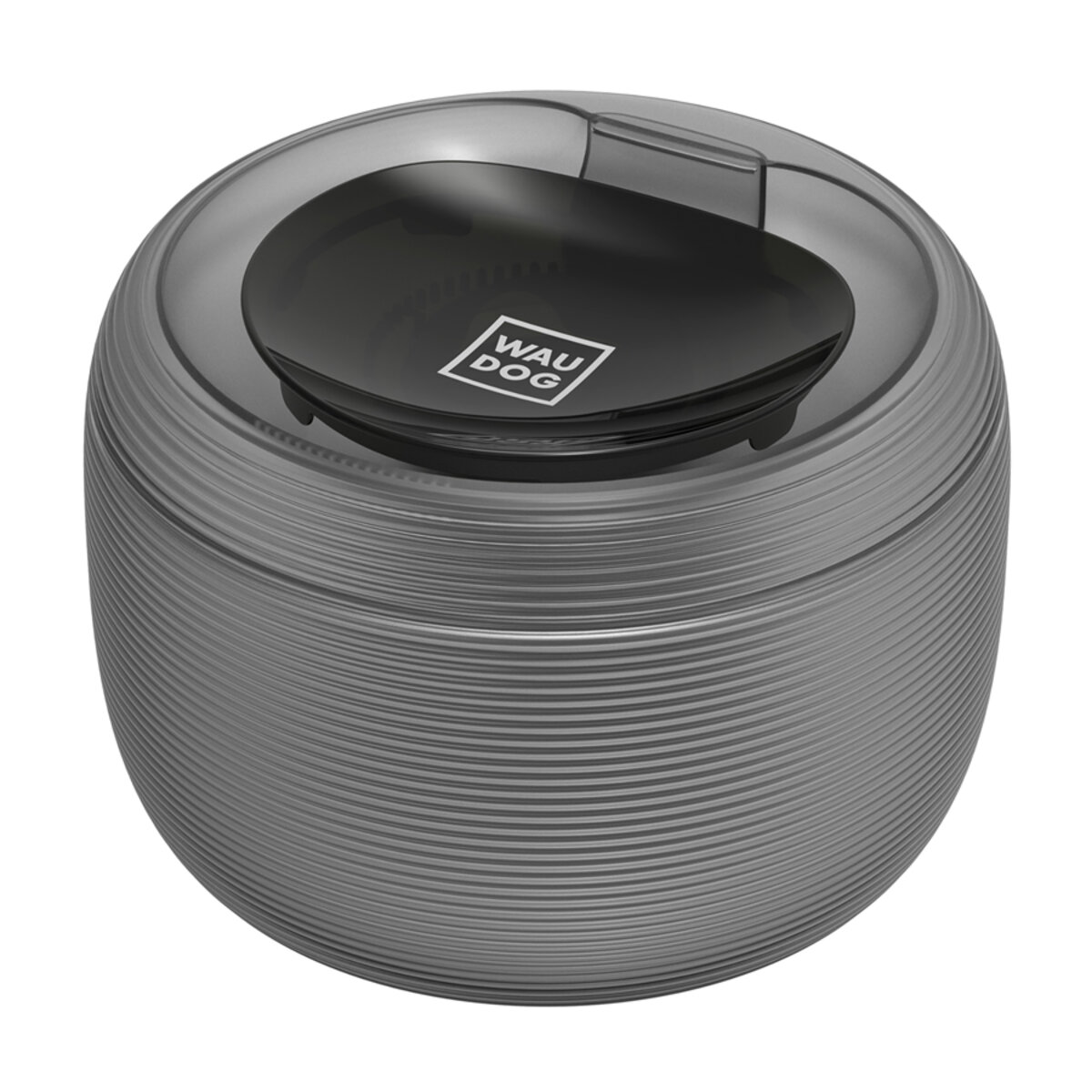
WAUDOG — automatic illuminated drinking fountain for dogs and cats, 2.5 L
Buy
Conclusion
Proper storage of dog food is a simple daily habit that truly affects feeding quality. An airtight container for dry food, a refrigerator for wet food, tracking time after opening, and a clean bowl help preserve taste, nutritional value, and dietary safety.
The less food comes into contact with air, moisture, heat, and dirty dishes, the more benefit your dog will get from each serving. And that means not only better appetite, but also calmer digestion and everyday comfort.