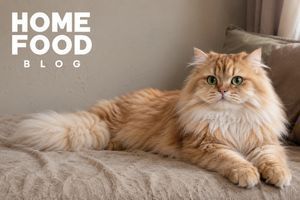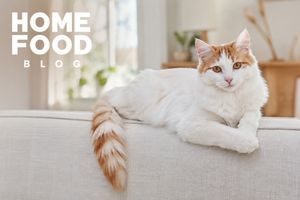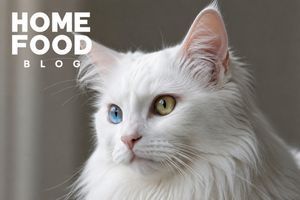
The Karelian Bobtail is a rare and very interesting breed of cat that originates from Karelia. Its main distinctive feature is a short pom-pom tail, which is a natural genetic trait rather than a result of docking. It is this detail combined with a sturdy build and very lively character that makes the breed easily recognizable.
This is an animal with pronounced independence that at the same time genuinely bonds with people. The Karelian Bobtail has its own inner dignity, natural agility and strong hunting instinct, but at the same time it knows how to be a very tender home companion. This is why the breed appeals to those who love cats with character that are also comfortable to live with.
In this article, we will explore where the Karelian Bobtail comes from, what it looks like, what its temperament is like, how it interacts with children and other animals, what is important to know about its health, care, nutrition and why this breed is considered one of the most interesting among natural bobtails.
Brief breed characteristics
| Origin | Karelia, border region of Finland and northwestern Europe |
| Other name | Karelian Bobtail |
| Breed type | Semi-long-haired or short-haired, natural breed |
| Size and weight | Medium size, approximately 3–5 kg |
| Lifespan | On average 12–17 years |
| Coloring | Varied: solid, tabby, tortoiseshell, smoke, white; all colorings are acceptable except colorpoint |
| Coat type | Soft, dense, with well-developed undercoat; provides good protection from cold and moisture |
| Character | Calm, friendly, curious, independent, but very attached to people |
| Care | Minimal: brushing 1–2 times per week, ear, eye, teeth and nail hygiene |
| Suitable for | Families and active people who value interaction with their pet and are ready for a moderately active lifestyle |
Breed origin
The history of the Karelian Bobtail begins far from megacities—on the shores of Lake Ladoga and in harsh northern regions, where cats survived for centuries in a cold climate. These natural hunters lived alongside people, protecting stores from rodents, but developed without artificial intervention as a natural local population.
The source highlights that the first officially recognized Karelian Bobtail appeared in a cattery only in 1987. However, the breed itself existed much earlier: the short tail was the result of a natural mutation that became fixed in the population. Unlike the Kurilian Bobtail, the Karelian Bobtail has a dominant short-tail gene.
The breed received official recognition in the WCF system in 1994. Despite this, the Karelian Bobtail remains rare, especially in Ukraine. This is why every mention of it in the modern feline community is perceived as an introduction to something very local, natural and not overly commercialized.
- The Karelian Bobtail developed naturally in a harsh northern climate.
- Its short tail is the result of a natural mutation, not selective docking.
- The breed is officially recognized but remains rare even in Eastern Europe.
An unmistakable appearance
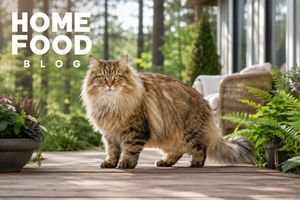
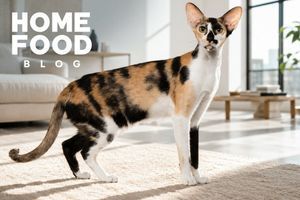
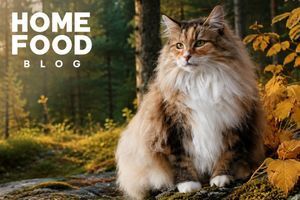
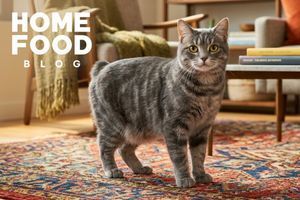
The Karelian Bobtail is a compact, sturdy and very harmonious cat. The body has an almost square format, the hind legs are slightly longer, and the movements look springy and confident. Everything in the appearance of this breed speaks of agility, endurance and natural adaptation to an active lifestyle.
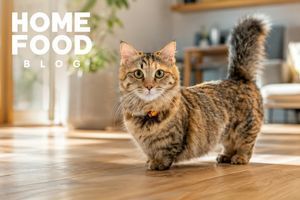
The most striking feature of the breed is the short pom-pom tail, approximately 4 to 13 cm long. It can be curved upward, have a loop or characteristic bend. It is the tail that makes the silhouette of the Karelian Bobtail so recognizable and gives it special expressiveness even in calm movement.
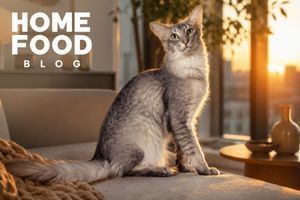
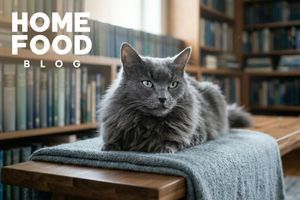
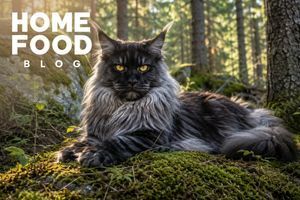
The coat in this breed can be short or semi-long. It is soft, dense and provides good protection from cold and moisture. Various colorings are acceptable—from solid to tabby or tortoiseshell, and it is this natural variety that gives the breed even more natural appeal. The eyes are oval, their shade usually harmonizes with the coat color.


The Karelian Bobtail is remembered not for bright exoticism, but for that natural combination of strength, agility, compactness and short pom-pom tail that makes it both very domestic and very special
Character and behavior
Karelian Bobtails know their worth. They do not impose themselves, respect personal space and do not demonstrate excessive fussiness, but this does not mean aloofness. If a cat trusts a person, it becomes very attentive, caring and stable in relationships.
The source highlights that these cats subtly sense a person's mood, love active games, respect children and get along well with other animals. They have high intelligence, easily remember routes, love to explore their environment and can gently 'talk' with their owner without sharp insistence.
The Karelian Bobtail tolerates solitude moderately: it does not suffer emotionally from a short absence of a person, but still values company and feels better where people interact with it. It is only important to remember that due to natural curiosity and hunting instinct, free roaming for such a cat is only appropriate in very safe conditions.
Attitude toward children and other animals
The Karelian Bobtail is usually well suited to family life. It is patient with children, plays willingly and rarely reacts sharply if treated carefully. It is this balance that makes the breed pleasant for a home where not only the beauty of the animal matters, but also the comfort of everyday contact.
With other cats and dogs, the Karelian Bobtail is usually peaceful. It adapts well to living together if the introduction happens gradually and without pressure. For this breed, a calm atmosphere, clear boundaries and the opportunity to occasionally be alone are important.
- The Karelian Bobtail combines independence with genuine attachment to people.
- The breed interacts well with children and other animals if there is calm socialization in the home.
- This is an active, intelligent and very observant cat that needs play, movement and contact.
Breed care
The Karelian Bobtail has natural cleanliness, but like any cat, requires regular basic care. For short-haired animals, brushing once a week is usually sufficient, while semi-long-haired lines should ideally be brushed 3–4 times a week, especially during seasonal shedding. This helps avoid matting and reduces the amount of hair in the home.
Bathing a Karelian Bobtail frequently is not necessary. The source recommends doing this only when needed, no more than twice a year, using special cat shampoo. It is also important to regularly check the ears, clean the teeth, trim the nails and monitor the condition of the eyes, especially if the cat spends time outdoors or lives in dusty conditions.
A special advantage of the breed is that all this care is not complicated and does not require excessive effort. But it is regularity that makes the difference between simply a beautiful cat and a truly well-groomed, healthy home companion.


Superium Panacea — antiparasitic spot-on drops for cats 0.5–4 kg
Buy
HOME FOOD Beauty — set: shampoo "Perfect Care", conditioner "Silky Touch" and cosmetic bag
Buy
Steam massage brush 3 in 1 — brush for grooming dogs and cats "Avocado"
Buy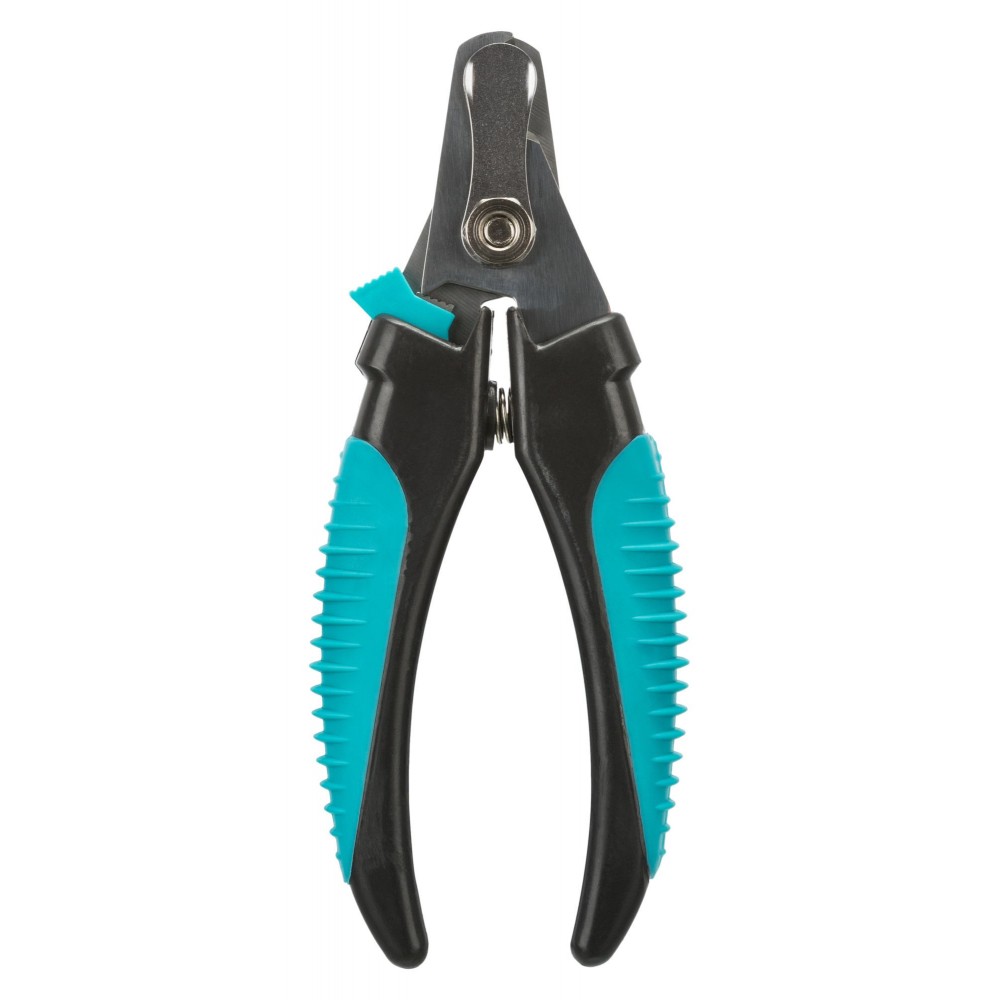
Trixie Luxe — nail clipper for pets, large, 16 cm
Buy
Health and possible breed traits
The health of the Karelian Bobtail is considered one of the breed's strong points. Natural selection has made these cats hardy and resistant to many problems, so the source highlights their strong natural health. There is no pronounced list of typical hereditary diseases for the breed.
However, prevention remains the foundation of a long life. Vaccination should be done annually, parasite treatment — according to schedule, and veterinary visits are best planned at least once a year. This simple and systematic approach allows you to maintain the animal's activity, good coat, and stable well-being for many years.
With proper care, a Karelian Bobtail can live over 15 years. For a breed that combines agility, hunting instincts, and quite a dense coat, it is very important not to limit care to just feeding: full preventive monitoring of its overall health is needed.
- The Karelian Bobtail has strong natural health and good endurance.
- Annual vaccination, parasite treatment, and preventive check-ups are mandatory for the breed.
- With systematic care, these cats can remain active and healthy for a long time.

The Karelian Bobtail feels best where freedom of movement, regular but uncomplicated care, moderate activity, and calm human presence without unnecessary fuss are combined
Nutrition
To keep a Karelian Bobtail cheerful, active, and with a well-groomed coat, it needs balanced nutrition with sufficient protein, vitamins, and taurine. The source recommends focusing on super-premium dry and wet food, and also selecting diets according to the cat's age and activity level.
Kittens and young active animals need more energy, while adult cats need to maintain a balance between satiety and weight control. Constant access to clean water is also mandatory, especially if the diet includes dry food. This approach helps maintain good shape, activity, and healthy digestion.
The Karelian Bobtail does not belong to breeds with overly complex dietary restrictions, but it also won't suit random, cheap, or unbalanced solutions. If the diet is well-thought-out, it's immediately noticeable in the coat, endurance, and the animal's overall mood.
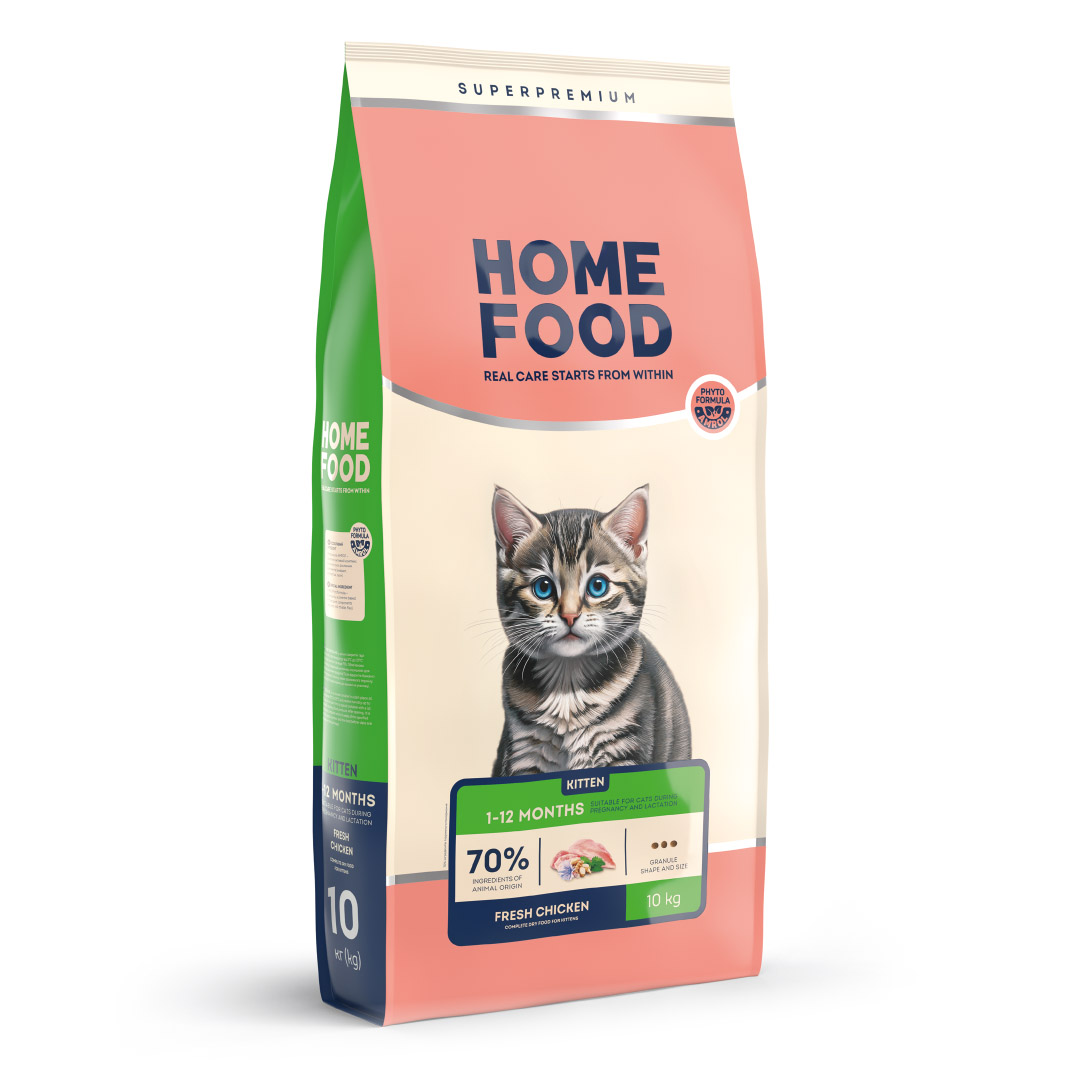
HOME FOOD Fresh Chicken — dry food for kittens 1–12 months, 10 kg
Buy
HOME FOOD For sterilised/neutered — dry food for sterilized adult cats, rabbit and cranberry, 1.6 kg
Buy
HOME FOOD — salmon oil for skin health and coat shine for dogs and cats, 100 ml
Buy
HOME FOOD — treats for cats, shrimp straws
Buy
Who the Karelian Bobtail is suitable for
The Karelian Bobtail is well suited to people who love distinctive but non-conflictual cats. It will be a good choice for families, for active owners, and for those who want to see beside them a companion that is not overly intrusive, but truly present with a sense of measure and inner balance.
This breed is especially attractive to those who value natural origins, good health, and moderate activity without extremes. If you like cats that can play, make friends, observe, but don't demand constant emotional focus on themselves, the Karelian Bobtail might be a very good fit.
- The Karelian Bobtail is suitable for families, active people, and anyone who values a respectful but warm connection with a cat.
- The breed feels comfortable in an apartment and house, especially if it has opportunities for play, climbing, and exploring.
- It reveals itself best next to an owner who loves communicating with the animal but doesn't expect intrusiveness.
Conclusion
The Karelian Bobtail is not just a cat with a short tail, but a breed with very natural charisma, good health, and a rare balance between independence and attachment to humans. It combines endurance, agility, a soft domestic temperament, and that same inner restrained confidence that is so valued in natural breeds.
If you need an unusual but comfortable everyday companion, the Karelian Bobtail truly deserves your attention. With simple but regular care, good nutrition, and attentive care, this cat can remain an active, beautiful, and very pleasant companion in your home for many years.