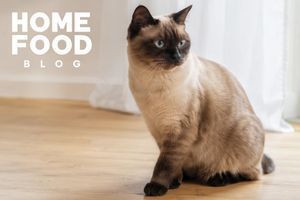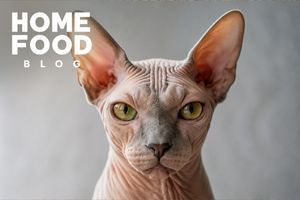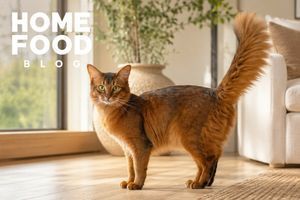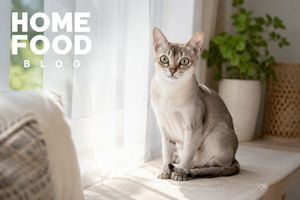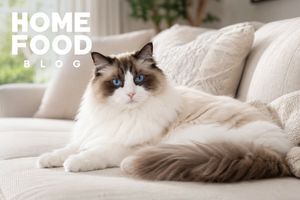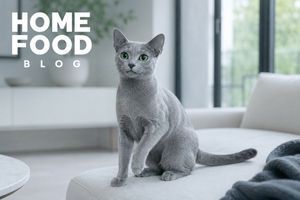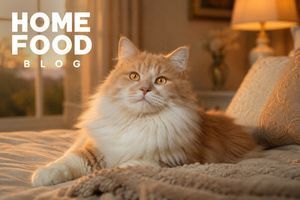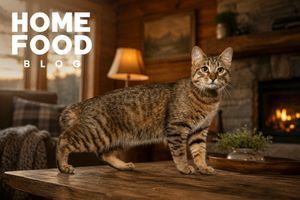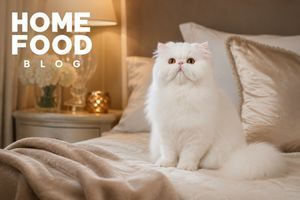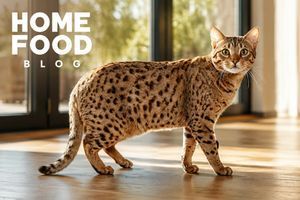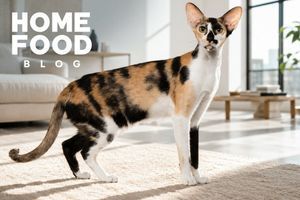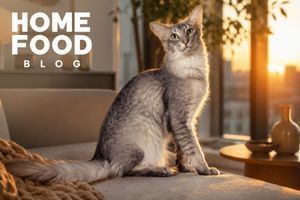
The Tonkinese cat attracts attention with its silky coat, distinctive eye colour, and refined build. The breed combines the resilience of its Burmese ancestors with the grace of the Siamese line, making it a well-balanced, affectionate, and highly intelligent companion.
Tonkinese cats strive to take part in the family’s daily life and do not tolerate prolonged loneliness well. Their playful nature and gentle temperament make them a good match for families with children and people looking for an affectionate, sociable pet.
Breed overview
| Origin | Canada, USA, 1960s |
| Other name | Tonkinese, Golden Siamese |
| Breed type | Short-haired, Eastern hybrid type |
| Size and weight | Medium-sized, 2.5–5.5 kg, 20–25 cm at the withers |
| Life expectancy | 15–17 years |
| Colours | Mink (natural, platinum, champagne, blue), point, solid |
| Coat type | Short, soft, glossy, close-lying, without an undercoat |
| Temperament | Sociable, playful, friendly, even-tempered, companionable |
| Care | Simple: brushing 2–3 times a week and keeping the home warm |
| Best suited for | Families with children and people who enjoy affectionate, social cats |
History and origin
The idea of creating this breed emerged among North American breeders in the middle of the last century. They aimed to develop cats that combined the distinctive contrasting markings of the Siamese with the solid, athletic build of the Burmese. Canadian breeder Margaret Conroy achieved the first impressive results. After crossing a Siamese male with an American Burmese female, kittens were born with golden-chocolate coats and unique aquamarine eyes.
The Tonkinese is officially recognised by leading international feline associations. The largest populations are concentrated in the USA and Canada.
Appearance
Tonkinese cats are medium-sized and have a flexible, harmoniously developed build. Their refined bone structure is combined with noticeable muscular strength.
Key physical characteristics include:
- The head forms a soft wedge with rounded contours and high, pronounced cheekbones. The muzzle is moderately long, with clearly defined lines of the chin and nose leather.
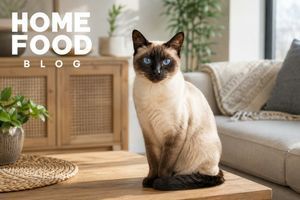
- The eyes are large, almond-shaped at the top and rounded below. Iris colour ranges from turquoise-aquamarine to deep blue and yellow-green.
- The ears are large and set fairly wide apart, with a slight forward tilt and rounded tips.
- The body is moderately elongated and solid. The legs are proportional, strong, and end in oval paws. The medium-length tail tapers towards a rounded tip.
- The short, silky coat lies close to the body and creates a glossy sheen. The lack of an undercoat gives it a smooth texture.
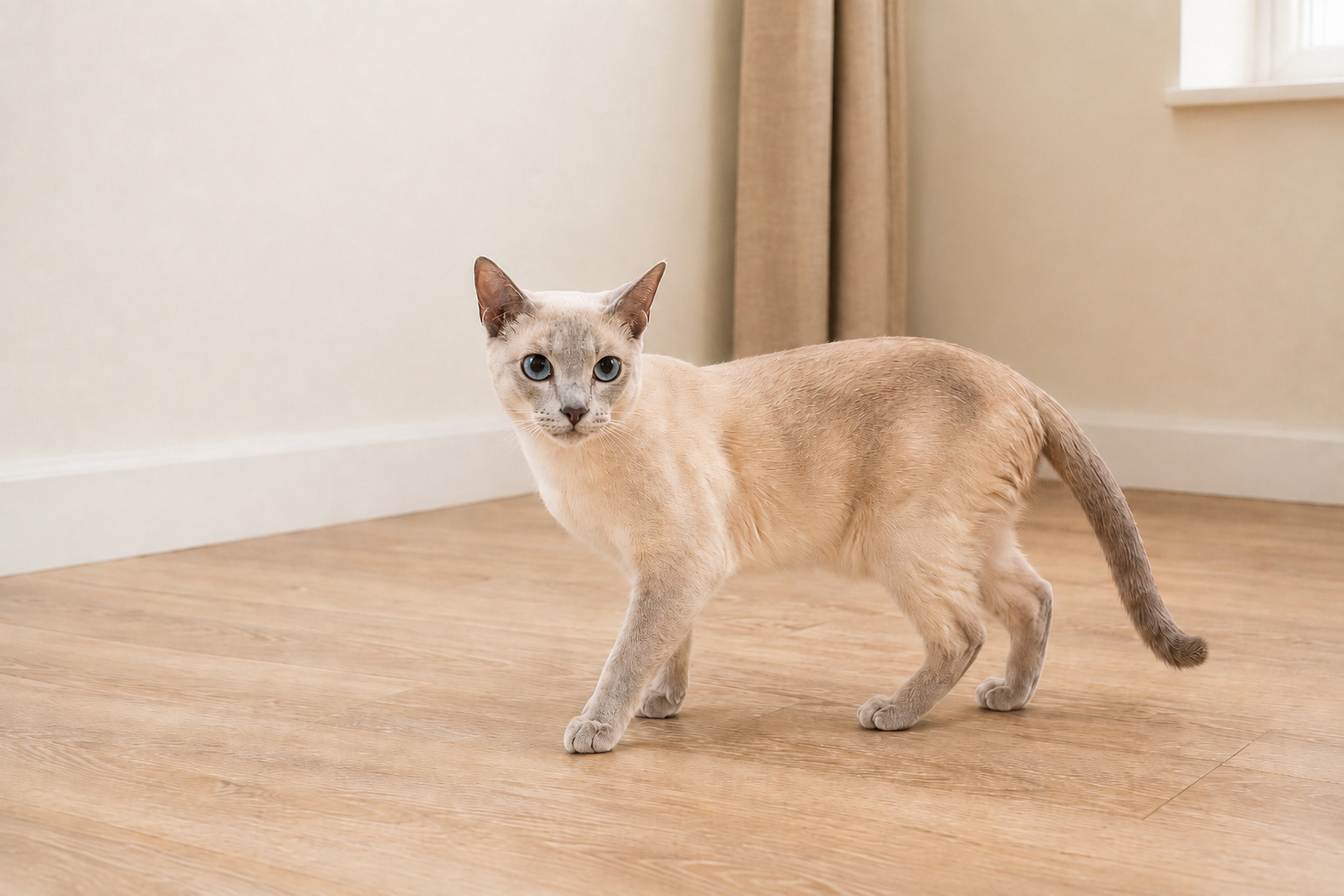

Flowing body lines and a wide, expressive gaze give the Tonkinese a distinctive charm and recognisable Eastern character
Temperament and behaviour
Tonkinese cats have a cheerful disposition, gentle temperament, and strong focus on people. They build relationships with their owners on the basis of equal partnership and mutual respect.
The breed’s behavioural traits include:
- Strong social skills: these cats easily get along with all family members, guests, and other pets.
- Playfulness and curiosity: adult cats remain highly active and eagerly take part in games and exploring their surroundings.
- Tactfulness: when their owner has little free time, they are not overly demanding and can entertain themselves with toys.
- Adaptable intelligence: their strong mental abilities allow them to learn household rules and their owner’s expectations quickly and without unnecessary difficulty.
Care
The lack of an undercoat simplifies regular grooming but requires attention to indoor temperature. These cats are sensitive to draughts, so an ideal home temperature is 22–23 °C.
The grooming routine includes:
- Brushing: groom the short coat 2–3 times a week using a rubber grooming mitt or a soft brush.
- Bathing: full baths are rarely needed; washing the cat once every six months is sufficient.
- Dental care: brush the teeth with veterinary toothpaste 3–4 times a week.
- Eye and ear hygiene: clean the outer ears with a suitable hygiene lotion when needed and wipe the eyes with a clean, damp pad.
Consistent care helps prevent dermatological problems and keeps the cat’s coat in excellent condition.

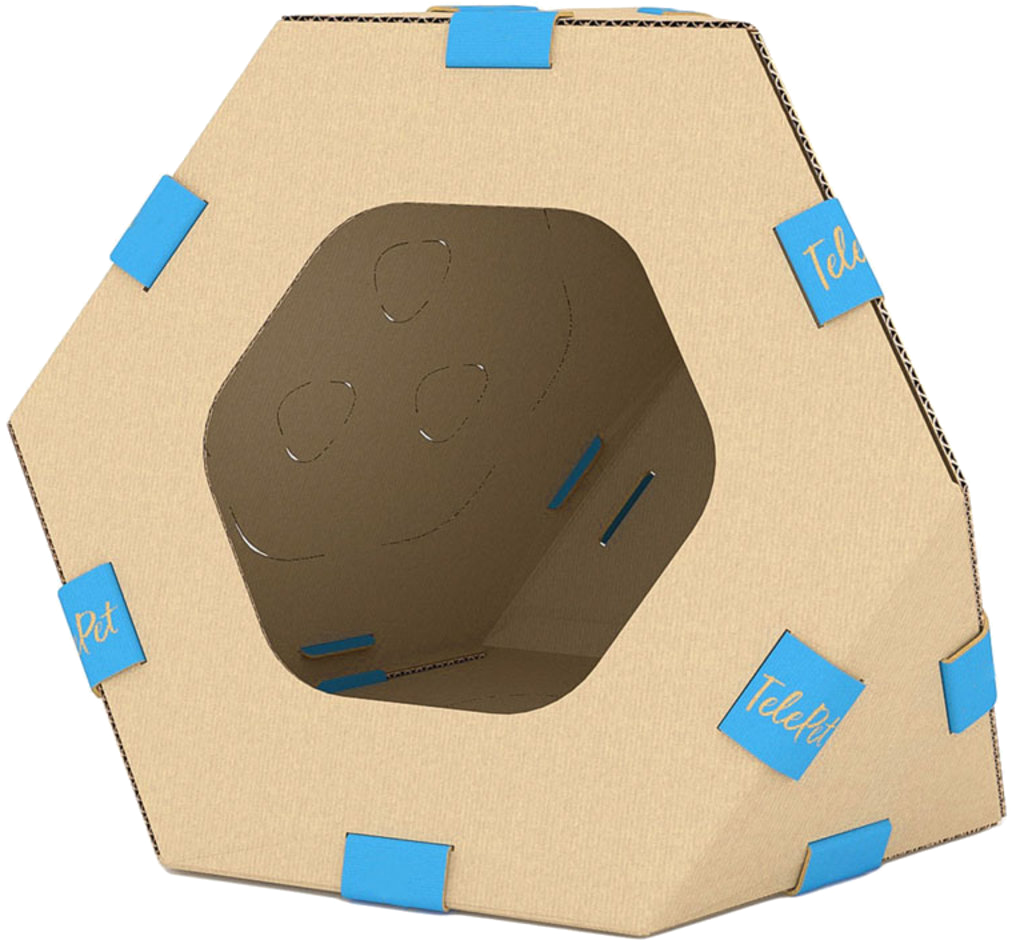
TelePet — modular cat house, 440 × 440 × 370 mm
Buy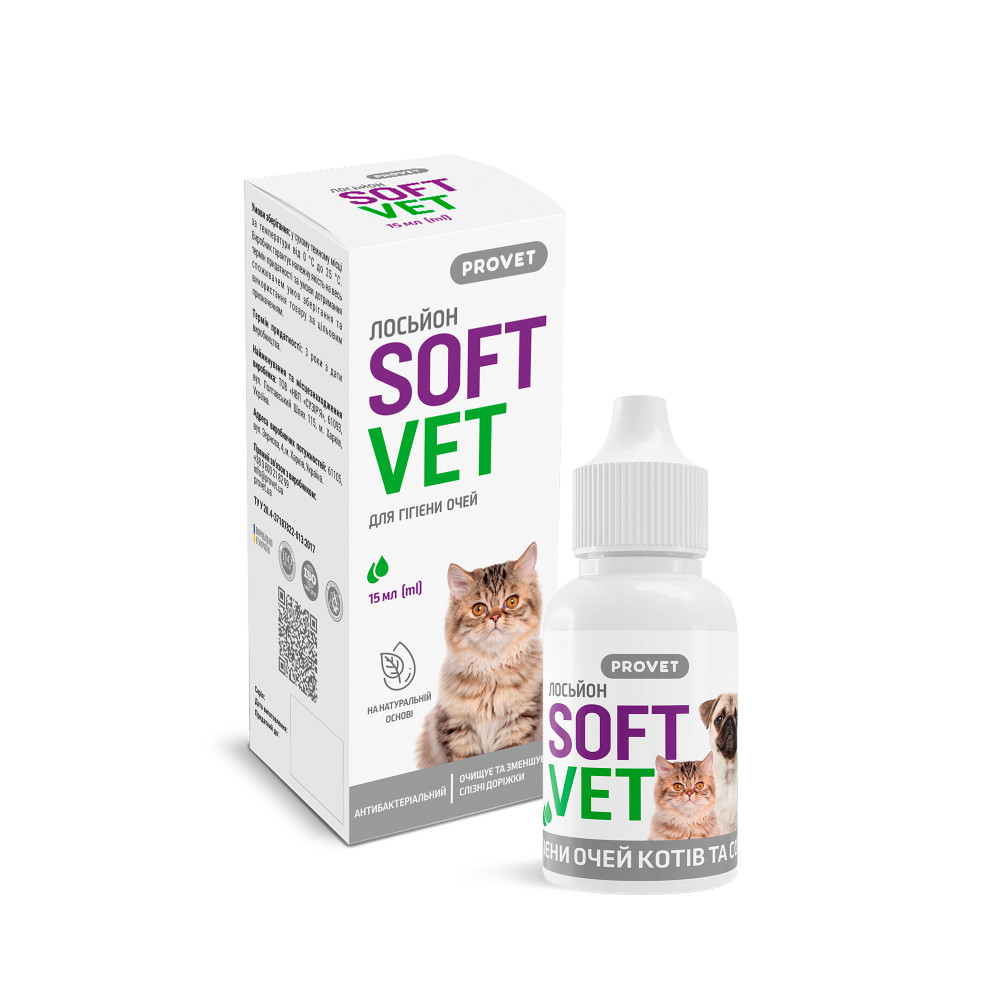
ProVET SOFTVET — eye hygiene lotion for cats and dogs, 15 ml
Buy
Otifree Vetoquinol — ear cleaner for dogs and cats, 60 ml
Buy
DentaBona Probioday — probiotic oral spray for dogs and cats, 100 ml
Buy

The absence of aggression and well-developed empathy make these cats wonderful companions
Nutrition
Tonkinese cats generally have stable digestion, but maintaining a vivid coat colour and good muscle tone requires a nutritious diet. Their menu should provide the right balance of protein and micronutrients.
Balanced feeding is based on the following principles:
- High-quality protein base: animal protein should account for at least 35% of a prepared dry or wet diet.
- Portion control: energetic cats burn calories actively, but food portions still need to be measured to avoid overeating.
- Hydration: constant access to filtered water is essential and helps reduce the risk of urinary system disorders.
A carefully selected menu supports a glossy coat, physical activity, and longevity.
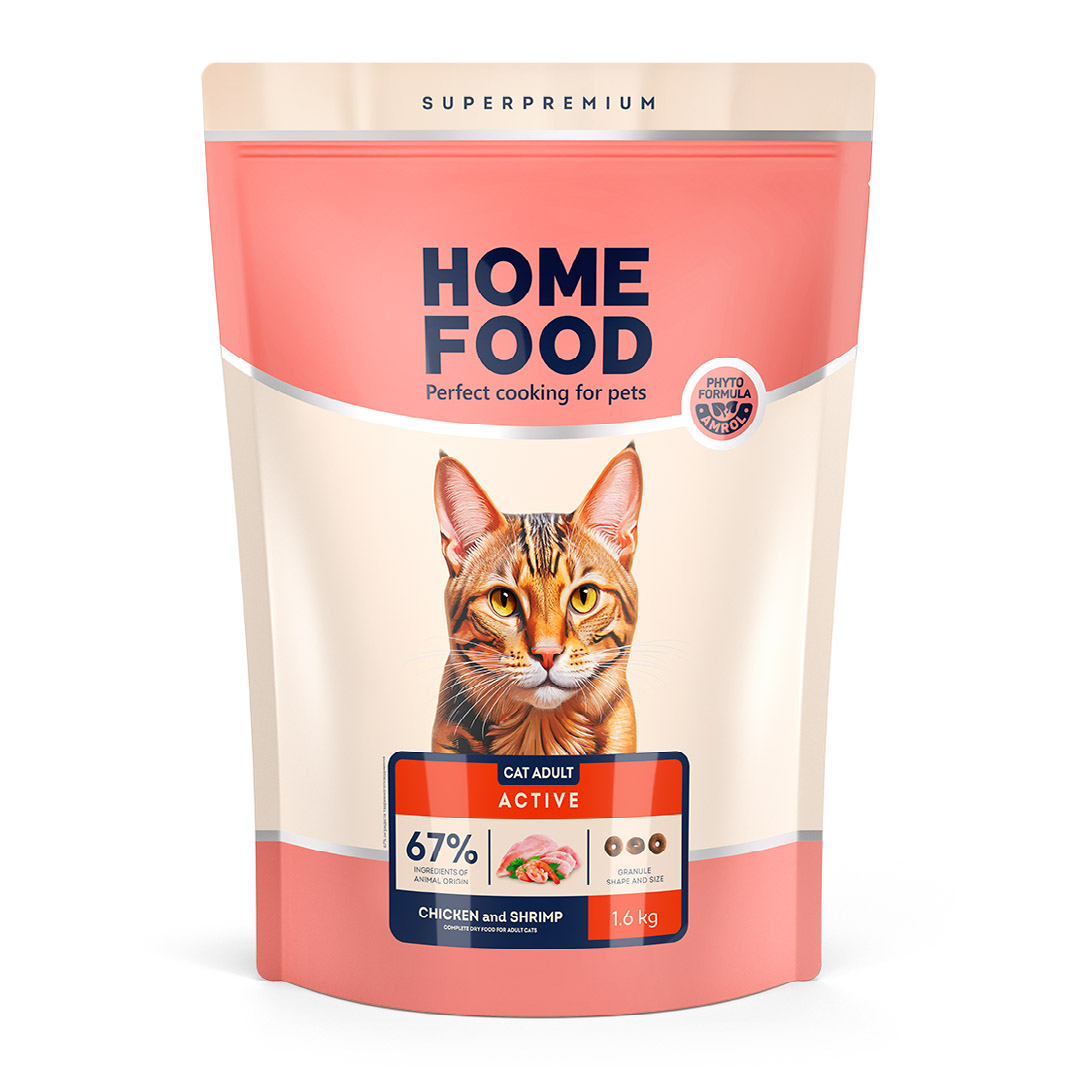
HOME FOOD For active — dry food for active adult cats, chicken and shrimp
Buy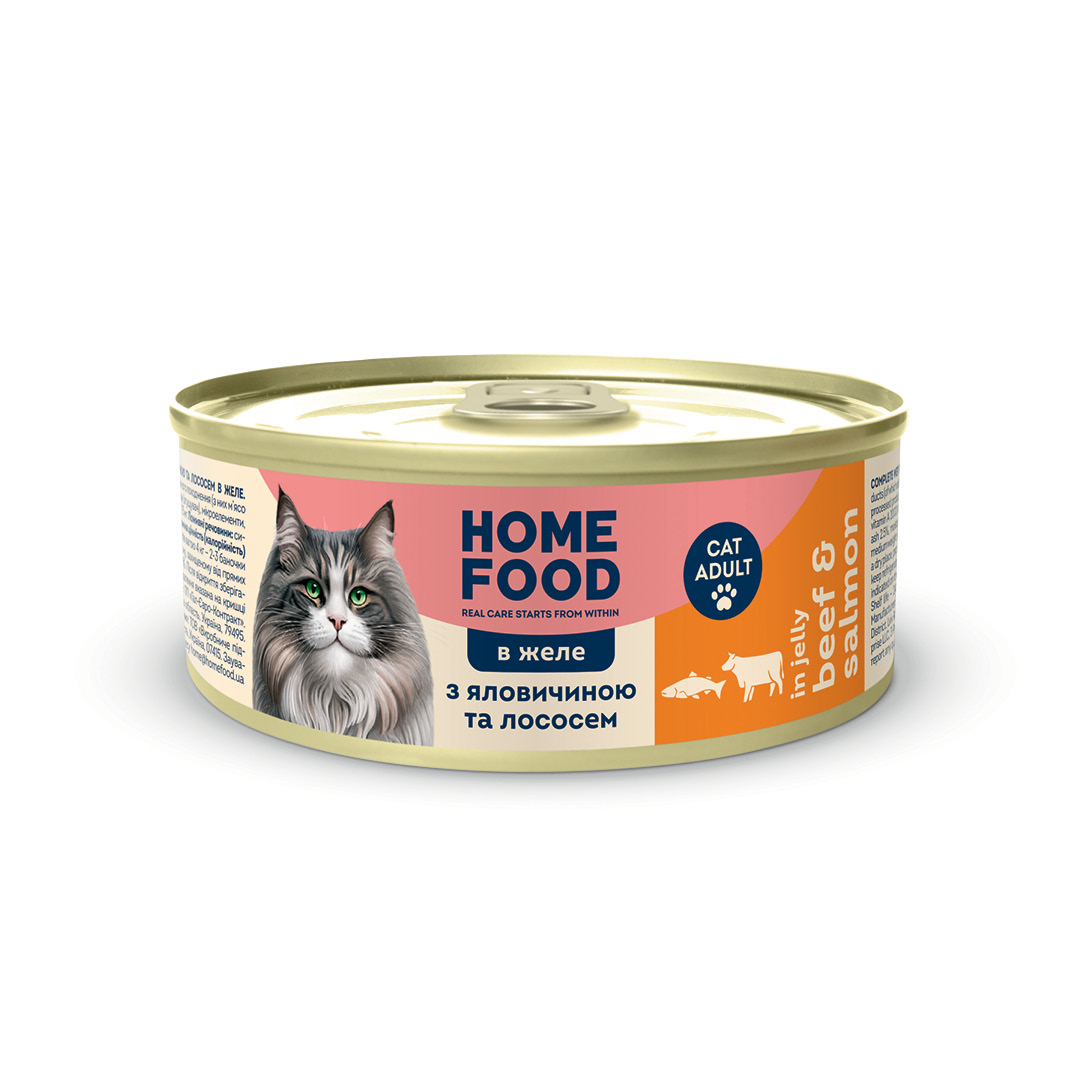
HOME FOOD — complete food for adult cats with beef and salmon in jelly
Buy
Round Fun Pet Feeder — interactive feeder toy for dogs and cats
Buy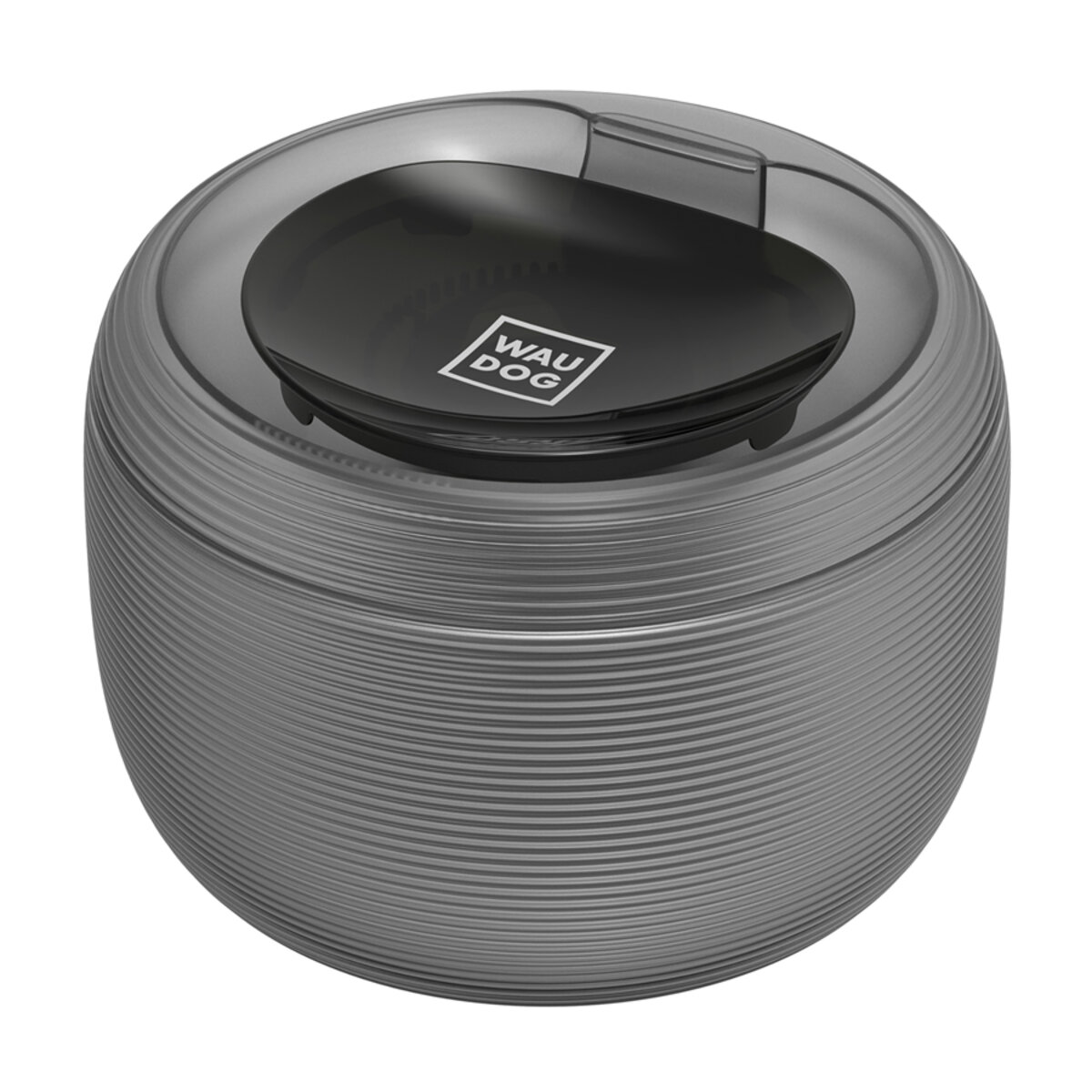
WAUDOG — automatic illuminated drinking fountain for dogs and cats, 2.5 L
Buy
Health
Tonkinese cats are a long-lived breed and, with proper care, often reach 15–17 years of age. However, their Siamese and Burmese heritage creates a predisposition to several health conditions.
Veterinary monitoring should focus on preventing the following conditions:
- Cardiovascular diseases.
- Certain kidney and liver diseases.
- Dental problems.
Annual preventive veterinary examinations and adherence to the routine vaccination schedule help detect any changes at an early stage.
Pros and cons of the breed
Considering both the positive and negative aspects helps prospective owners objectively assess their readiness to care for a Tonkinese cat.
The breed’s advantages include:
- an unusual, exotic appearance and rare aquamarine eye colour;
- a strong attachment to people and a friendly attitude towards other animals;
- low-maintenance daily coat care;
- an even-tempered and unobtrusive nature.
Potential challenges include sensitivity to low temperatures and draughts, a need for regular attention, a tendency to vocalise, and the high cost of kittens due to the breed’s limited availability.
Conclusion
The Tonkinese cat embodies a harmony of Eastern grace, intelligence, and gentle temperament. The breed is ideal for people who are ready to offer their pet warmth, care, and a comfortable home in exchange for devotion and companionship.