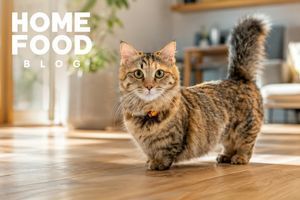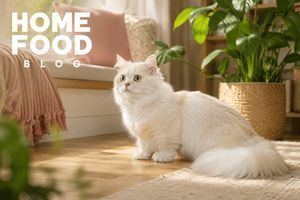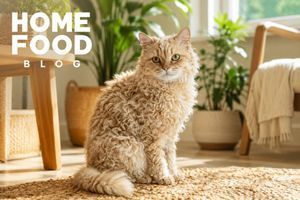
The Oriental Longhair cat combines something rarely found together: refined appearance, a very lively mind, emotionality and genuine affection for people. It looks light and almost ethereal, yet is active, attentive and deeply engaged in family life.
It is one of those breeds that doesn't just 'live alongside' but constantly interacts with its owner. The Oriental loves to talk, observe, learn, play and be part of daily household rituals. That is why it is often chosen by people who value not just a beautiful pet, but a true companion.
In this article, we will explore where the Oriental Longhair cat comes from, how it differs from other Oriental breeds, what its temperament is like, what conditions it needs at home, what to watch for regarding health and how to create a balanced diet for it.
Breed Overview
| Origin | Oriental breed group based on Siamese cats; breeding in England and the USA |
| Alternative Name | Oriental Longhair, British Angora in some older classifications |
| Breed Type | Semi-longhaired Oriental domestic cat of medium size |
| Size and Weight | Medium size; slender, long, muscular body |
| Lifespan | Average 12–15 years |
| Colors | Many color variations, except for point pattern type |
| Coat Type | Semi-long, silky, without pronounced undercoat, with a long plumed tail |
| Temperament | Sociable, intelligent, talkative, active, very people-oriented |
| Care | Several brushings per week, dental care, eye care, ear care and nail care |
| Suitable For | People who want an active and emotionally engaged cat and don't plan to leave it alone for long periods |
Origin and Breed History
The Oriental Longhair cat belongs to the Oriental breed group, descended from Siamese cats brought from Thailand to Europe in the late 19th century. Initially, Siamese descendants with non-pointed colors were often perceived as 'incorrect Siamese,' but eventually they became the foundation for developing a separate Oriental line.
In the 20th century, selective breeding in England and the USA gradually established the type of a slender, long-bodied, large-eared cat with a very wide palette of colors. Later, the longhair gene was introduced into the breed group, resulting in a variant with silky semi-long coat. This stage led to international recognition of the Oriental Longhair cat in the 1990s.
Today, the breed is associated not only with striking appearance but also with a very distinctive temperament. It is a cat with Oriental elegance, high sociability and strong interest in life alongside people.
- The Oriental Longhair descends from the Siamese breed group.
- Its modern type was developed in England and the USA throughout the 20th century.
- The longhaired variant was officially established and internationally recognized by the end of the century.
Appearance and Standards
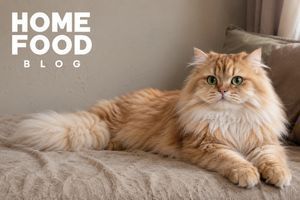
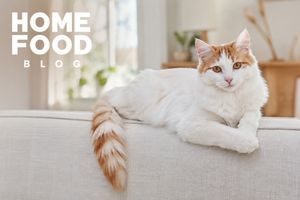
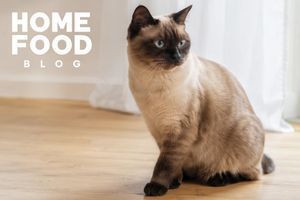
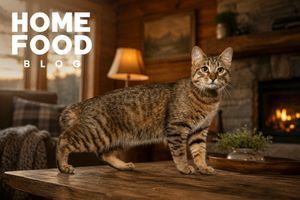
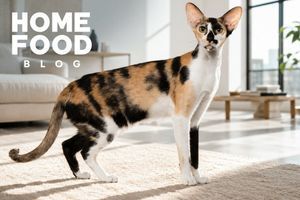
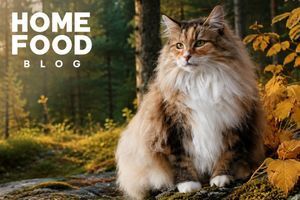
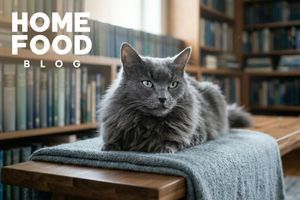
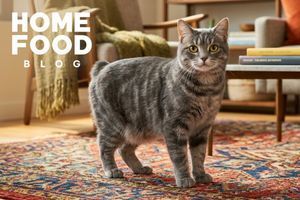
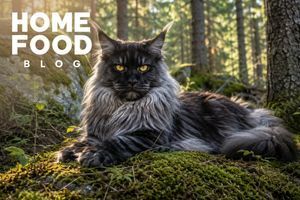
The Oriental Longhair cat is medium-sized but appears elongated, light and very elegant. The breed is characterized by a long flexible body, elongated neck, wedge-shaped head, large ears and almond-shaped eyes. All of this creates a recognizable 'Eastern' silhouette that is difficult to confuse with other cats.
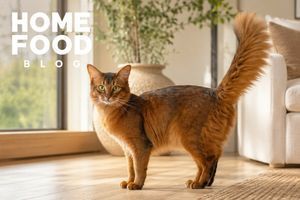
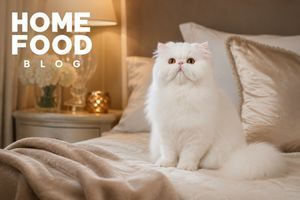
Its coat is semi-long, fine, silky and practically without pronounced undercoat. That is why it lies beautifully on the body, and the tail looks like a long soft plume. This structure makes the breed less 'demanding' in grooming than densely undercoated longhaired cats, although regular brushing is still necessary.
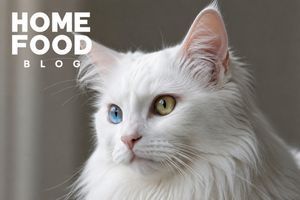
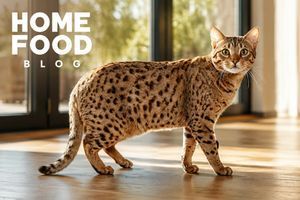
Many colors are allowed, except for the point pattern type characteristic of the Siamese group. Eyes are most often green, but in white animals they can be blue or odd-eyed. The entire appearance of the Oriental cat should look balanced and refined, without coarseness or massiveness.
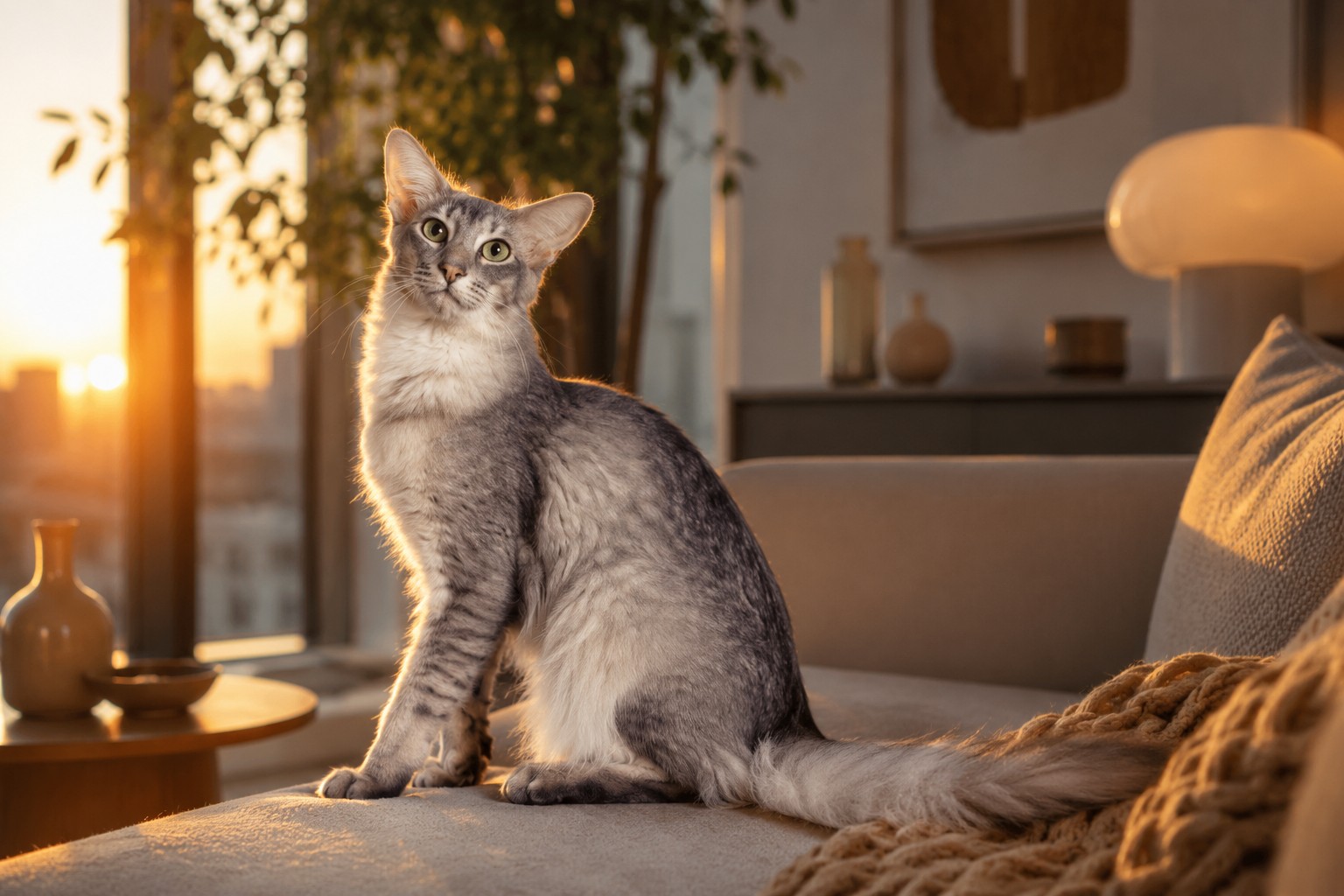

The Oriental is easily recognized by its wedge-shaped face, large ears and silky semi-long coat without undercoat
Breed Temperament
Oriental Longhair cats are known as very sociable, clever and emotionally expressive pets. They often actively 'talk' with people, respond to tone of voice, love being the center of attention and very reluctantly tolerate prolonged solitude. This is not a cat for the 'feed and forget' approach.
Despite their refined appearance, Orientals are truly active. They love interactive games, climbing, exploring the house and any form of mental stimulation. Many of them easily learn household rules, simple tricks and interaction rituals.
With proper attention, this is a very tender and gentle breed. But if the cat is frequently left alone for long periods, denied contact, play and a stable emotional environment, it may become bored, demand attention more vocally or become more tense.
Behavior at Home and Interaction with People
The Oriental Longhair cat is well-suited for apartment living if it has things to do. The home should provide safe heights, play areas, scratching posts, a window perch for observation and a quiet corner for rest. These cats very much enjoy a combination of activity and personal space.
For people who work away from home a lot, it's important to think ahead about whether the Oriental might be too lonely. In many cases, the breed does better where there is more human presence or another friendly pet. This social need is one of the main characteristics of this cat.
- The Oriental requires attention, play and daily interaction with people.
- The breed needs safe heights, toys and its own quiet corners.
- Prolonged solitude is usually harder for this cat to tolerate than for more independent breeds.
Health and Possible Risks
Overall, the Oriental Longhair cat is considered a fairly robust breed, but as part of the Oriental group, may have some risks that should not be ignored. Veterinary descriptions mention gingivitis, cardiomyopathy and hepatic amyloidosis. In veterinary descriptions for related Oriental breeds, there is also regular emphasis on the importance of dental monitoring, weight monitoring and careful observation of the animal's overall condition.
Due to the slender build, not every weight loss in an Oriental is immediately noticeable, so the owner should monitor appetite, activity, coat condition, weight and level of mobility. If the cat becomes more lethargic, starts eating worse, loses weight, has difficulty breathing or is less willing to play, this is a reason not to delay a visit to the veterinarian.
As with any domestic cat, vaccination, prevention of external and internal parasites, dental care, eye care, ear care and regular preventive check-ups are important for the Oriental. Routine care helps reduce risks best.
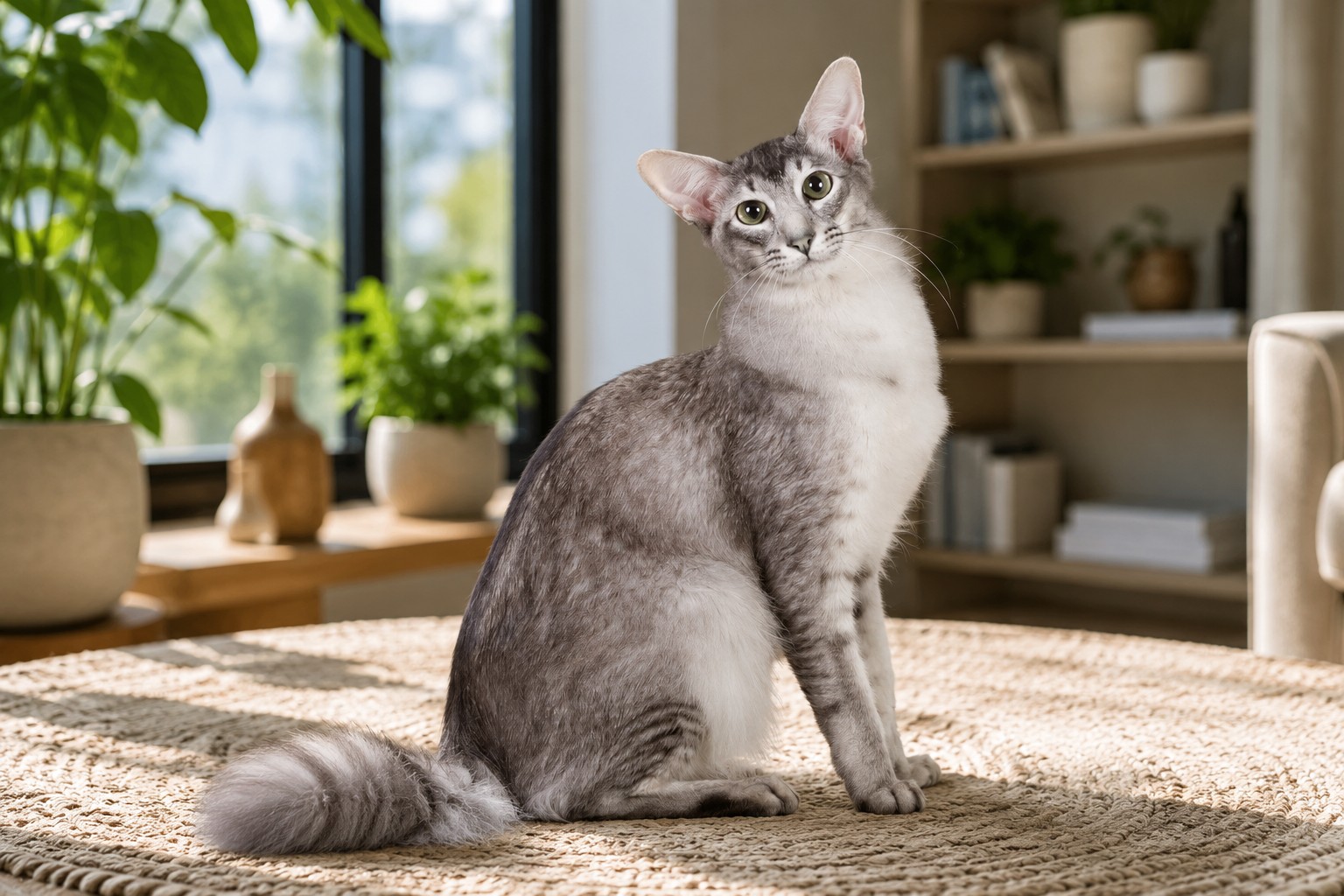
For the Oriental, emotional contact, dental and heart monitoring and a stable active lifestyle are most important
Care
The coat of an Oriental longhaired cat requires regular, but not overly complicated care. It should be brushed several times a week to remove dead hair, reduce matting, and maintain a neat appearance of the tail and sides. Due to the lack of a dense undercoat, this coat is often easier to care for than in fluffier breeds.
Special attention is needed for teeth, claws, eyes and ears. Claws should be trimmed regularly and very carefully, and oral health should not be neglected. For a sociable breed, calm, short grooming sessions introduced gradually work much better than rare but stressful procedures.
It should also be remembered that an active cat needs not only hygiene but also an environment: play scenarios, safe jumping and resting spots, regular interaction, and mental stimulation.

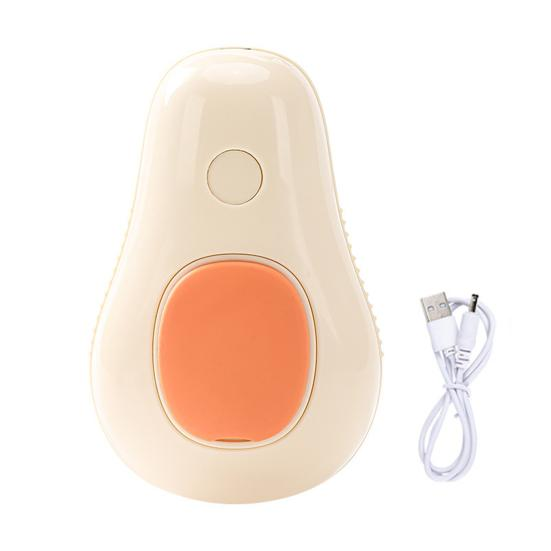
Steam massage brush 3 in 1 — "Avocado" for coat care for dogs and cats
Buy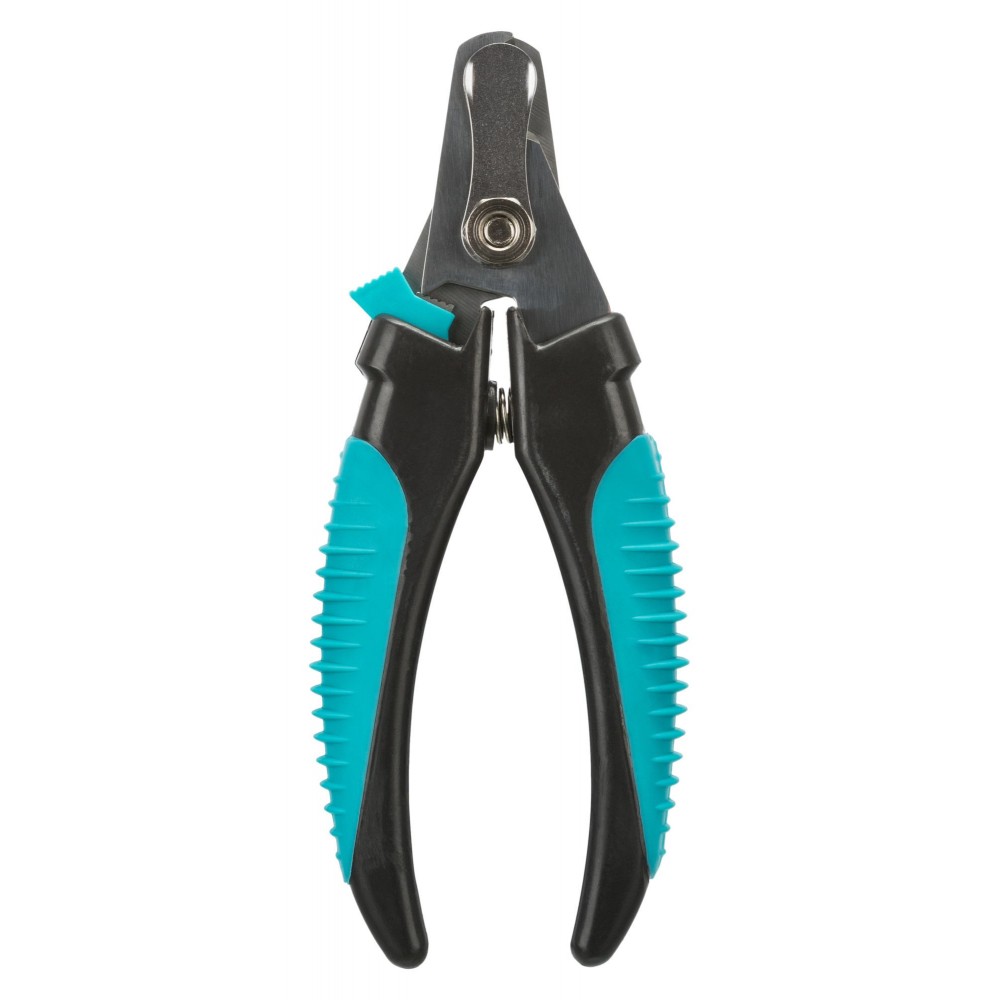
Trixie Luxe — nail clipper for pets, large, 16 cm
Buy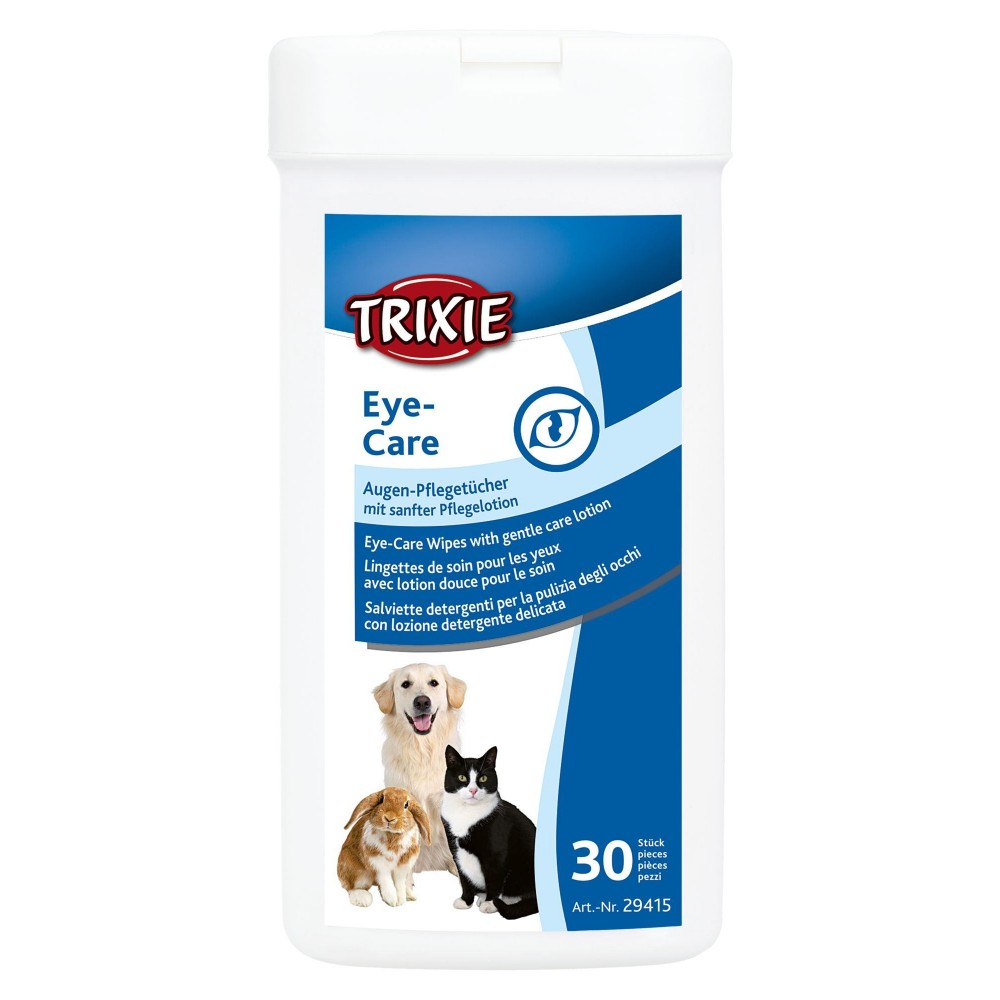
Trixie — eye care wipes for dogs and cats, 30 pcs
Buy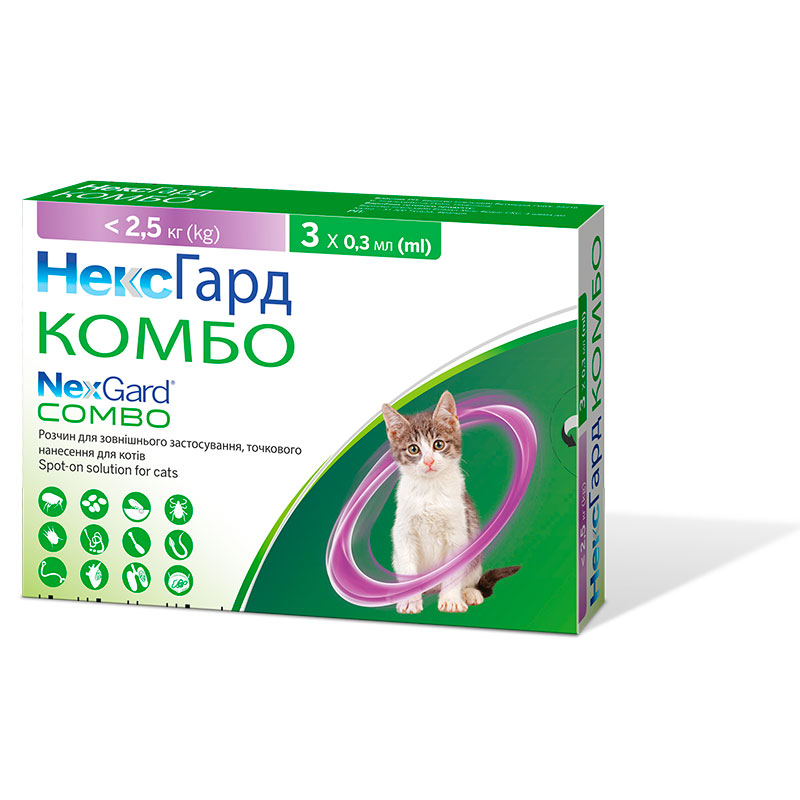
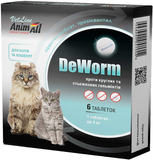
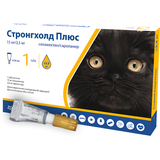
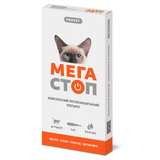
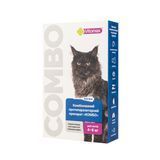
NexGard Combo — antiparasitic drops for topical application against fleas, ticks, and helminths for cats
Buy
Nutrition
An Oriental Longhair cat needs a balanced diet that takes age, activity level and overall health into account. The diet should provide a broad range of nutrients: enough protein, fat, vitamins, minerals and water. Kittens need energy for growth, while active adult cats need a nutritious diet with controlled portions.
In practice, it is most convenient to combine quality dry food with wet rations and ensure the cat drinks enough water. Due to high mobility, an Oriental can burn energy well, but this does not mean you can constantly give treats or "add a bit more" between feedings.
Coat condition, appetite, stool, muscle tone, and activity level quickly show whether the chosen diet suits the cat. If the coat becomes dull, the cat becomes more nervous, loses weight, or conversely gains excess weight, the menu should be reviewed.
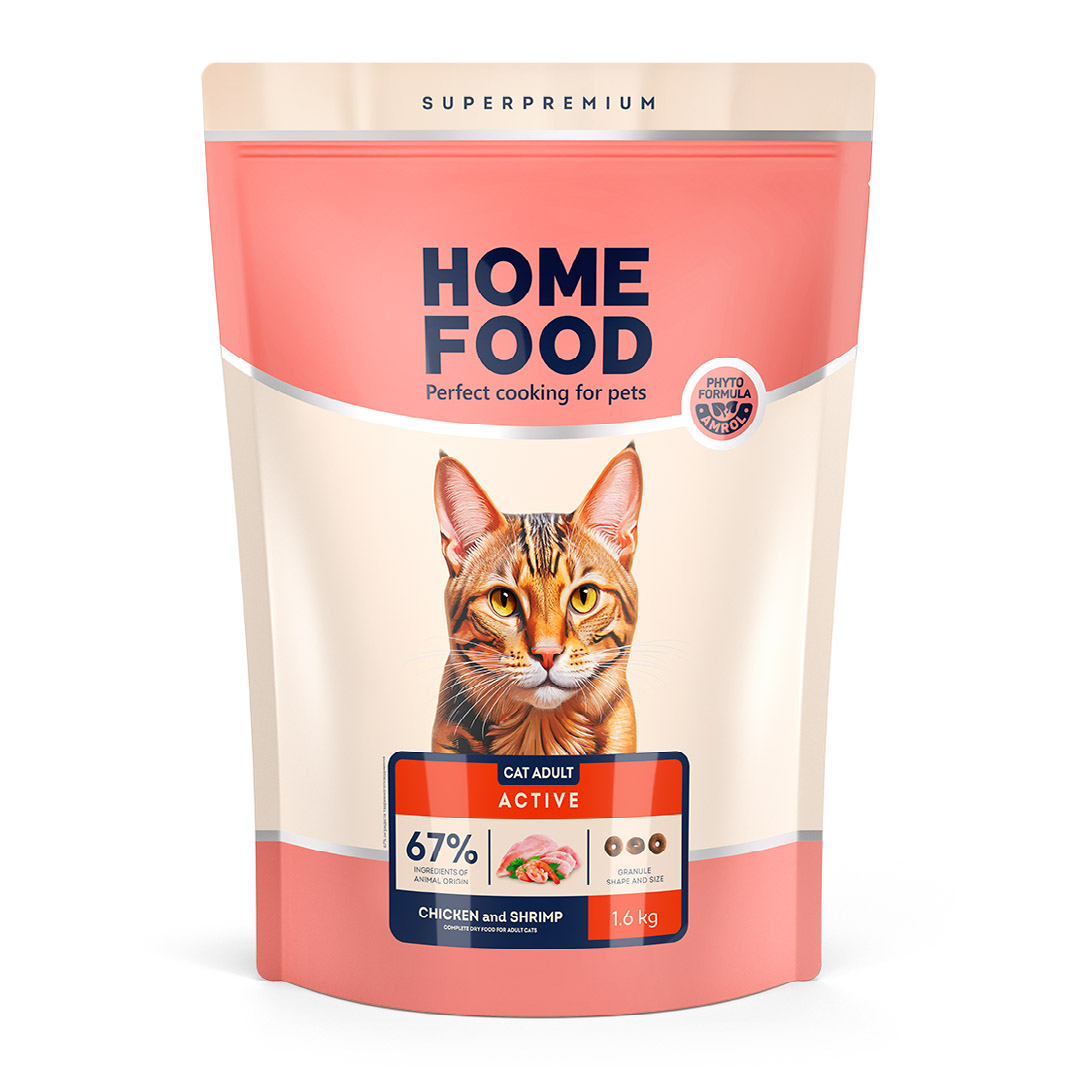
HOME FOOD For active — dry food for active adult cats, chicken and shrimp
Buy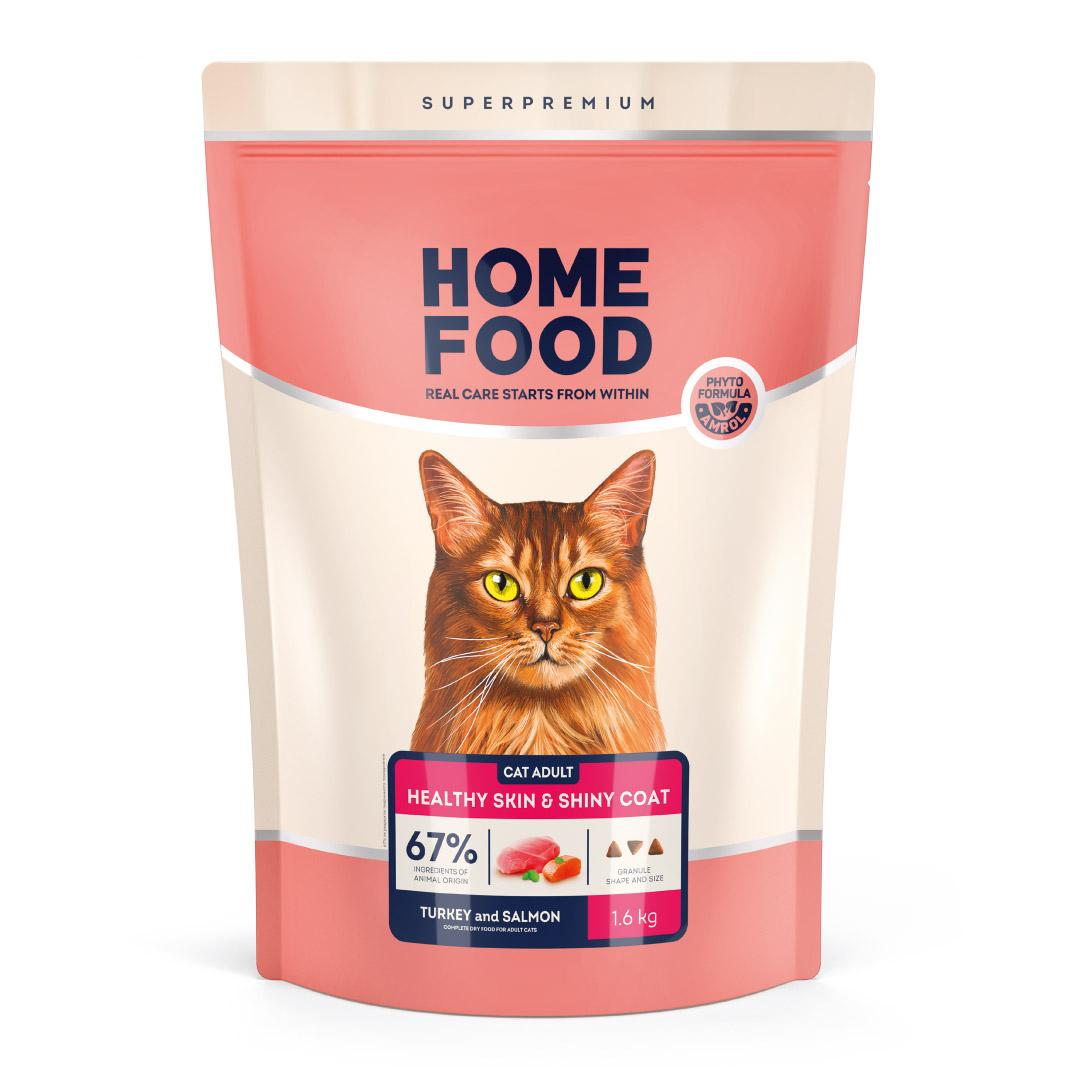
HOME FOOD Healthy skin and shiny coat — dry food for adult cats, turkey and salmon
Buy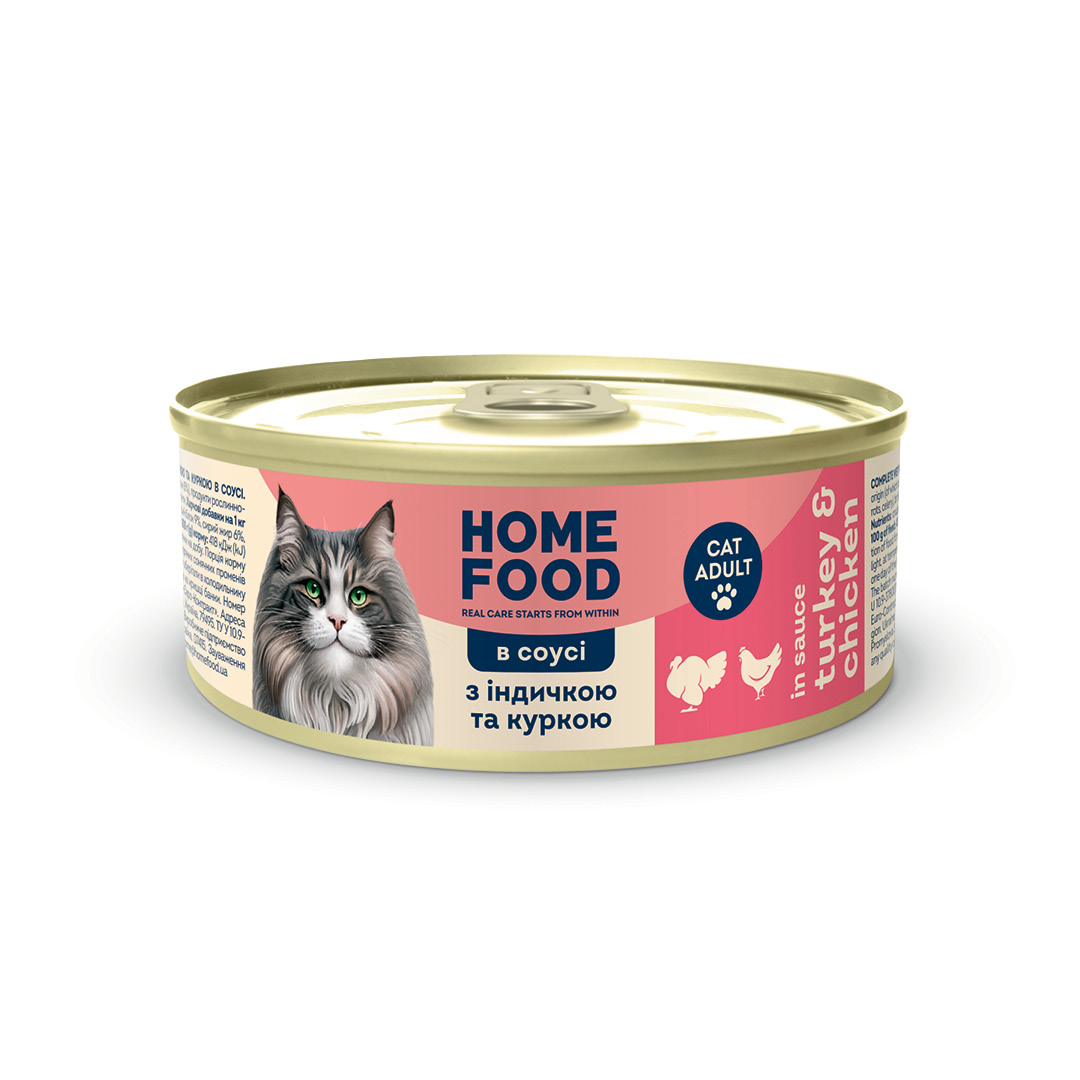
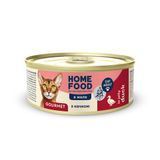
HOME FOOD — complete canned food for adult cats with turkey and chicken in sauce
Buy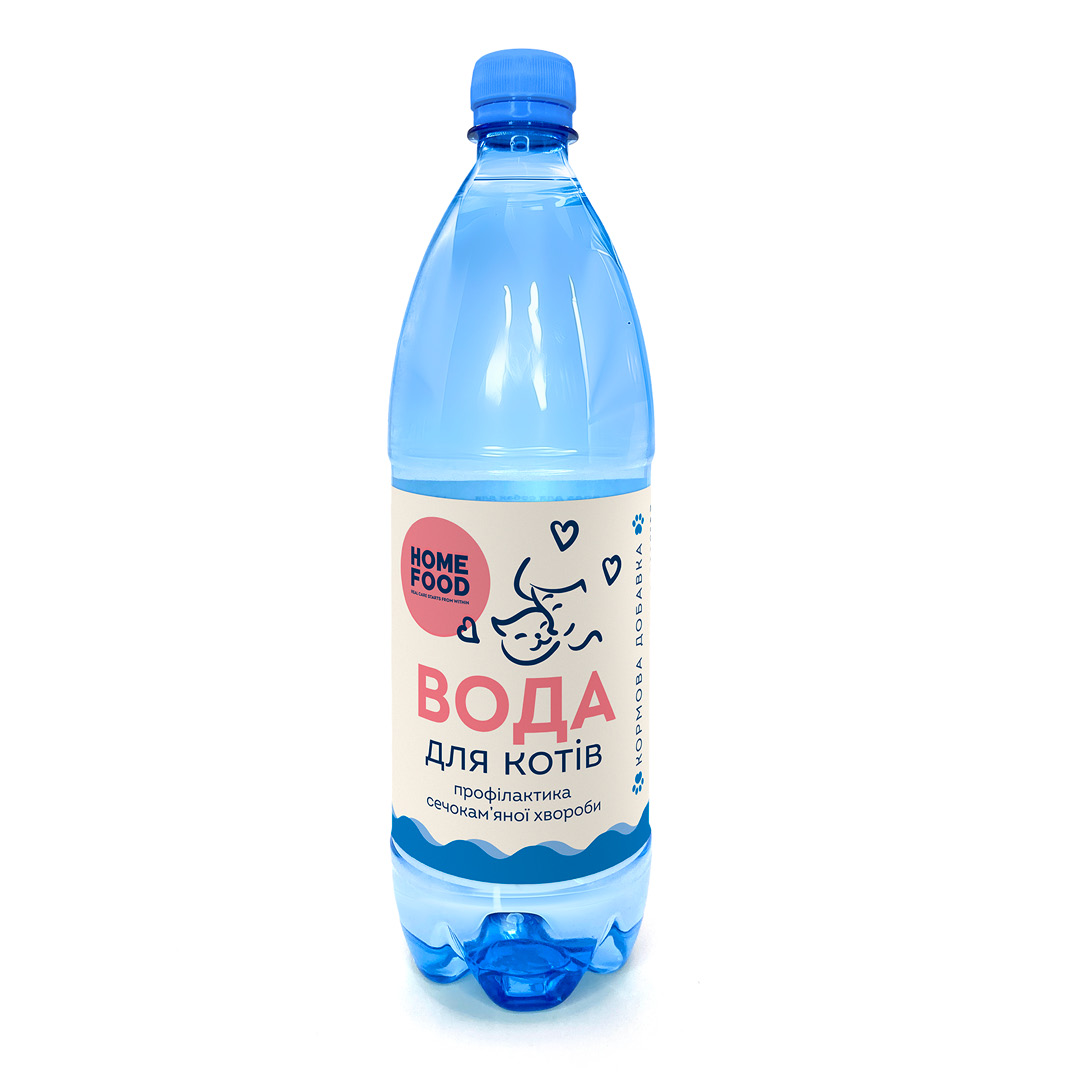
HOME FOOD — drinking water for cats for the prevention of urolithiasis, 1 l
Buy
Pros and cons of the breed
Before choosing an Oriental longhaired cat, it is important to assess not only its striking appearance but also its very pronounced need for contact with humans.
- The advantages include high intelligence, sociability, beautiful Oriental appearance, and strong emotional involvement in family life.
- The breed is well suited for those who want an active, "lively," and talkative companion cat.
- The disadvantages include a dislike of solitude, need for attention, and a tendency to get bored without interaction.
- An Oriental is not well suited for a home where the cat is regularly left alone for long periods and rarely interacted with.
How to choose a healthy kitten
A kitten should be chosen from a breeder who can show documents, explain the lineage origin, tell about the parents' temperament, and does not avoid discussing health. For an Oriental longhaired cat, early socialization, contact with people, and a calm home environment in childhood are especially important.
A kitten should preferably not be taken before three months of age. It should be active, clean, curious, without discharge from eyes or nose, with good coat and healthy appetite. For this breed, it is also important to observe behavior: an excessively withdrawn or constantly frightened kitten may have a harder time adapting to a new home.
Frequently asked questions
- Is the Oriental longhaired cat very talkative: yes, many representatives of the breed actively vocalize and enjoy interacting with their voice.
- Is this coat difficult to care for: no, it is usually easier than in densely undercoated longhaired breeds, but regular brushing is still necessary.
- Can an Oriental be kept alone all day: for this breed, this is not the best scenario, as it is very contact-oriented.
- Is an Oriental suitable for an apartment: yes, if there are games, heights, human attention, and enough daily activity at home.
Conclusion
The Oriental longhaired cat is not just a refined pet with beautiful coat, but a very intelligent, sensitive, and sociable companion. It loves being part of daily life, responds to human emotions, and truly needs closeness.
If you combine quality nutrition, regular grooming, health prevention, and sufficient attention, an Oriental can become a bright, tender, and very devoted family member for many years.